10 Things Boomers Always Kept in the Kitchen Junk Drawer
Every kitchen junk drawer had a personality.
For many Boomer households, it was part mini hardware store, part office-supply closet, and part museum of things nobody was quite ready to throw away. A bread tie could save a snack bag, a pencil stub could become a grocery-list tool, and a mystery key might someday reveal exactly what it belonged to.
“Always” is playful here, because no two junk drawers were exactly alike. But these were the kinds of practical odds and ends that could easily find a permanent home in that famously chaotic kitchen drawer.
Rubber Bands
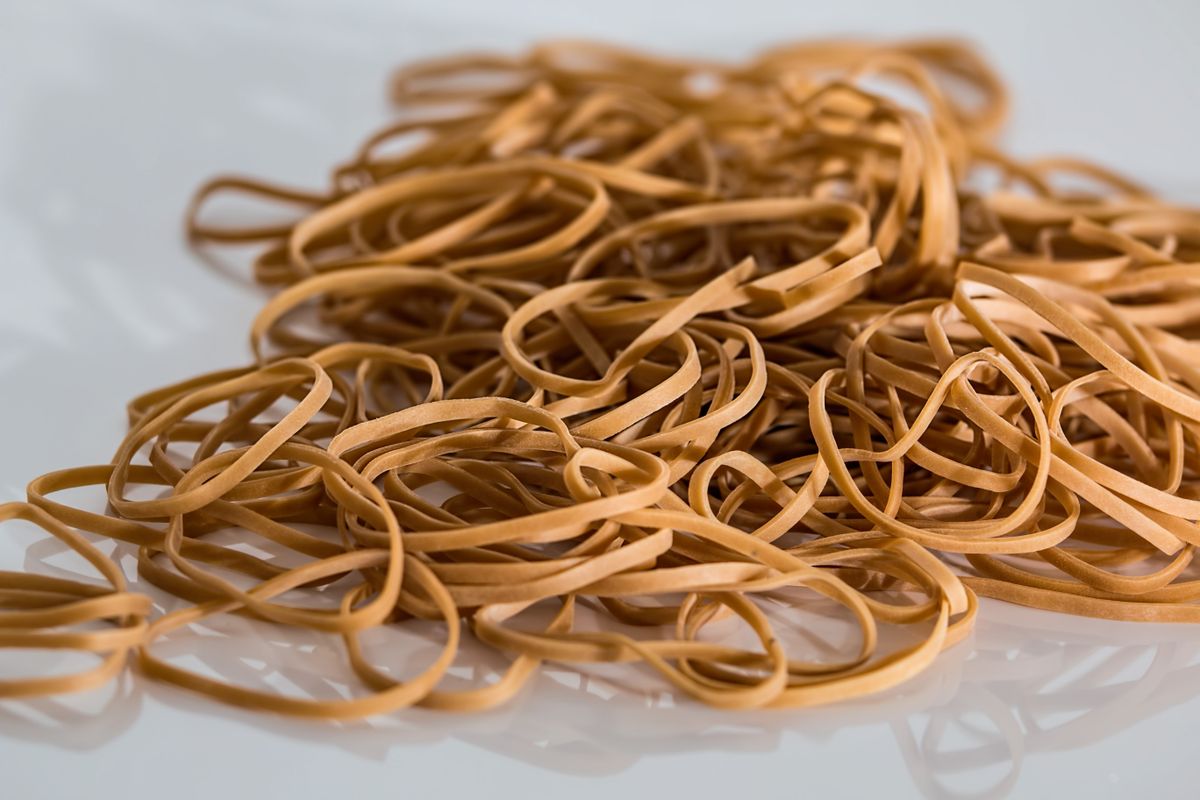
Rubber bands seemed to arrive from everywhere, including newspapers, produce bundles, mail, and office supplies. Eventually, they collected together in a tangled pile that seemed to contain every size except the one you actually needed.
They could bundle papers, close bags, secure cords, or provide a quick temporary fix. And there was always that one ancient rubber band that snapped the instant someone tried to stretch it.
Twist Ties From Bread Bags
Once the bread was gone, the twist tie often stayed. These little pieces of wire could close snack bags, tame cords, or hold together something that needed a temporary fix.
Their real appeal was simple: they were free, tiny, and potentially useful. Throwing one away could feel wasteful when there was still a chance it might solve a problem later.
Related: 9 Outdated Items Boomers Keep That Rarely See Use Today
Spare Keys
The kitchen junk drawer was a natural home for keys nobody wanted to throw away. Some might belong to an old shed, forgotten padlock, former car, or door that nobody could immediately identify.
The mystery was part of the reason they survived. Getting rid of a key felt risky when there was always the possibility that it opened something important.
Matchbooks
Matchbooks from restaurants, hotels, bowling alleys, and local businesses could serve two purposes at once: they were useful around the house and acted as tiny souvenirs.
Their printed logos also made them miniature advertisements from local businesses. Matchbooks became less visible as smoking declined and businesses moved away from branded versions, but they did not disappear completely.
Loose Change
Pennies, nickels, dimes, and quarters had a habit of migrating into the junk drawer after being emptied from pockets. The drawer became an easy place to leave coins until somebody found a reason to use them.
Coins once had obvious everyday jobs involving pay phones, vending machines, laundromats, tolls, and parking meters. Cash and coins still exist, but cards and phone-based payments have changed how often people reach for loose change.
Pencil Stubs and Questionable Pens
There was often a stubby pencil, a dried-out marker, and at least one pen that required several frantic circles on scrap paper before producing anything useful.
The kitchen drawer was a convenient place for writing supplies, especially when grocery lists, reminders, and phone messages were still commonly written down rather than stored on a phone. A small notepad or old memo pad could easily join the collection.
Scissors and Tape
Kitchen-drawer scissors and a roll of tape could handle a surprising number of small household jobs. They were useful for opening packages, wrapping gifts, and making temporary repairs.
This was the junk drawer’s practical workhorse category. The collection did not need to be a full toolbox; it just needed to contain the things someone might suddenly need.
Spare Buttons and Tiny Sewing Supplies
Extra buttons from shirts, jackets and coats could end up in envelopes, plastic packets or old pill bottles alongside a needle and a few colors of thread. Many garments once included spare buttons, making it sensible to save them rather than immediately throw them away.
The habit reflected a repair-first approach to clothing. A missing button could be a small problem to fix rather than an automatic reason to replace the garment.
Takeout Menus and Business Cards
Before restaurant apps and search engines, a paper takeout menu was a handy way to find the phone number for a local pizza place, Chinese takeout counter, or neighborhood deli.
The drawer could also become a low-tech directory for plumbers, electricians, pharmacies, and other local businesses. A stack of old menus and business cards was essentially a household contact list, just without a search bar.
Loose Batteries and a Flashlight
The junk drawer could double as an emergency station, with a small flashlight sitting beside AA, AAA, or button-cell batteries of uncertain power. A dead remote, power outage, or persistent smoke-alarm beep could send someone straight to that drawer.
Modern battery-storage guidance favors keeping batteries in a dedicated organizer or their original packaging rather than loose alongside coins, keys, or other metal objects. So this is one piece of junk-drawer nostalgia that is better remembered than copied.
The classic kitchen junk drawer was never really about having the perfect collection of objects. It was about keeping small things around because someday, somehow, one of them might save the day.