These 5 Classic Steakhouses Defined the Golden Age of Family Dining
There was a time when taking the family out for steak could feel like a genuine occasion without being reserved for a major celebration. A steak, baked potato, and a trip to the salad bar could turn an ordinary evening into something that felt a little more special.
Before casual dining became crowded with interchangeable chains, restaurants such as Steak and Ale, Ponderosa, Bonanza, Western Sizzlin and Quincy’s helped define that experience. They offered families an approachable version of steakhouse dining, often built around abundant sides, familiar meals, and a little extra atmosphere.
Not all of these chains followed the same path. Some became much smaller, some remain active, and one has even returned in limited form. But together, they capture a memorable chapter of American family dining.
Steak and Ale
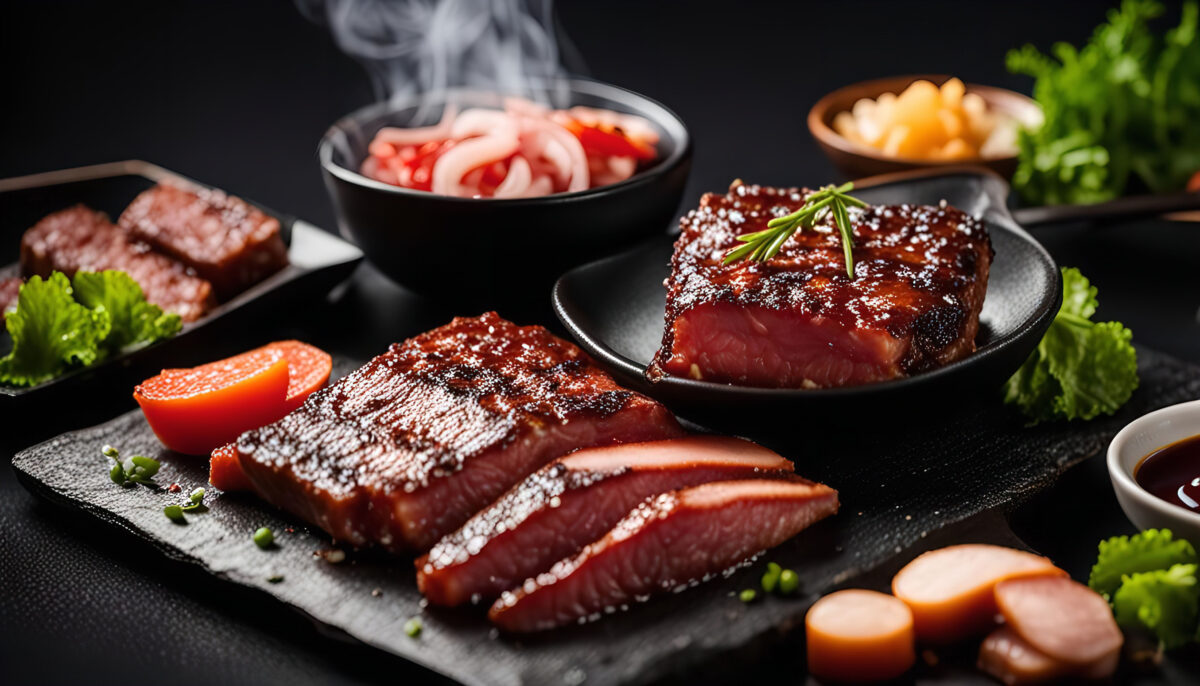
Steak and Ale opened in Dallas in 1966, founded by restaurateur Norman Brinker as an affordable steakhouse concept. The restaurant became known for its dim Tudor-style dining rooms and salad-bar-centered experience, giving families a night out that felt different from an ordinary meal at home.
The original chain eventually closed during its parent company’s 2008 bankruptcy, but the name did not disappear permanently. A limited revival began with a Minnesota franchise opening in 2026, giving this old-school steakhouse brand another chapter.
Related: 6 Dining Etiquette Rules That Barely Anyone Follows Anymore
Ponderosa Steakhouse
Ponderosa began in Kokomo, Indiana, in 1965 and became closely associated with accessible family steakhouse dining. Its combination of steak and buffet or salad-bar offerings helped create the kind of meal where the main course was only part of the experience.
For many diners, the appeal was the abundance: order a steak, then head toward the buffet and come back with a plate already crowded with sides. Ponderosa is still an active brand, although its footprint is dramatically smaller than it once was.
Bonanza Steakhouse
Bonanza was founded in 1963 and developed a similar family-oriented steakhouse formula, while its branding carried a frontier-inspired identity connected to the era’s television culture. Like Ponderosa, it became part of the affordable steakhouse landscape that made eating out feel like a family event.
The two brands eventually became corporate siblings, merging in 1989. They remain part of the FAT Brands portfolio today, although neither has the footprint it once had. The distinction matters because Bonanza and Ponderosa had separate origins and continued under their own names.
Western Sizzlin
Western Sizzlin was founded in Augusta, Georgia, in 1962 by Nick Pascarella and became particularly associated with Southern family dining. The chain identifies its FlameKist steak and proprietary Gold Dust seasoning as signature features.
Its appeal fits neatly into the old family-steakhouse formula: a recognizable steak preparation, familiar sides, and a meal that could feel more substantial than an everyday dinner at home. Western Sizzlin remains an active brand, making it another example of a restaurant name that survived even as its profile became much smaller.
Quincy’s Family Steakhouse
Quincy’s began in Spartanburg, South Carolina, in 1970 and grew into a major Southeastern family-steakhouse chain. At its 1990 peak, it had 212 locations, but only two restaurants remain today.
The restaurant became known for a menu that put steaks alongside a hot bar, fried chicken, macaroni and cheese, and yeast rolls. That combination captures what made the family-steakhouse model so memorable: the steak might have been the reason the adults came, but the abundance of side dishes could be just as memorable for everyone else.
Quincy’s also shows why the nostalgia around these restaurants needs a regional lens. While Ponderosa and Bonanza had wider reach, Quincy’s was strongly tied to the Southeast, as was Western Sizzlin.
What Made These Steakhouses So Memorable?
The common thread was not that every restaurant served exactly the same food or operated in exactly the same way. It was the idea that a steak dinner could be affordable enough for an ordinary family outing while still feeling like an event.
The salad bar and buffet were important parts of that experience. Instead of simply ordering an entrée and waiting for the check, diners could build a meal around several components, making the restaurant feel abundant and family-friendly.
There was also a sense of identity. Steak and Ale leaned into its Tudor-style setting, Bonanza carried its frontier-inspired branding, Western Sizzlin emphasized its FlameKist preparation, and Quincy’s built a strong Southeastern following.
That variety is part of why these names remain recognizable. They were not simply places to buy steak. They represented different versions of what an American family night out could look like.
A Family-Dining Era That Took Different Paths
These five restaurants did not all disappear, and they should not be treated as if they did. Ponderosa, Bonanza and Western Sizzlin remain active brands, Quincy’s still has two locations, and Steak and Ale has returned in limited form.
What changed was their scale and their place in everyday dining culture. The once-familiar family steakhouse model became less dominant, leaving behind restaurants that survive in smaller footprints and memories that remain much larger.
For diners who remember them, the appeal was never just about steak. It was the booth, the buffet, the salad bar, and the feeling that an ordinary family dinner had become a night out worth remembering.