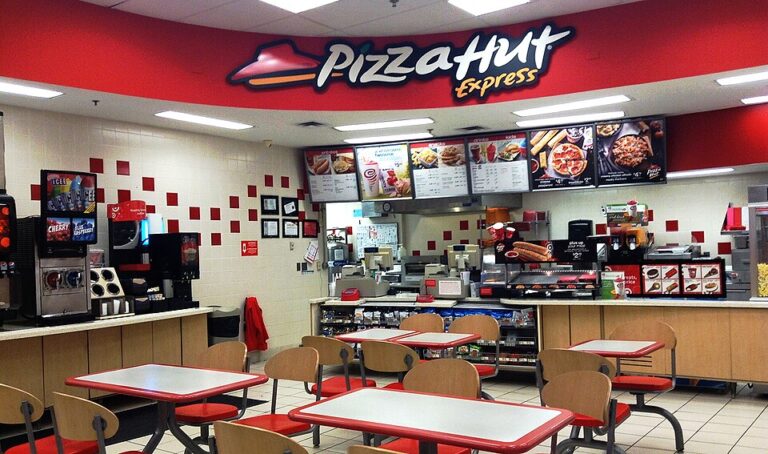
Great Seats, Bad Lunch: 7 Stadium Foods Worth Thinking Twice About
A stadium meal has a tougher assignment than ordinary takeout. It needs to survive the walk back to your seat, fit somewhere beside your drink, and let you watch the game without turning lunch into a second sporting event. Some foods struggle with that setup: overflowing nachos, saucy wings, and oversized burgers can be awkward choices when your lap is the only available table. Others warrant caution for food-safety reasons, especially when raw seafood or improper temperature control is involved.
No credible universal ranking proves these are the seven worst foods at every stadium. This is a practical guide, not an accusation against concession workers or a verdict on an entire menu category. The distinction is context: some choices are inconvenient in a cramped seat; others carry recognized safety considerations. “Food safety risks are high because perishable food often sits out for hours during Super Bowl parties,” University of Missouri Extension specialist Lakshmikantha “Kantha” Channaiah cautioned. His comment concerned parties, but the temperature-control lesson applies to food kept during a long game, too.
The Orders That Can Turn Into a Balancing Act
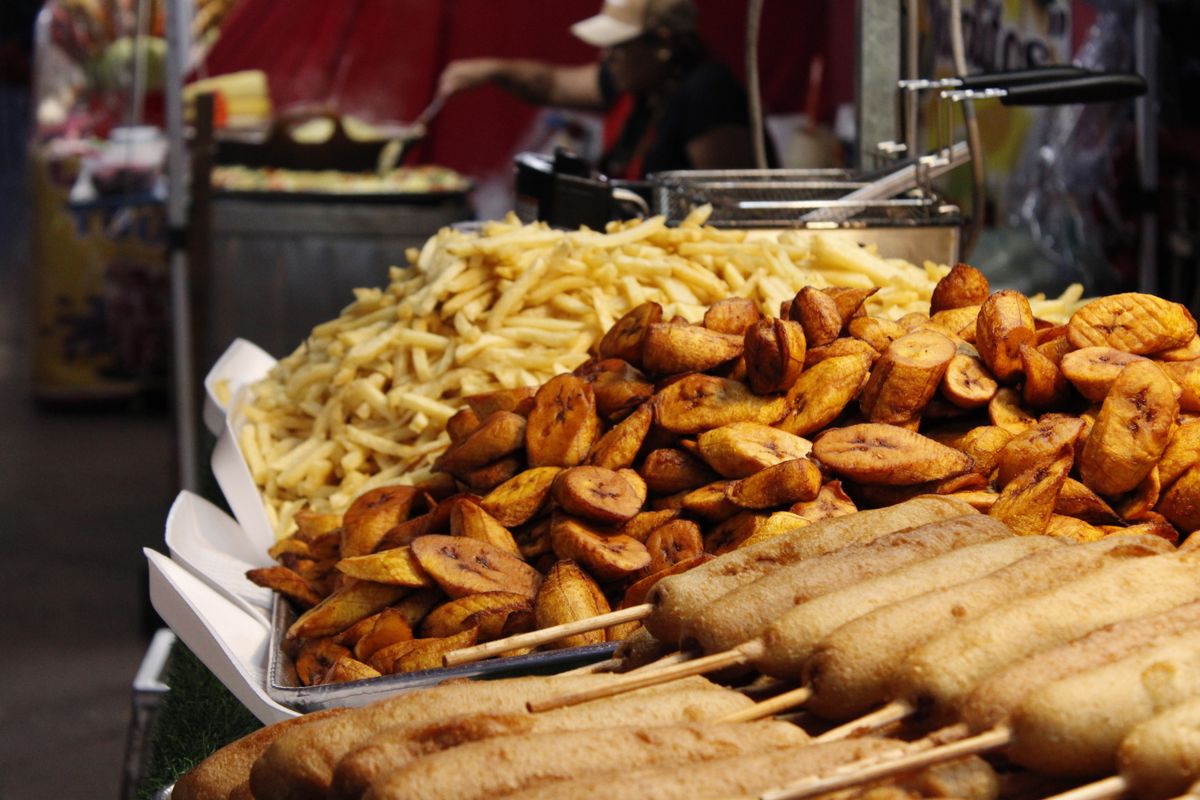
Oversized loaded nachos
Nachos are not automatically a bad order.The problem is the oversized version that asks you to balance chips, cheese, meat, salsa, and multiple containers while people squeeze past. As an editorial practicality judgment, reconsider this when you have no stable eating surface. A smaller portion or a contained format can make more sense. Stadium menus are adapting, too: Capital One Arena’s newly announced offerings include customizable walking nachos, showing that the familiar snack can come in different packages instead of one enormous tray.
Saucy bone-in wings
Wings can be excellent food and an inconvenient seat-side project at the same time. Bones, sauce, napkins, and a drink give you several things to manage before the next play starts. If you love them, eating at a concourse table is a practical alternative to carrying the whole operation into the stands. The safety issue is separate from the mess: USDA guidance says chicken wings should reach 165°F, and perishable food shouldn’t sit unrefrigerated all afternoon. A tidy wing is not necessarily a safely handled one.
Overbuilt novelty burgers
A burger that looks impressive in a promotional photo may be harder to enjoy without a plate and table. Multiple patties, loose toppings, and elaborate extras are reasons to assess the packaging before ordering, not evidence that the burger tastes bad or is unsafe. Stadium-food reporting has highlighted novelty creations whose appeal depends heavily on spectacle. For seat-side eating, a manageable sandwich is often more practical. Save the towering construction for a spot where you can put it down between bites.
Raw Seafood Deserves More Than a Casual Glance
Raw oysters
Raw oysters warrant caution wherever they are served, not uniquely at a ballpark. The FDA explains that oysters filter water and can accumulate bacteria, viruses, or other contaminants. It advises people at increased risk of foodborne illness to avoid raw oysters, even after post-harvest treatment, because that treatment does not eliminate every pathogen. If you want seafood without accepting the added risk of raw food, thoroughly cooked options are the safer route. A premium concession stand does not change that underlying distinction.
Sushi containing raw fish
“Sushi” is not one uniform risk category: a cooked-shrimp roll and raw-fish sashimi should not be treated as identical orders. The FDA says raw or undercooked seafood can carry parasites or bacteria and recommends cooking seafood thoroughly to minimize the risk of foodborne illness. People who are pregnant, older, immunocompromised, or otherwise at increased risk should avoid the raw versions. At a stadium, temperature control also matters. Choose based on the actual ingredients and handling, not simply whether a roll looks fresh in its package.
Historical evidence supports taking concession handling seriously, but it needs a date attached. ESPN’s 2018 investigation examined roughly 16,000 routine inspection reports across 111 professional sports venues and identified problems including improperly held chicken, shrimp, and sushi. Those findings cannot establish conditions at a particular stadium in 2026. They do show why “sold inside a major venue” is not, by itself, a food-safety guarantee. Current local inspection information is more useful than recycling an old ranking as though nothing has changed.
Related: 7 Things Americans Do That No One Else in the World Does
The Real Warning Sign Is How Food Is Held
Burgers served undercooked
This is not a blanket argument against stadium burgers. It is a warning about ground beef that has not been properly cooked. USDA consumer guidance specifies an internal temperature of 160°F for ground meat. A spectator generally cannot verify a patty’s internal temperature at the counter, so an obviously undercooked order is a reason to ask for a replacement rather than assume the kitchen intended it that way. The standard is about safety, not whether the burger has enough cheese, costs too much, or arrived with disappointing fries.
Pizza you plan to keep through the whole game
Pizza becomes a poor choice if you plan to buy several slices early and leave the leftovers beside your seat for hours. USDA lists pizza among game-day foods that shouldn’t sit at room temperature for more than two hours. The CDC shortens that limit to one hour when food is exposed to temperatures above 90°F. This is a time-and-temperature issue, not a claim that stadium pizza is inherently unsafe. Buy what you intend to eat promptly rather than treating the box as an unrefrigerated snack cupboard.
The best stadium order usually suits both the food and the setting. Check the packaging, use a table for complicated meals, and do not carry perishable leftovers through hours of warm weather. Keep safety rules separate from personal preferences: saucy wings may be inconvenient, but raw seafood or improperly cooked meat raises a different concern. You paid to watch the action on the field. Lunch does not need to create its own incident report or require a halftime costume change.