These Oven-Baked Meatballs Let You Step Away From the Stove and Still Deliver a Proper Dinner
Meatballs are a lovely dinner idea until you remember the frying part: standing over hot oil, turning each one, and deciding whether the browned side means the middle is ready. Baking offers a simpler route. Arrange the meatballs on sheet pans, put them in the oven, and let them cook together while you prepare the rest of dinner. Ina Garten’s Roasted Italian Meatballs recipe uses that approach, then finishes with a short simmer in marinara.
The payoff is less hands-on cooking, not a magical dinner with no work or dishes. Garten’s recipe takes about an hour overall, with 20 minutes of active prep, and makes 30 to 32 meatballs for about 10 servings. It is a generous batch, useful for a family meal or planned leftovers. The instructions below follow her published quantities and method, with USDA food-thermometer guidance added rather than relying on appearance alone.
Build Flavor Before the Oven Gets Involved
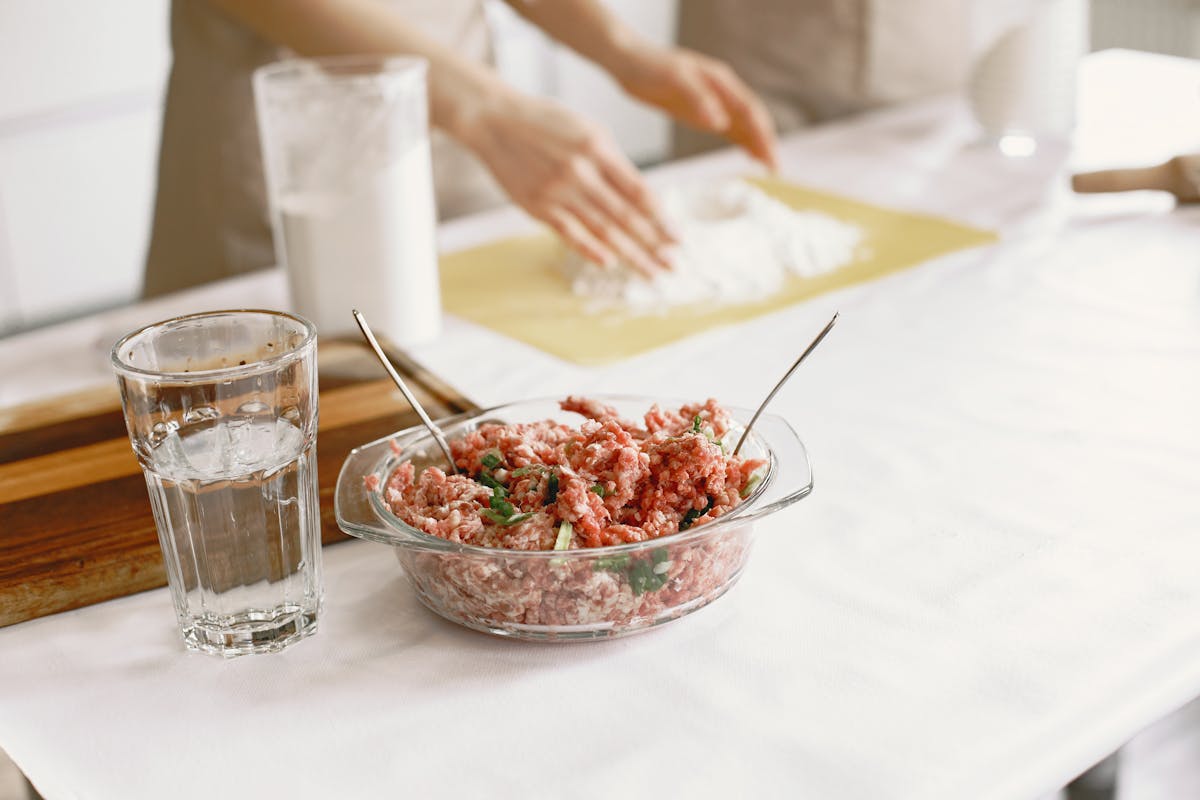
For the meat mixture, you will need 1 pound ground sirloin, ½ pound ground pork, and ½ pound ground veal. Garten also uses 1¾ cups dry seasoned breadcrumbs, ½ cup each of grated Pecorino and Parmesan, 2 minced garlic cloves, and 2 tablespoons chopped parsley. Add 2 teaspoons of kosher salt and ½ teaspoon of black pepper. This combination seasons the meatballs before they meet the sauce, rather than asking the marinara to do all the flavor work afterward.
The remaining ingredients are two lightly beaten extra-large eggs, ¾ cup dry red wine, and ¾ cup water. You will also need ¼ cup olive oil to brush the shaped meatballs and two 32-ounce jars of marinara to finish them. This is Garten’s wine-containing recipe, not a tested alcohol-free variation, so choose a different complete recipe if wine does not suit your household. Extra Parmesan is optional for serving, but hardly unwelcome at a meatball dinner.
Moisture matters because a meatball is not simply ground meat rolled into a ball. In his Italian-American meatball recipe, Serious Eats culinary writer Daniel Gritzer uses buttermilk-soaked bread, a mixture called a panade,to help keep the result tender and moist. Garten’s recipe takes a different route, combining dry breadcrumbs with eggs, wine, and water. Both are deliberate formulations. Follow one complete recipe rather than borrowing the dry ingredients from one and the liquid quantities from another.
Handling matters, too. Garten’s written instruction is to “combine lightly but thoroughly,” then roll each portion lightly into a ball. That is recipe guidance, not a quotation from a separate interview, but it captures the balance well: distribute the seasonings without treating the mixture like dough that needs kneading. No one rewards the most aggressively compressed meatball in the neighborhood. You want consistent portions that hold together, not something suitable for a small construction project.
Related:The Boomer Food Traditions That Still Bring People to the Table
Shape, Brush, and Let the Oven Work
Heat the oven to 400°F and line two sheet pans with parchment paper. Place the ground meats in a large bowl and lightly break them up with a fork and your fingertips. Add the breadcrumbs, cheeses, garlic, parsley, salt, and pepper, then incorporate the eggs, wine, and water. Have the prepared pans nearby before you start shaping. That small organizational step keeps you from trying to unroll parchment with hands already covered in meatball mixture.
Gently portion the mixture into approximately 2-ounce meatballs, using a rounded 1¾-inch ice-cream scoop as a guide. Roll them lightly, place them about an inch apart on the pans, and brush with olive oil. Even portions make it easier to monitor the batch, although the thermometer remains the final check. Keep the recommended spacing rather than crowding everything onto one pan simply to save a dish. The recipe is designed around two pans and room between the meatballs.
Bake for about 25 to 30 minutes, until lightly browned, using Garten’s timing as a guide rather than a guarantee. The USDA specifies 160°F for ground beef, pork, and veal, measured with a food thermometer. Check the center of several meatballs, including larger ones, and continue cooking if necessary. Color isn’t a reliable indicator: cooked ground beef can look misleadingly colored, so a browned exterior doesn’t mean the middle has reached a safe temperature.
While the meatballs bake, bring the marinara to a simmer in a large pot. Carefully add the baked meatballs and simmer for about 10 minutes, until heated through. This is the final stovetop step, but it doesn’t require frying or repeatedly turning individual meatballs. The oven handles the batch cooking; the sauce provides the finish. That makes the method particularly appealing when you would rather use your attention for pasta, a salad, or simply clearing the kitchen counter.
Make It a Meal, and Handle the Extras Properly
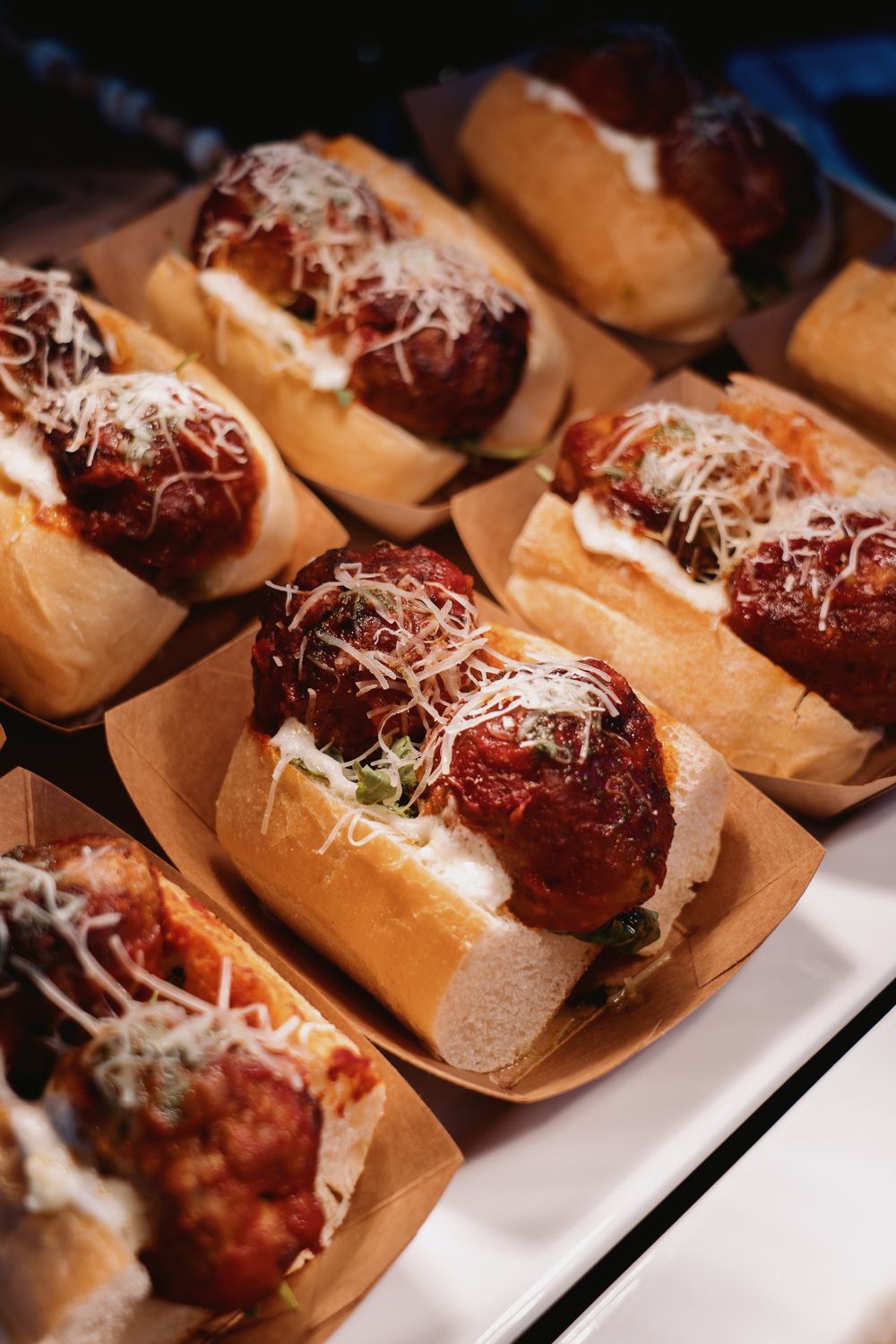
Garten suggests serving the meatballs with spaghetti or creamy Parmesan polenta. Pasta is the straightforward option: portion it into shallow bowls, spoon over the meatballs and sauce, and finish with Parmesan. Polenta offers a softer base that catches the marinara. Either way, remember that cooking the accompaniment takes time and equipment. This is a less hands-on meatball method, not a claim that every version of the complete dinner comes together on a single tray.
Because this recipe makes a substantial batch, plan what to do with the extras before leaving them on the counter overnight. USDA guidance says perishable foods should be refrigerated within two hours, or within one hour when the surrounding temperature exceeds 90°F. Divide leftovers into shallow containers to cool faster, then reheat them to 165°F. A big batch is useful only when the portions you save are handled as carefully as the ones you serve immediately.
The real advantage is not having to stand at the stove. You still mix, shape, check, and sauce the meatballs, but the oven takes over the stretch that usually keeps you stationed at the stove. With properly measured ingredients, gentle handling, and a thermometer check, you can make a generous dinner without individually babysitting every piece. The meatballs get their turn in the oven, and you get a chance to do something besides watch them.