7 Fast-Food Favorites Customers Swear Got Smaller, and What the Chains Say
There is a very specific kind of fast-food disappointment: opening the wrapper, looking down at your meal, and thinking, Wasn’t this bigger before?
American diners have become especially sensitive to portion sizes as restaurant prices continue climbing. In a 2026 McKinsey survey, 55% of consumers who felt restaurant meals weren’t worth the money cited portion size as a disappointment, second only to food quality.
That helps explain why apparent fast-food shrinkage can spark such intense reactions online. But customer perception and an official recipe change are not always the same thing.
Here are seven favorites diners insist do not look quite like they used to, along with what we actually know.
McDonald’s Big Mac
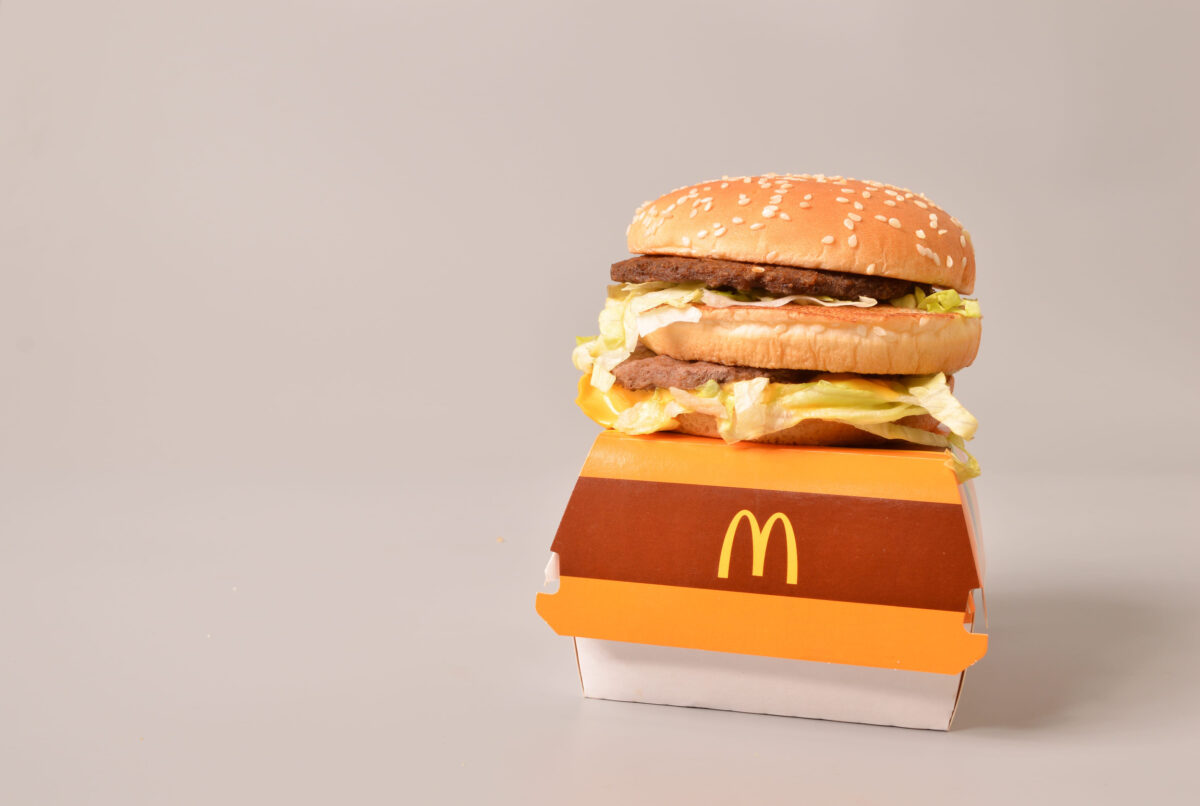
The Big Mac may be one of America’s most recognizable burgers, which also means longtime customers know exactly what they expect it to look like.
Recent diners have complained online that the patties seem unusually thin and that the entire burger feels smaller than it once did. Similar complaints about McDonald’s Chicken McNuggets have appeared as well.
McDonald’s has not announced a recent downsizing of the Big Mac.
Its current U.S. description still lists the familiar setup: two 100% beef patties, Big Mac sauce, cheese, pickles, lettuce, and onions on a sesame-seed bun.
McDonald’s has changed how its classic burgers are prepared over the years, including adjustments to buns, grilling, onions, and sauce. But the company has presented those changes as quality improvements rather than reductions in portion size.
For now, the “smaller Big Mac” remains largely a customer perception rather than a confirmed corporate downsizing.
Chipotle Burritos and Bowls
Few portion-size controversies have become as public as Chipotle’s.
In 2024, customers flooded TikTok, Reddit, and other platforms with complaints that burritos and bowls were being served with smaller scoops. The backlash became so intense that customers began filming employees while their orders were made.
Chipotle repeatedly denied intentionally shrinking anything.
Then-CEO Brian Niccol said there had never been a company directive to give customers less food. He acknowledged, however, that roughly 10% of restaurants were receiving feedback suggesting portions were inconsistent, and the company began emphasizing generous serving standards across stores.
Later in 2024, interim CEO Scott Boatwright said the company was using more ingredients as it worked toward more consistent portions.
So customers weren’t necessarily imagining smaller bowls. Chipotle’s position was that the problem was inconsistency, not shrinkflation.
Relatable: 8 Cheap Fast-Food Meals That Could Be Costing You More Than You Think
Chick-fil-A Chicken Sandwich
This one gets complicated because chicken breasts are not perfectly uniform.
Customers have shared side-by-side photos and complained that Chick-fil-A’s famous sandwich sometimes arrives with a filet dramatically smaller than the bun.
One 2026 report found examples of individual filets weighing anywhere from 58 grams to 138 grams, although that informal sampling does not prove the average sandwich has shrunk over time.
Because Chick-fil-A uses whole chicken breast rather than identical manufactured patties, natural variation is unavoidable.
Employees quoted in that report also said the chain’s filet-size standards had not changed in recent years.
In other words, the surprisingly tiny Chick-fil-A sandwich some customers receive may be real. The evidence that Chick-fil-A officially reduced the standard portion is much weaker.
Arby’s Fries
Here, the allegation goes beyond social-media grumbling.
A class-action lawsuit filed in New York accuses Arby’s of reducing its french fry and beverage sizes while keeping prices at similar levels. The complaint alleges that previous size categories were effectively shifted downward, with an older kids’ fry portion becoming the new small and larger sizes following the same pattern.
Customers had complained about smaller fry cartons before the lawsuit, including claims that what had once looked like a medium portion was being sold as a large.
Important distinction: those remain allegations, not a court finding that Arby’s broke the law.
Arby’s had not publicly confirmed the alleged downsizing in the reporting surrounding the case.
Still, among the items on this list, this is one of the clearest examples where claims of shrinkage have moved beyond Reddit and into an actual legal dispute.
Subway’s Footlong
No fast-food size argument has involved more rulers.
The controversy exploded in 2013 after a photo appeared to show a Subway Footlong measuring only about 11 inches. Lawsuits followed in the United States, alleging that some sandwiches were shorter than advertised.
Subway initially explained that bread length could vary during baking. It later said it would strengthen procedures to make sure Footlong sandwiches consistently reached the advertised length.
The dispute eventually lost much of its legal force because the sandwiches were made from standardized dough portions, meaning a shorter loaf did not necessarily contain less bread or fewer ingredients.
So, yes, customers genuinely received some undersized-looking Footlongs.
Whether that meant they were actually receiving less food was another question entirely.
Popeyes Chicken Sandwich
When Popeyes launched its chicken sandwich in 2019, one of its calling cards was the enormous-looking piece of fried chicken spilling past the bun.
Some customers now insist that experience is harder to find.
Recent reviews include complaints that the chicken filet and even the bun feel smaller than they did during the sandwich’s early years. One May 2026 customer review complained that the chicken once extended beyond the bun but now looked dramatically reduced.
There is an important limitation here: Popeyes has not publicly announced a nationwide reduction to the sandwich’s filet size.
Chicken pieces naturally vary, and restaurant execution can vary from location to location.
That means there is plenty of anecdotal evidence, but not enough to say Popeyes officially shrank the sandwich everywhere.
Wendy’s Burgers
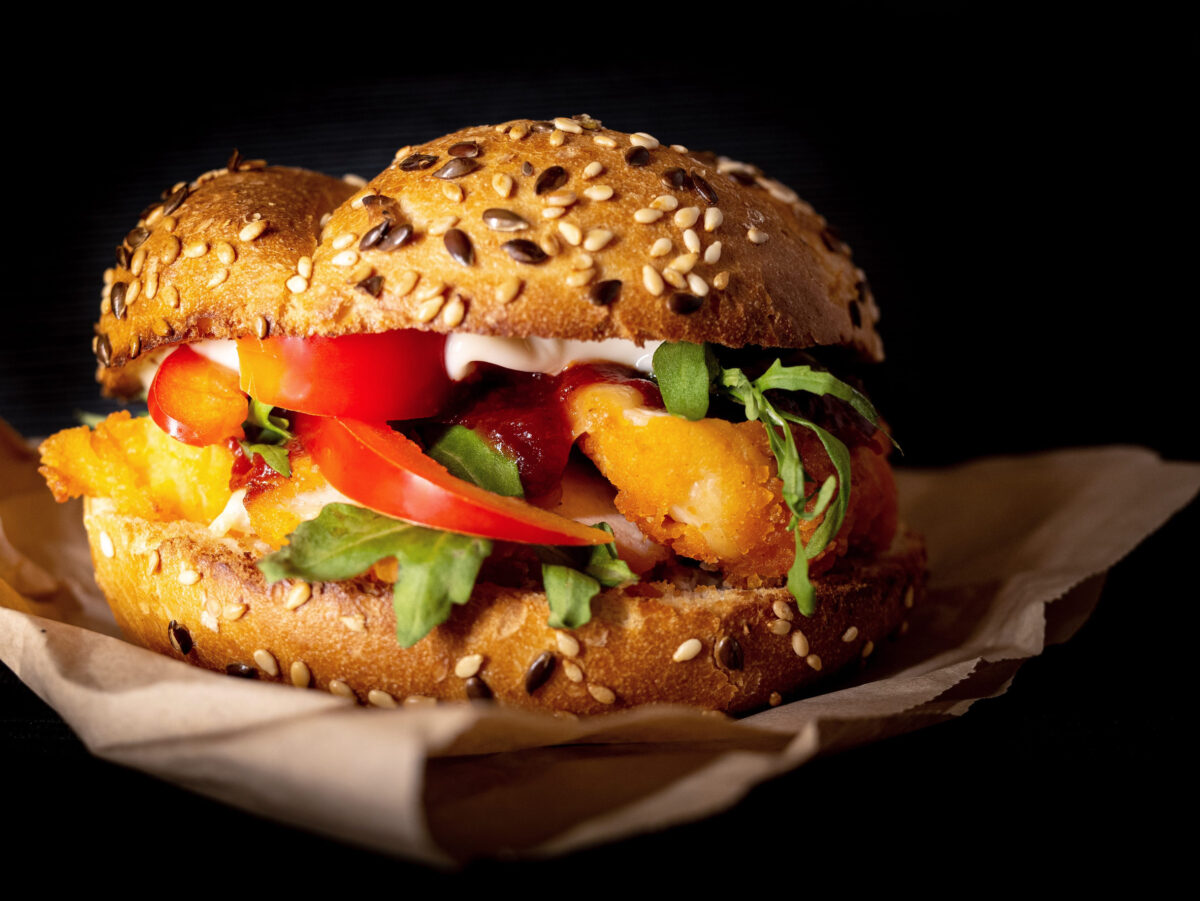
Wendy’s has faced the same “what happened to my burger?” conversation.
In 2026, customers on Reddit complained that familiar Wendy’s burgers seemed narrower or flatter than they remembered, with some describing patties as noticeably smaller.
But Wendy’s continues to market its major fresh-beef burgers using standardized pre-cooked beef weights. A Dave’s Single, for example, has traditionally been built around a quarter-pound beef patty before cooking.
That distinction matters because cooked beef can look considerably smaller after moisture and fat are lost on the grill.
There is currently little solid evidence that Wendy’s secretly changed the standard patty weight across the chain.
In this case, appearance, cooking, bun proportions, and individual restaurant execution may be doing more to fuel the perception than an official size cut.
Why People Notice Every Missing Bite
The uproar over smaller-looking fast food is really about more than an inch of bread or an extra scoop of rice.
It’s about value.
McKinsey found that small portions are now one of the biggest reasons American consumers leave a restaurant feeling they did not get their money’s worth. Meanwhile, the National Restaurant Association reported in September 2026 that 40% of consumers were using more discounts and value promotions than usual, up from 35% just one quarter earlier.
That creates a simple equation in customers’ minds: if prices rise while the food looks smaller, people notice immediately.
Some complaints have turned out to involve real inconsistencies or documented changes. Others are much harder to prove. But as fast-food chains fight harder for increasingly value-conscious diners, one thing is clear:
Customers are watching the size of the burger just as closely as the number on the receipt.