The French-Inspired Bread Swap That Could Make Your Philly Cheesesteak Even Better
The Philly cheesesteak is one of America’s most recognizable sandwiches, known for its tender beef, melted cheese, and satisfying bread. However, a simple French-inspired twist could give this Philadelphia favorite an entirely different texture and flavor. Instead of the traditional sandwich roll, home cooks can serve their cheesesteak fillings in a buttery, flaky croissant.
This creative combination pairs familiar American sandwich ingredients with a pastry commonly associated with French baking. The croissant’s delicate layers offer a different experience from the sturdy rolls traditionally used for cheesesteaks. It is an interesting option for anyone who enjoys experimenting with classic recipes without completely changing their essential ingredients.
Why the Traditional Philly Cheesesteak Remains So Popular
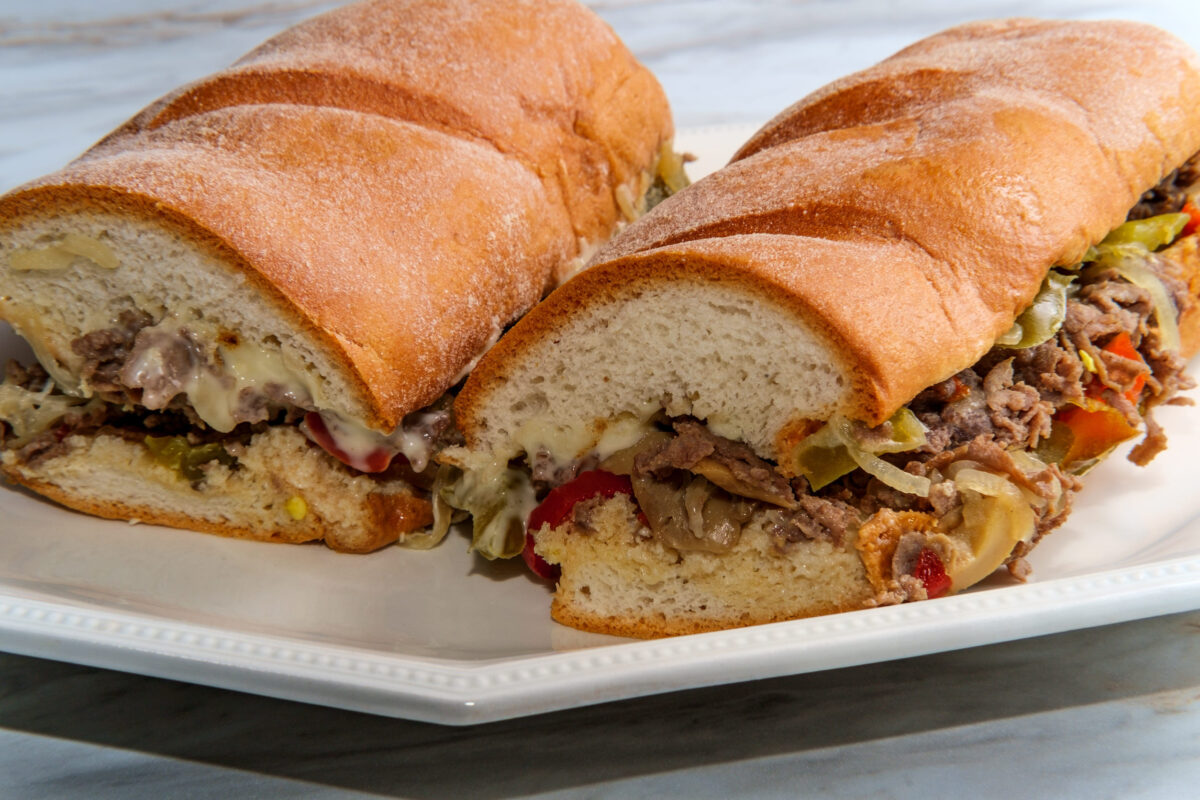
The cheesesteak has a long history in Philadelphia and has become an important part of the city’s food culture. The traditional sandwich contains thinly sliced or chopped beef, melted cheese, and optional sautéed onions inside a long roll. Its appeal comes from the combination of savory meat, creamy cheese, and bread that holds everything together.
The sandwich’s history dates back to 1930, when South Philadelphia hot dog vendor Pat Olivieri reportedly prepared a steak sandwich that caught the attention of a passing taxi driver. The original steak sandwich eventually developed into the cheesesteak that Americans recognize today. Different versions have emerged over the years, but beef, cheese, and bread remain essential.
Cheese selection is another important part of the traditional sandwich. Provolone, American cheese, and Cheez Whiz are widely recognized options, although preferences vary among cheesesteak fans. Some versions also include cooked mushrooms or peppers, giving customers additional ways to personalize their orders.
Why a Croissant Makes an Interesting Alternative
The biggest difference between a traditional cheesesteak roll and a croissant is their texture. A cheesesteak roll typically has a relatively firm exterior and a softer interior, which helps contain the meat and cheese. A croissant, meanwhile, has delicate layers that create a crisp, flaky exterior and a light interior.
Croissants get their distinctive texture through a baking process called lamination. Bakers repeatedly fold butter into dough, creating separate layers that expand during baking. This process produces the flaky structure and buttery flavor that make croissants recognizable.
Replacing the roll with a croissant changes how each ingredient contributes to the sandwich. The pastry adds buttery richness, the steak provides a savory contrast, and the melted cheese ties the filling together. Although the result differs from a traditional Philadelphia cheesesteak, it offers an appealing variation for home cooks who enjoy combining familiar foods.
Store-Bought Croissants Make the Swap Easier
Making croissants from scratch takes several steps, including folding, resting, shaping, and baking. Fortunately, this sandwich variation doesn’t require homemade pastry. Ready-made croissants let home cooks focus on the steak, onions, and cheese.
Grocery store croissants offer a convenient starting point, especially for a quick lunch or casual dinner. Larger croissants offer more room for filling, while smaller ones work well for individual, snack-sized sandwiches. The best choice depends on how much steak and what other ingredients you’re adding.
Fresh croissants from a local bakery are another option worth considering. Their texture and flavor vary with the recipe, preparation, and freshness, so no bakery version is guaranteed to outperform a grocery store alternative. Choosing a croissant sturdy enough to support the filling is especially useful for this type of sandwich.
Lightly Toasting the Croissant Adds Another Layer of Texture
A croissant can be used as purchased, but lightly warming it offers another opportunity to customize the sandwich. One option is to brush the exterior with melted butter, then briefly toast the pastry in the oven. This approach adds more buttery richness while creating a warm exterior around the filling.
Because croissants already contain butter, an additional coating is optional, not essential. Home cooks who prefer a less buttery sandwich can warm the pastry without adding anything to its surface. The goal is to preserve the croissant’s delicate structure while preparing it to hold the hot steak and cheese.
Careful handling is also important during assembly. Unlike a substantial sandwich roll, a croissant may break if you press too hard or overload it with ingredients. Cut gently and distribute the filling evenly to make the finished sandwich easier to serve and eat.
Related: 10-delicious-cheese-types-perfect-for-boards-and-cooking/
French-Inspired Sauces Can Change the Flavor
Bread isn’t the only ingredient that can get a French-inspired makeover. Garlic aioli, béchamel, and hollandaise sauce are possible additions to the sandwich. Each adds a different flavor or texture that complements the familiar steak filling.
Garlic aioli is an option for cooks who want a spread rather than a poured sauce. It can be applied to the cut sides of the croissant before the steak and onions are added. Its garlic flavor adds another savory element without changing the main ingredients.
Béchamel and hollandaise offer two different approaches to a creamy topping. Béchamel is a milk-based sauce thickened with a butter-and-flour roux, while hollandaise is traditionally made by emulsifying butter with egg yolks and an acidic ingredient. Neither is a traditional cheesesteak topping, but either can be considered an experimental addition to the usual melted cheese.
Caramelized Onions Bring a French Onion Soup Influence
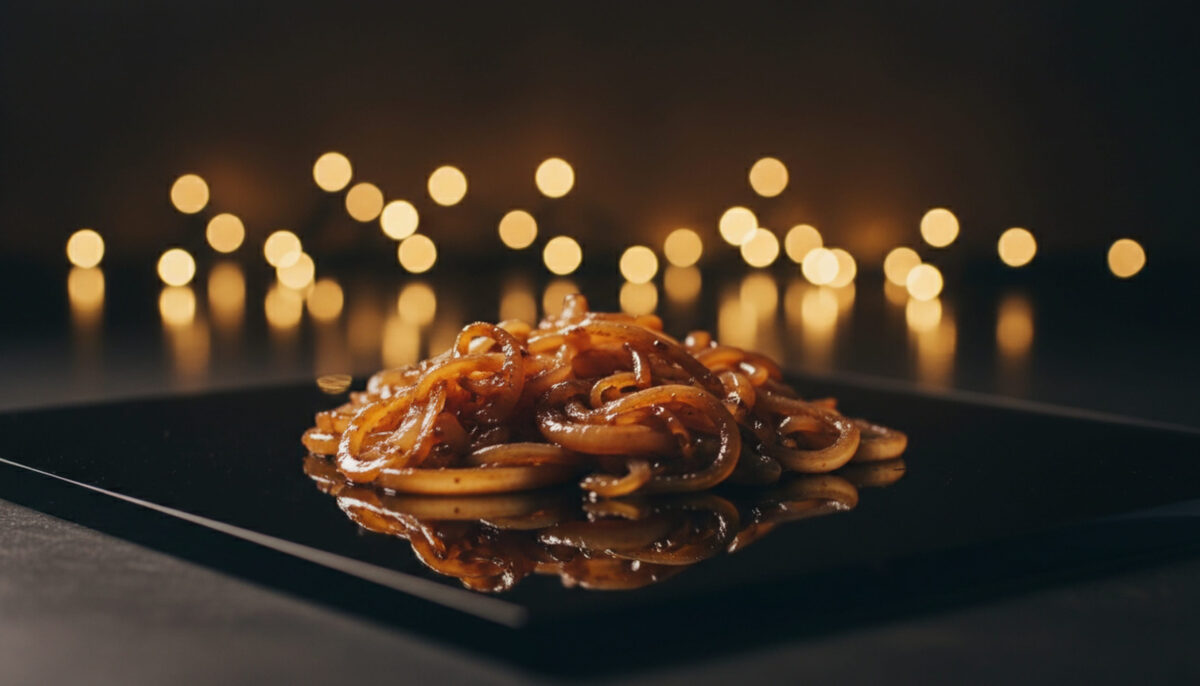
Onions are already closely connected to Philadelphia cheesesteaks, making them a natural ingredient to modify. Traditional versions often feature onions cooked on a griddle alongside the beef. However, taking additional time to caramelize them creates a different flavor profile.
Slowly cooking onions until golden brown develops their sweetness and deepens their flavor. This approach recalls the deeply cooked onions commonly associated with French onion soup. Paired with savory steak and buttery pastry, the onions can add sweetness without introducing an entirely unfamiliar ingredient.
The process generally requires more patience than quickly sautéing onions for a standard cheesesteak. Cooking them gradually lets their color and flavor develop, though the final result depends on the heat and preparation method. Home cooks can decide how deeply to brown the onions based on their preferred taste.
How to Put Together a French-Inspired Cheesesteak
Start with the same basic ingredients as a conventional cheesesteak. Thinly sliced beef, onions, and your preferred cheese make up the main filling, while a croissant replaces the long roll. Optional additions such as cooked peppers, garlic aioli, or caramelized onions can be included according to personal preference.
Start by cooking the onions and beef using an appropriate method, following safe meat-handling and cooking practices. Whole-cut beef steaks should reach a minimum internal temperature of 145 degrees Fahrenheit and rest for three minutes, according to USDA guidance, while ground beef requires 160 degrees Fahrenheit. Once the filling is cooked through, add the cheese and let it melt before transferring everything to the croissant.
Gently slice the croissant open and lightly warm it before assembly. Add the beef, cheese, and onions, followed by any desired sauce or additional toppings. Serving the sandwich shortly after assembly helps preserve the contrast between the warm filling and flaky pastry.
A Different Way to Enjoy an American Favorite
A croissant cheesesteak is a creative variation, not a replacement, for Philadelphia’s traditional sandwich. The familiar combination of beef, cheese, and onions remains central, but the pastry changes the experience through its layered texture and buttery taste. Additional touches, including aioli and caramelized onions, can make the French-inspired influence more noticeable.
For home cooks, the appeal lies in how easily the idea can be adapted to ingredients they already enjoy. There is no need to master croissant baking or abandon the classic cheesesteak filling to experiment with the combination. Sometimes, changing the bread is enough to give a familiar sandwich a completely different character.
Other articles you may like:
– the-7-best-breakfast-foods-you-need-to-try-in-2026/
– fast-food-meals-you-should-avoid-at-all-cost/
– 8-cheap-fast-food-meals-that-could-be-costing-you-more-than-you-think/