Your Canned Tuna Is Missing These 3 Simple Flavor Boosters
Your next can of tuna might need just three simple ingredients to taste completely different. Lemon juice, Dijon mustard, and capers are the flavor boosters featured in a tuna melt recipe Simply Recipes published on September 10, 2026. The recipe turns a single can of tuna into two open-faced sandwiches in just 15 minutes.
Canned tuna remains part of America’s wider seafood market. According to the National Oceanic and Atmospheric Administration (NOAA), Americans consumed an average of 19.1 pounds of seafood per person in 2023, across all seafood categories. And with chefs and recipe developers continuing to share creative canned tuna dishes, there are plenty of ways to make an ordinary lunch more interesting.
Why Your Canned Tuna Could Use a Flavor Upgrade
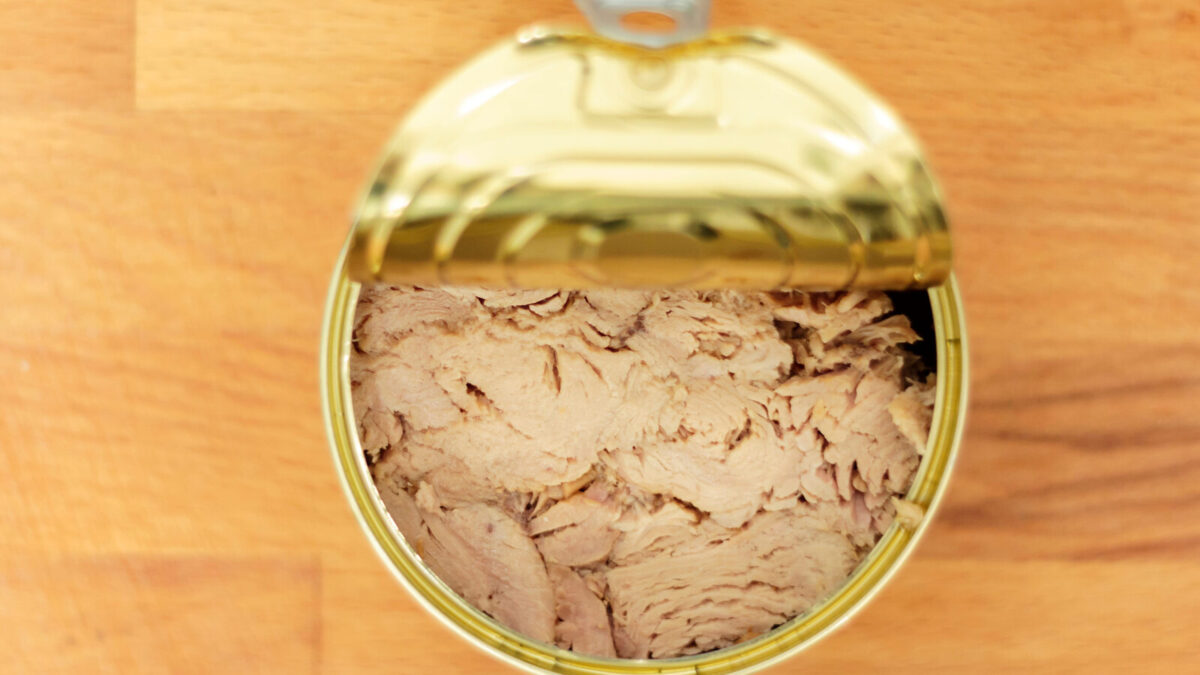
Canned tuna works in sandwiches, salads, pasta dishes, and tuna melts. But when you make the same tuna salad repeatedly, even a familiar favorite can start to feel a little predictable. The good news? You don’t have to replace your usual recipe.
The secret is understanding how different ingredients contribute to the finished dish. Something sour adds brightness, mustard provides a sharp kick, and a salty ingredient creates another layer of flavor. These combinations are already used by professional cooks.
Celebrity chef Giada De Laurentiis includes lemon juice, capers, and Dijon mustard in her Italian tuna salad recipe. Meanwhile, a tuna melt recipe by chef Andrew Gruel, published on NOAA’s website, features the same three ingredients alongside mayonnaise, vegetables, and seasonings.
Here’s why each addition is worth considering.
Three Simple Ingredients That Bring More Flavor
Fresh Lemon Juice
Lemon juice adds a bright, tart flavor that complements canned tuna, especially when mixed with mayonnaise or olive oil. Giada De Laurentiis recommends combining canned tuna with olive oil and lemon for an Italian-style salad. A squeeze of lemon is an easy place to begin because you can adjust the amount to suit your taste. The verdict: It’s an excellent first addition when your usual tuna mixture tastes too rich or needs something brighter.
Dijon Mustard
Dijon mustard brings a tangy, slightly sharp flavor that works well in tuna salad dressings. In Bon Appétit’s classic tuna salad recipe, one teaspoon of Dijon is combined with a five-ounce can of tuna, along with mayonnaise, lemon juice, and other seasonings. Mustard also features prominently in mayonnaise-free tuna preparations. The verdict: It’s worth trying when you want a stronger, more distinctive dressing without changing the main ingredient.
Capers
Capers are small, briny flower buds commonly used in Mediterranean-style cooking. Their salty, tangy flavor contrasts with mild tuna, and they appear in recipes from both Giada De Laurentiis and Bon Appétit. Chopping them before mixing helps distribute their flavor throughout the salad. The verdict: They are a particularly good choice for anyone who enjoys the salty bite of pickles or olives.
The takeaway: Lemon adds brightness, Dijon adds tang, and capers supply a savory, briny finish.
Related: Why Food Experts Advise Against Adding Mayo to Tuna Sandwiches
Why Chefs Are Combining These Ingredients
Interestingly, these three ingredients aren’t limited to one particular recipe.
Recipe developer Sheela Prakash uses them in her lemon-caper tuna melt, published by Simply Recipes in September 2026. Her preparation combines tuna with lemon zest, lemon juice, mustard, and capers before adding cheese and broiling the sandwiches.
The result is a different take on the familiar deli-style tuna melt, with no mayonnaise. Prakash explains that the mustard helps make the tuna mixture creamy. She also recommends tuna packed in olive oil for its flavor and texture, though her recipe adjusts for water-packed tuna.
The idea also appears in earlier recipes. In a Mediterranean tuna salad updated in May 2024, recipe developer Lauryn Tyrell combined lemon juice, mustard, capers, olive oil, and parsley. Her preparation takes about 15 minutes and serves two.
These examples show how the same ingredients can fit different tuna salad styles, from a creamy sandwich filling to a simple olive-oil dressing.
Related: 8 Natural Food Ingredients That Make Everything Taste Better
How Much Should You Add to One Can of Tuna?
You don’t need complicated measurements to get started, but using an established recipe can make your first attempt easier. Prakash’s 15-minute tuna melt provides a helpful example. For one five-to-seven-ounce can or jar of tuna, her recipe calls for:
- One small lemon, using zest and juice from part of it
- One tablespoon of Dijon mustard
- One tablespoon of rinsed and drained capers
Divide the tuna mixture between two slices of bread, top with shredded cheese, and broil. If you’re making a traditional tuna salad instead, Bon Appétit offers another reference point. Its recipe uses less Dijon and lemon juice, plus capers, mayonnaise, celery, and red onion.
The difference matters because there’s no single mandatory ratio. The best amount depends on the other ingredients you’re using and how sharp or salty you want your tuna salad to taste.
Should You Keep the Mayonnaise?
Absolutely, if that’s how you enjoy your tuna salad. Mayonnaise and these three flavor boosters don’t compete. They can work together in the same recipe.
Chef Ryan Littley, writing for Ask Chef Dennis, includes mayonnaise, Dijon mustard, fresh lemon juice, and dill pickle juice in his homestyle tuna salad. He also emphasizes preparing the mixture ahead of time so the flavors can develop.
As Littley explains, giving the ingredients time together allows “the flavors to bloom.” For a different approach, leave out the mayonnaise and use an olive-oil-based dressing, like the one in Martha Stewart’s Mediterranean tuna salad.
Neither approach is automatically better. One delivers the familiar creamy texture of a deli sandwich, and the other highlights olive oil, citrus, and briny seasonings.
What This Means for Your Next Grocery Trip
This combination appeals because it’s flexible. You can use the canned tuna you already prefer and experiment with one ingredient at a time. If you don’t have capers, Bon Appétit also suggests pickle relish as a substitute in its classic tuna salad.
And you don’t have to reserve these flavors for sandwiches. Food Network’s Mediterranean tuna salad uses lemon, Dijon, and fresh dill in a dressing served with tuna, chickpeas, vegetables, and greens.
For everyday grocery shoppers, that means the same basic ingredients can support several different tuna dishes.
The Bottom Line: Start With These Three Ingredients
The next time you open a can of tuna, try adding fresh lemon juice, Dijon mustard, and capers before reaching for more complicated seasonings.
No one will prefer the same combination, and measurements can vary widely between recipes. But these three ingredients have earned a place in published recipes from established chefs and food editors.
Sometimes, making a familiar lunch more exciting is as simple as changing how you season it.