8 Everyday Foods Most Likely to Cause Food Poisoning
That juicy burger, fresh garden salad, or leftover chicken in your refrigerator might look perfectly harmless. But some of America’s most popular foods can carry bacteria and other germs that can turn an ordinary meal into a miserable experience.
According to the Centers for Disease Control and Prevention (CDC), approximately 48 million Americans get sick from foodborne illnesses each year, resulting in 128,000 hospitalizations and 3,000 deaths.
The surprising part? Many foods associated with food poisoning are everyday grocery staples. Here are eight worth handling with extra care.
Chicken and Turkey
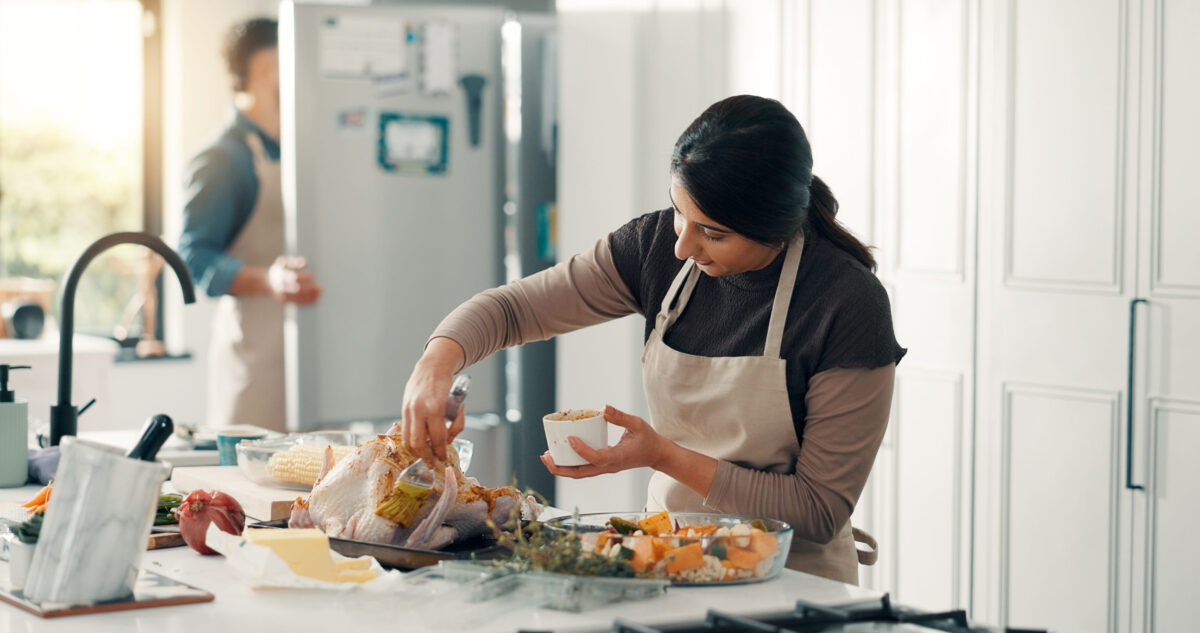
Golden fried chicken, smoky barbecue wings, and Thanksgiving turkey might be irresistible, but you never want to serve poultry undercooked.
Raw chicken and turkey can harbor Salmonella and Campylobacter, two bacteria responsible for foodborne infections.
The safest approach is cooking poultry to an internal temperature of 165°F. And despite what Grandma might have taught you, rinsing raw chicken under the faucet isn’t necessary. It can actually spread bacteria onto countertops and nearby utensils.
Leafy Greens
That colorful salad bowl might look fresh, but lettuce and spinach aren’t automatically free of harmful germs.
Contamination can happen during growing, harvesting, processing, or distribution, sometimes long before vegetables reach supermarket shelves.
In 2024, federal outbreak surveillance data reported four outbreaks linked to leafy greens that caused 127 illnesses, 53 hospitalizations, and one death.
Rinsing fresh greens under running water is a sensible precaution, although washing alone cannot eliminate every possible contaminant.
Ground Beef
Few things say American summer quite like burgers sizzling on a backyard grill.
Unfortunately, ground beef can carry harmful E. coli strains. Unlike a whole cut of steak, grinding can spread bacteria throughout the meat, so the center needs as much attention as the outside.
For a safer burger, aim for an internal temperature of 160°F. A meat thermometer beats cutting into the patty and guessing whether the color looks right.
Eggs
Scrambled, fried, poached, or baked into chocolate chip cookies, eggs are practically everywhere in American kitchens.
But Salmonella can sometimes be present in eggs, so think twice about raw cookie dough, runny eggs, and homemade dressings made with uncooked eggs.
For everyday cooking, prepare eggs until the whites and yolks are firm. For recipes that call for uncooked eggs, pasteurized varieties offer a safer alternative.
Related: Foods You Should Never Reheat in the Microwave
Raw Oysters and Seafood
A platter of fresh oysters may feel like the ultimate coastal indulgence, but eating shellfish raw carries risks.
Oysters can carry Vibrio bacteria, which naturally occur in coastal waters. You can’t reliably identify contaminated oysters by their appearance, smell, or taste.
Thorough cooking is the safer choice. Fish should generally reach 145°F, while shellfish should be cooked according to recommended food safety guidance.
A squeeze of lemon or splash of hot sauce might improve the flavor, but neither makes contaminated seafood safe.
Deli Meats and Hot Dogs
A turkey sandwich from the deli counter or a quick hot dog at home hardly seems dangerous.
Yet ready-to-eat meats can occasionally become contaminated with Listeria, a bacterium that can grow even in refrigerated conditions.
This makes proper storage and handling particularly important. People at greater risk of severe foodborne illness are advised to heat deli meats and hot dogs until steaming hot before eating.
That extra step can matter more than the convenience of eating them straight from the package.
Raw Sprouts

Alfalfa sprouts and bean sprouts add a pleasant crunch to sandwiches, wraps, and salads, but their growing conditions can create an unexpected problem.
Sprouts develop in warm, moist environments that also favor bacteria such as Salmonella and E. coli.
Because they’re often served raw, harmful germs may remain on the finished dish.
Cooking sprouts thoroughly offers a safer way to enjoy their crunchy texture without taking the same risk.
Cut Melons
Nothing beats chilled watermelon at a Fourth of July cookout or fresh cantaloupe on a hot afternoon.
However, slicing melons introduces opportunities for bacteria on the rind to reach the edible flesh. Once cut, leaving fruit sitting out too long creates another concern.
Refrigerate cut melon promptly, and remember the familiar two-hour rule for perishable foods. When outdoor temperatures climb above 90°F, that window shrinks to just one hour.
It’s a small detail that’s easy to overlook when everyone is enjoying a backyard barbecue.