7 Foods and Drinks You Should Think Twice About Bringing on a Flight
Your packed lunch can clear airport security and still turn into an awkward travel companion. A sandwich needs chilling, soup comes with liquid restrictions, and chicken wings leave you juggling sauce, napkins, and bones in your seat.
Choosing flight food takes more than checking whether it fits in your bag. Security rules determine what can pass through a checkpoint. Storage needs determine how you should transport it. Courtesy and convenience matter once you sit down.
These seven choices deserve extra planning. Most are permitted under the right conditions, but a few adjustments can make your meal easier to manage.
Tuna Sandwiches and Opened Fish Meals
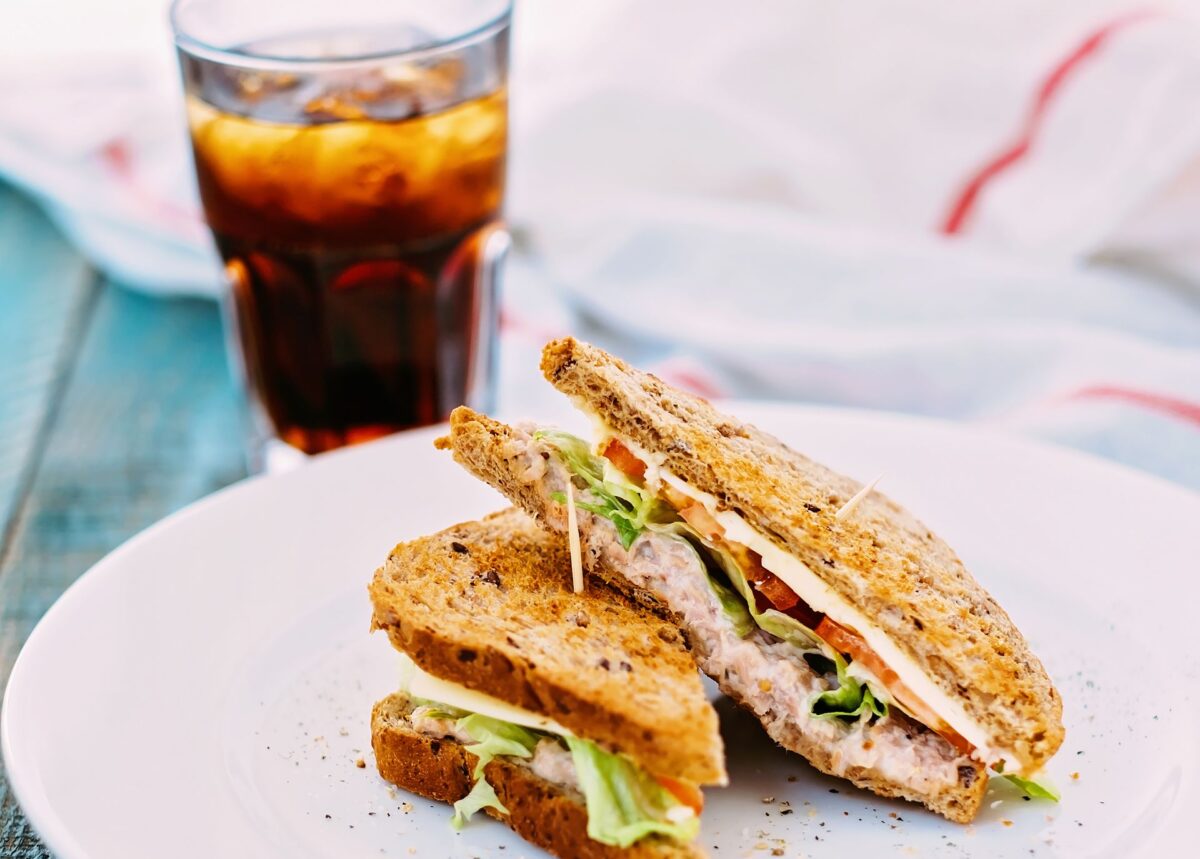
A tuna sandwich may be easy to pack, but consider its aroma before unwrapping it beside another passenger. In Fodor’s coverage of strong-smelling airplane food, etiquette expert Thomas P. Farley emphasizes considering how your choices affect people sharing the space.
Treat this as a courtesy concern rather than a blanket food ban. TSA generally permits solid food through screening. A noticeable smell alone does not mean your sandwich is prohibited.
The practical option is to enjoy a strongly scented meal in the terminal before boarding. If you want something for the flight, choose a less aromatic solid snack. Any perishable choice still needs appropriate storage.
Related: 8 Foods and Drinks to Skip Before Your Next Flight
Saucy, Bone-in Wings
Wings demand more coordination than their size suggests. Before packing them, consider how you will open the container, handle the sauce, and collect the bones without spreading everything across your tray.
Flight attendant Barbi, interviewed by The Takeout, flags bone-in foods as inconvenient because of the waste they leave behind. A neater meal without bones or loose sauce is a practical alternative. That is a packing recommendation, not an airline requirement.
Keep screening in mind, too. Separate sauce containers follow liquid and gel restrictions, and you should not assume every heavily sauced dish will automatically be classified as solid food.
Soup and Broth
Soup creates a checkpoint question before you even reach your gate. Under TSA’s ordinary liquid rule, carry-on containers must hold no more than 3.4 ounces (100 milliliters) and fit in your quart-sized liquids bag.
Pouring a small amount into a larger container doesn’t make that container compliant. Your favorite soup flask therefore needs more thought than simply leaving space at the top. Temperature control is a separate issue. USDA recommends an insulated container that keeps hot soup at 140°F or above.
Eating soup before boarding or choosing a solid meal can simplify the trip. If you buy soup after security, secure packaging still matters when you carry and open it.
Yogurt Cups
Yogurt looks like breakfast rather than a beverage, but that distinction does not exempt it from screening restrictions. TSA treats it as a liquid or gel food and subjects it to the ordinary carry-on size limit.
Check the container before packing. A regular cup may not meet the 3.4-ounce (100-milliliter) requirement, even if you plan to eat only part of it. It must also fit with your other permitted liquids.
You can choose a compliant portion or buy yogurt after clearing the departure checkpoint. Neither approach removes its refrigeration needs. Permission to carry food and a plan to keep it cold are two different checks.
Coffee in an Insecure Takeaway Cup
The coffee you bought before arriving at the airport faces the same checkpoint liquid restrictions as other drinks. A full-sized takeaway cup doesn’t get an exception just because it is part of your morning routine.
Buying coffee after you clear the departure checkpoint avoids carrying it through that screening point. However, a connection involving another checkpoint can create a new issue. Once you have the drink, consider how it will close.
A securely closing container is a sensible choice when you are also handling luggage and boarding documents. For water, an empty refillable bottle offers another straightforward option: take it through screening empty and fill it afterward.
Chilled Sandwiches Without a Cooling Plan
A chicken sandwich can be a practical packed meal when you account for the entire journey. The relevant timeline starts before boarding, including travel to the airport, security queues, and any delays.
USDA recommends an insulated bag and at least two cold sources for perishable packed meals. Keep cold food at 40°F or below rather than treating the aircraft cabin as refrigerated storage. Cold packs also need screening consideration.
Ordinary frozen gel packs must be frozen solid at the checkpoint; partially melted or slushy packs face liquid restrictions. If maintaining cold storage is impractical, choose a suitable shelf-stable alternative. An insulated bag alone doesn’t guarantee lunch will stay cold indefinitely.
Personal Alcohol Intended For Onboard Drinking
A miniature bottle that passes security doesn’t let you pour yourself a drink during the flight. FAA rules prohibit passengers from drinking alcohol aboard an aircraft unless the air carrier serves it.
That distinction also applies to alcohol purchased after security. Buying a bottle in the terminal does not authorize onboard self-service.
Keep permitted alcohol unopened for after the flight, following the applicable transport rules. If your airline offers drinks, use its service instead. Do not assume crew members must agree to serve a bottle you brought.
Make Your Meal Part of the Travel Plan
Before departure, check TSA guidance, your airline’s policies, and any destination-specific food restrictions. Screening officers make the final checkpoint decision, and solid food may require additional inspection.
Then think through the meal itself: storage, packaging, eating, and disposal. The best choice is food you can manage comfortably throughout the journey, with consideration for the people sitting nearby.
Other Posts You May Like
. 10 Things You Should Never Do on a Flight
. 7 Airport Lounge Mistakes You Should Avoid