This Creamy Cajun Chicken Pasta Brings Big Flavor to an Ordinary Weeknight
Chicken and pasta can feel like the dinner equivalent of putting on the same sweatshirt again. Dependable? Absolutely. Exciting? That depends on what happens next. Beth Moncel’s One Pot Creamy Cajun Chicken Pasta gives the familiar combination a smoky, spicy makeover with seasoned chicken, fire-roasted tomatoes, and a cream-cheese finish. The Budget Bytes recipe serves four and calls for 10 minutes of prep plus 20 minutes of cook time, with the pasta cooking directly in the skillet.
That last detail is the weeknight advantage: there is no separate pot of boiling water or colander waiting in the sink. Instead, uncooked penne simmers with chicken broth, tomatoes, and their juices before cream cheese turns the cooking liquid into sauce. “Everything happens in one pan, and there’s so little to clean up afterward,” Moncel writes. It is one-pot cooking with a clear sequence, rather than a promise that dinner somehow makes itself.
The Flavor Starts Before the Cream Cheese Arrives
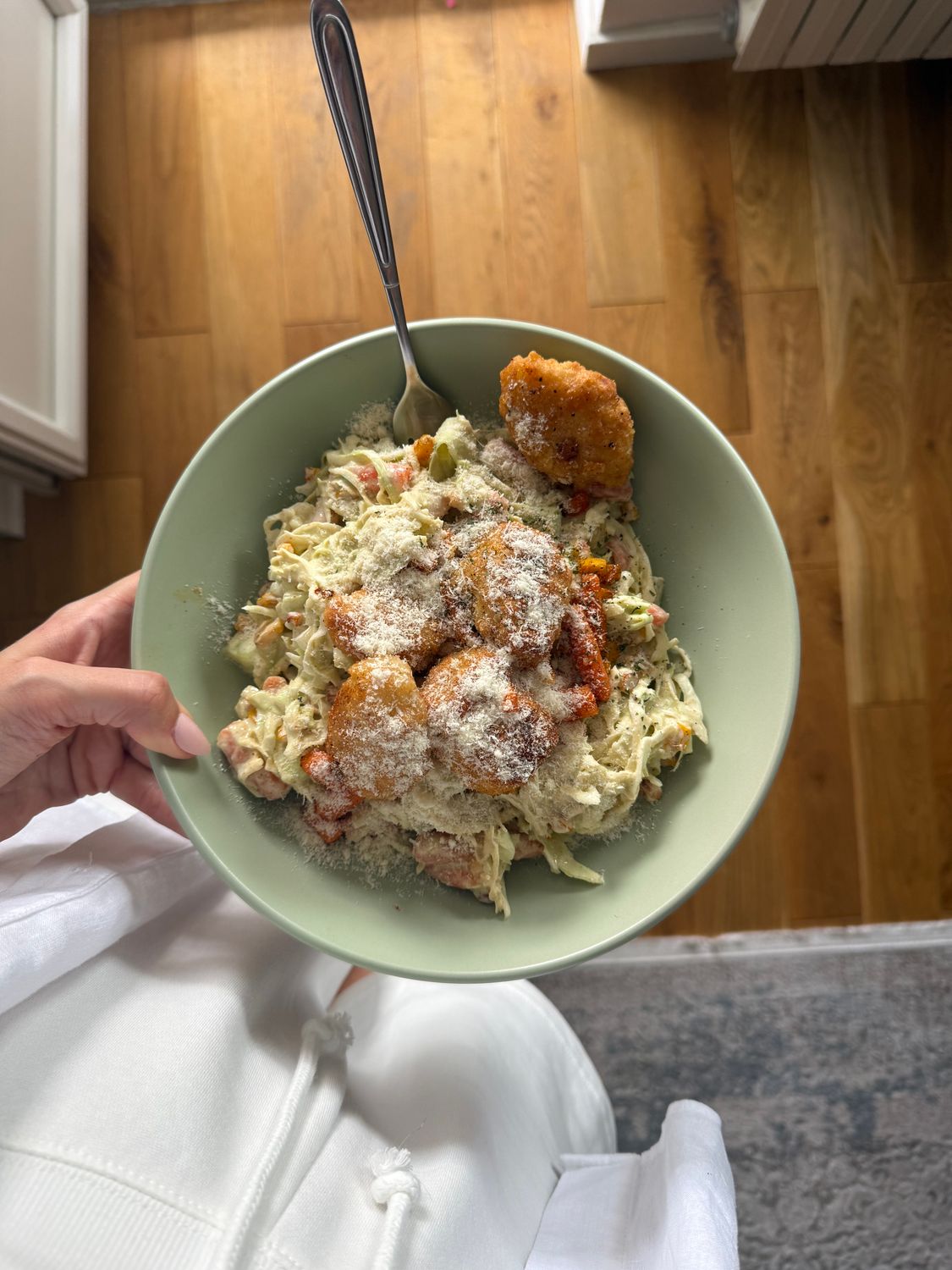
Moncel describes the inspiration as a craving for “a creamy, smoky, spicy, easy one pot dish.” Her recipe gets that combination from a homemade seasoning blend, fire-roasted tomatoes, and a relatively small amount of cream cheese. The dairy goes in at the end, after the pasta has cooked, rather than forming a separate cream sauce. This is Moncel’s Cajun-style weeknight pasta recipe; its name doesn’t mean it represents every dish or tradition associated with Cajun cooking.
For the seasoning, combine 2 teaspoons smoked paprika, 1 teaspoon each dried oregano and thyme, and ½ teaspoon each garlic powder and onion powder. Add ¼ teaspoon each cayenne pepper, black pepper, and salt. The blend seasons 1 pound of boneless, skinless chicken breast, cut into ½- to ¾-inch cubes. Measuring the spices before the pan gets hot keeps the cooking steps moving and gives you a clear point at which to adjust the cayenne.
The remaining ingredients are straightforward: 1 tablespoon each of olive oil and butter, 1 diced yellow onion, 8 ounces uncooked penne, and a 15-ounce can of fire-roasted diced tomatoes. You will also need 2 cups chicken broth, 2 ounces cream cheese and three sliced green onions for finishing. Keep the tomato juices; add them to the skillet with the tomatoes. Moncel uses a deep skillet with a 4-quart capacity, so choose something roomy with a lid rather than a shallow frying pan.
How to Make the Pasta Without Leaving Anything to Guesswork
Toss the cubed chicken with the seasoning until the pieces are evenly coated. Heat the olive oil and butter in the deep skillet over medium-high heat until the butter melts and foams, then add the chicken. Cook for a couple of minutes on each side, just until the outside develops some color. This is a browning stage, not the end of cooking: the chicken remains in the skillet and continues cooking as the pasta simmers.
Add the diced onion and sauté for about two more minutes, until it begins to soften. Moncel notes that the onion’s moisture helps loosen browned bits from the bottom of the pan. Next, add the uncooked penne, the entire can of tomatoes (including the juices), and the chicken broth. Stir to combine, cover, and bring the liquid to a boil; add the dry pasta, and don’t cook or drain it beforehand.
Once the liquid boils, reduce the heat to medium-low and simmer for approximately 10 minutes, stirring every couple of minutes. Look for two results: tender pasta and a liquid that has thickened into a sauce. Moncel cautions that cookware can affect the heat needed to maintain a simmer, so adjust the burner rather than treating its setting as an unchangeable rule. Stirring matters, too, because the pasta can stick while it cooks directly in the broth.
Use a food thermometer to check that the chicken has reached a safe internal temperature of 165°F,rather than judging doneness by the browned exterior. Once the chicken is cooked and the pasta is tender, add the cream cheese in small chunks and stir until it melts into the sauce. Scatter the sliced green onions over the top and serve. The recipe doesn’t require a separate roux, a second saucepan, or a trip under the broiler for finishing.
Related: You Rinse Your Hands After Handling Raw Chicken, but the CDC Says Soap and 20 Seconds Matter
Make It Your Kind of Spicy and Plan for Leftovers
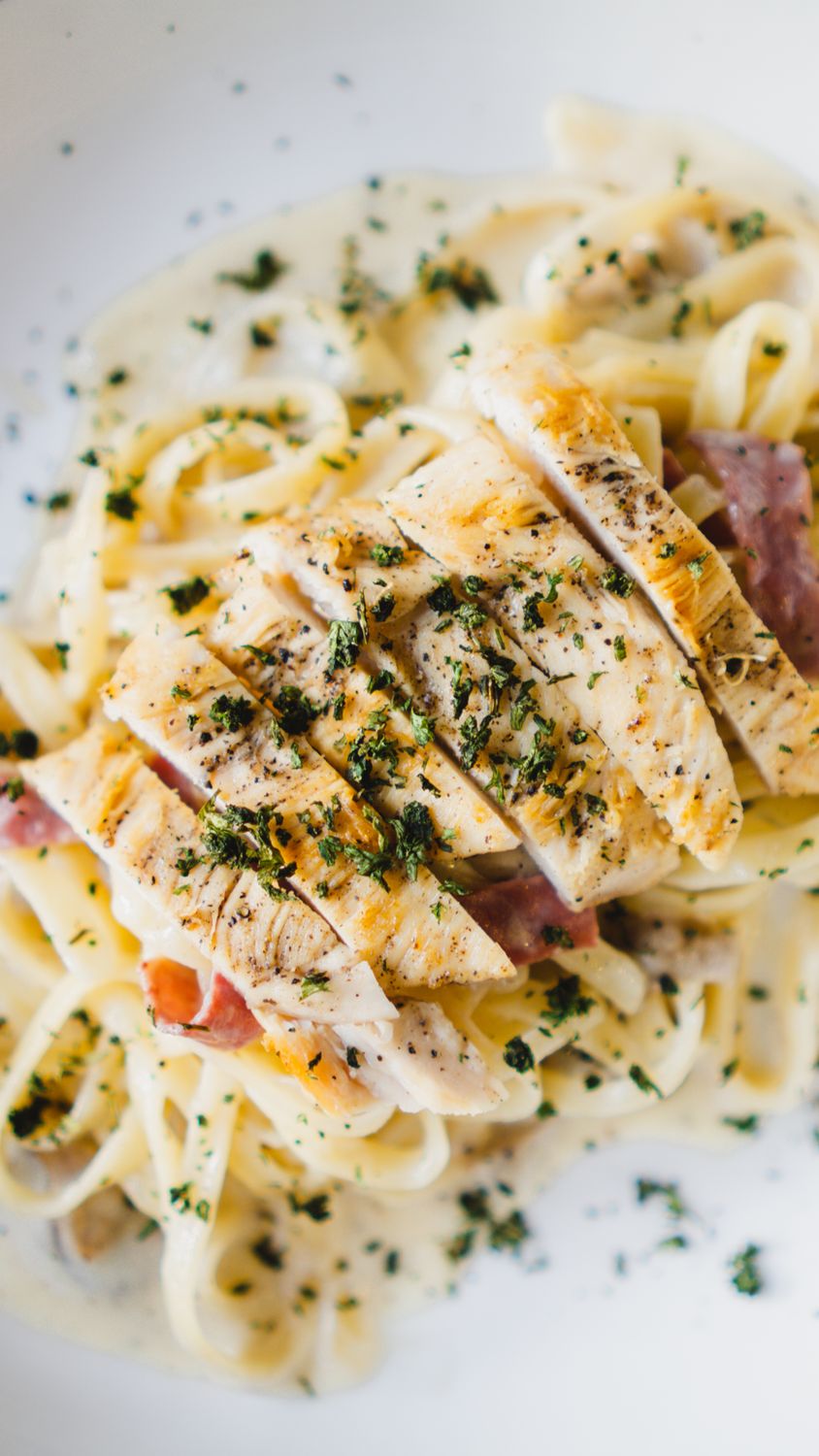
You can adjust the heat without abandoning the recipe’s basic structure. Moncel recommends halving the cayenne for less heat or leaving it out entirely if you prefer to avoid it. The smoked paprika, herbs, garlic, and onion powders stay in the blend, so cutting the cayenne doesn’t mean removing every seasoning. Her explanation is refreshingly practical: “Sometimes your body and brain don’t want the same thing.” Start with a level you can comfortably enjoy rather than treating dinner as a spice challenge.
If you don’t like cream cheese, Moncel suggests about ¼ cup heavy cream or ½ cup half-and-half instead. She also says the pasta works without a creamy finish, although that changes the dish promised in the headline. “The creaminess does balance the heat and acidity very well,” she writes. These alternatives still contain dairy; they are ingredient substitutions, not solutions for a milk allergy, and skipping cream cheese alone does not remove the butter already used in the pan.
For serving, the pasta can stand on its own, or you can follow Moncel’s suggestions of a salad or bread alongside it. Refrigerate leftovers promptly, within two hours of cooking, and use them within three to four days; reheat chicken to 165°F. There is no need to promise that every household will put this on permanent rotation. Its appeal is specific: seasoned chicken, smoky tomatoes, tender pasta, and a creamy finish, all from one cooking vessel.