7 Foods Americans Once Looked Down On but Now Can’t Get Enough Of
Some of America’s most celebrated foods have surprisingly humble beginnings. Long before they appeared on restaurant menus and at fancy dinner parties, several were dismissed as cheap, undesirable, or simply not impressive enough for guests.
What changed? Sometimes it was clever cooking. Other times, scarcity and changing tastes transformed yesterday’s ordinary meal into today’s expensive delicacy. These seven foods prove that what’s considered embarrassing at the dinner table can change dramatically over time.
Lobster
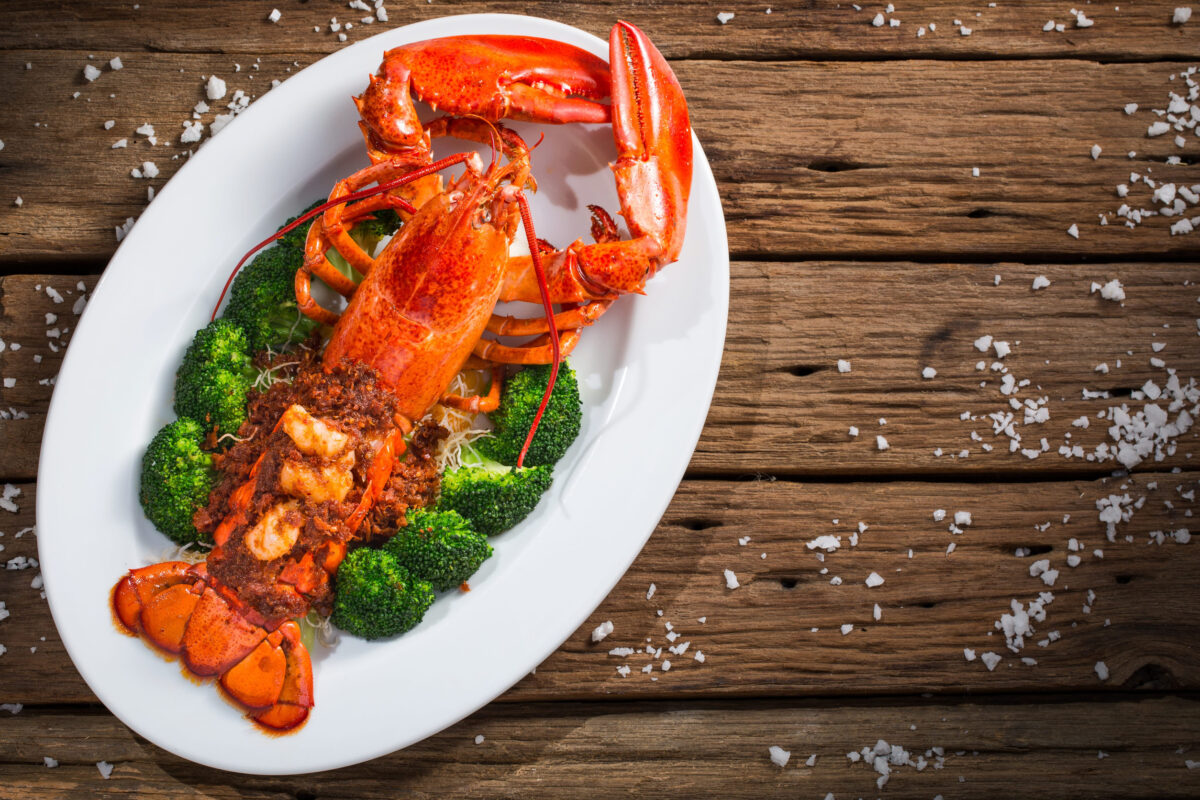
Believe it or not, lobster was once associated with poverty, not luxury. In colonial New England, lobsters were so abundant that they were commonly fed to prisoners and servants.
According to the Smithsonian, lobster was considered poor-people’s food in the early 1600s. Its reputation gradually improved as transportation, tourism, and commercial fishing expanded during the 1800s.
Today, serving lobster at dinner suggests an occasion worth celebrating. That’s quite a promotion for something once considered unappealing.
Oysters
Before oysters became a fashionable restaurant appetizer, they were everyday street food in American coastal cities. In the 1800s, vendors sold them to working-class customers looking for something affordable and filling.
The Smithsonian’s National Museum of African American History and Culture documents how Black oyster vendors helped feed America’s growing appetite for shellfish during the late 1800s and early 1900s.
By 1899, New Orleans’ Antoine’s Restaurant had introduced Oysters Rockefeller, a luxurious dish named after one of America’s wealthiest businessmen. The humble oyster had officially entered high society.
Related: 7 Modern Restaurant Trends Boomers Say Have Ruined the Dining Experience
Chicken Wings
There was a time when chicken wings were hardly the part of the bird anyone wanted to show off at dinner.
Before Buffalo wings became popular, wings were inexpensive and sometimes treated as leftovers rather than prized cuts.
That changed dramatically in Buffalo, New York, where the Anchor Bar popularized its famous sauced wings in 1964. According to NPR, wholesale wing prices had doubled over the decade leading up to 2010 as demand grew.
Now, wings are practically required at Super Bowl parties, sports bars, and backyard gatherings. The once-overlooked chicken part has become a national favorite.
Beef Brisket
Today, Americans happily stand in long lines for perfectly smoked brisket. But historically, this tough cut of beef was valued more for affordability than prestige.
A Houston Chronicle examination of historical advertisements found that an 1888 Texas butcher sold brisket for just 5 cents per pound, compared with 10 cents for porterhouse steak.
Slow cooking eventually transformed its reputation. Jewish cooking traditions and Texas barbecue helped demonstrate how a relatively inexpensive cut could become something extraordinary.
These days, a beautifully smoked brisket can be the centerpiece of an expensive barbecue meal.
Caviar
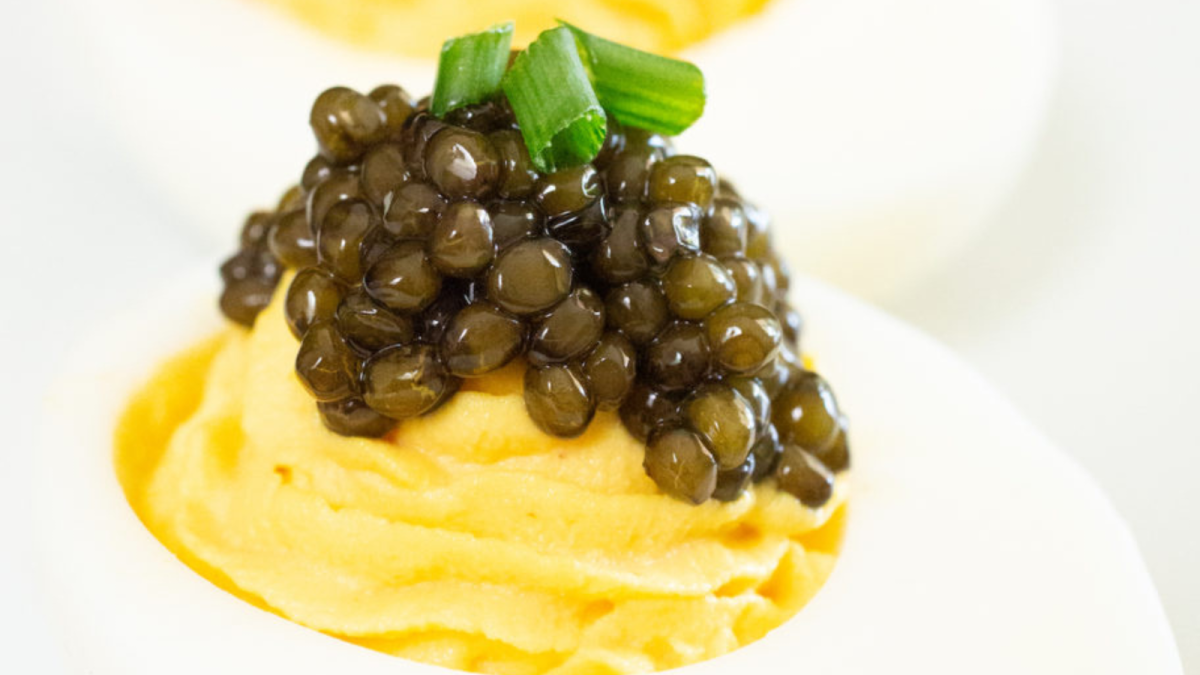
Caviar might be the most surprising food on this list. Those tiny fish eggs now associated with champagne and extravagant restaurants were once inexpensive enough to appear as American bar snacks.
According to a 2025 National Geographic historical investigation, America’s 19th-century sturgeon industry produced enormous quantities of caviar. In some establishments, they served it free alongside beer.
The Delaware River’s booming industry even supported a settlement called Caviar, where seasonal fishing attracted hundreds of workers.
Overfishing and shifting supply eventually turned this once-accessible food into an expensive luxury.
Collard Greens
Collard greens have long been associated with resourceful Southern home cooking rather than formal fine dining. Their history is especially significant within African American culinary traditions.
The Smithsonian explains that enslaved African Americans cultivated vegetables to supplement inadequate food rations, helping preserve food traditions that became central to Southern cuisine.
People sometimes dismissed these dishes as poor people’s food, even though they carried generations of cooking knowledge and cultural meaning.
Today, collard greens remain a beloved feature of Southern restaurants, holiday meals, and soul food celebrations. Their popularity reflects a culinary heritage that deserves recognition, not embarrassment.
Liver and Other Organ Meats
Not everyone would feel comfortable placing liver, kidneys, or other organ meats in front of dinner guests today. Yet these cuts have a long history in American home cooking.
As tastes shifted toward familiar muscle cuts, organ meats became less fashionable in many households.
A February 2026 National Geographic report cited food experts who explained how distinctive textures and appearances contributed to declining offal consumption in developed countries, including the United States.
Still, chefs continue exploring dishes such as pâté, liver preparations, and carefully cooked organ meats. Some diners find it unpleasant; others celebrate it as traditional cooking.
A Final Thought
Food trends have a funny way of rewriting history. What one generation considers too cheap or ordinary for company can become the next generation’s favorite restaurant order.
Lobster, brisket, and chicken wings are reminders that a food’s reputation often says more about society than its actual flavor.
And who knows? Something sitting quietly in your grandmother’s old recipe book might just become tomorrow’s hottest dinner trend.