Alex Padilla Accuses Trump of Dragging America Into an Unnecessary War as Service Members and Families Face the Cost
Sen. Alex Padilla is accusing President Donald Trump of pushing the United States into an unnecessary conflict and warning that American service members and working families are paying the price as questions grow over the cost, purpose, and long-term consequences of U.S. military action abroad.
The California Democrat has argued that the administration has failed to provide enough clarity about the goals, expenses, and impact of the conflict, saying Americans deserve answers before more resources and lives are committed overseas.
For Padilla, the debate is not only about foreign policy. He has framed the issue around the daily struggles facing Americans at home, including rising costs, household expenses, and concerns that government priorities are shifting away from families already under financial pressure.
Padilla Raises Questions Over War Costs and America’s Priorities
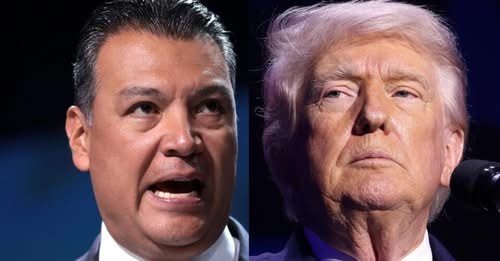
Padilla’s criticism centers on the argument that military decisions carry consequences far beyond the battlefield. According to his office, he has questioned the administration’s explanation of the conflict and demanded greater transparency about how much the operation is costing American taxpayers.
The senator has repeatedly connected national security decisions with economic concerns faced by ordinary Americans. He argues that every dollar directed toward military operations represents a broader conversation about government spending, inflation, and support for working families.
During remarks criticizing the administration’s handling of the conflict, Padilla questioned why officials had not provided clearer information about the war’s financial burden. He argued that Americans deserve to know the full cost of military actions carried out in their name.
The issue has become part of a larger political debate in Washington over the role of the United States in overseas conflicts. Supporters of stronger military action say national security threats require decisive responses, while critics argue the country must carefully consider the risks of prolonged engagements.
Service Members Become the Center of a Growing Debate
At the heart of Padilla’s message is concern for U.S. service members who may be asked to carry out dangerous missions overseas. He has argued that military personnel and their families bear the greatest burden when leaders make decisions about war.
Military families often experience the effects of conflict long before the public sees them. Deployments, separation from loved ones, uncertainty about the future, and emotional stress can affect entire households.
The debate comes as lawmakers from both parties continue discussing the responsibilities owed to military families. Recent political disputes have focused on issues including troop readiness, family support, and whether government decisions strengthen or weaken the confidence of those serving.
For many Americans, discussions about war are not only about strategy or diplomacy. They are also about the people who leave their homes, miss important family moments, and accept personal risks in service to the nation.
Economic Pressure Adds Another Layer to the Political Fight
Padilla has also linked the foreign policy debate to economic concerns facing families across the country. His criticism reflects a broader Democratic argument that government should focus more heavily on reducing costs for households.
Many Americans continue to pay close attention to issues such as food prices, housing expenses, healthcare costs, and wages. Political leaders from both parties have attempted to connect national decisions with the everyday experiences of voters.
Padilla’s message is that a government focused on overseas military involvement must also address challenges at home. He has argued that families should not feel ignored as Washington debates expensive foreign commitments.
Republicans and supporters of the administration have pushed back against similar criticism, arguing that defending U.S. interests abroad is necessary to protect Americans in the long term. They contend that national security decisions cannot be measured only by immediate financial costs.
The Bigger Battle Over America’s Role in the World
The controversy surrounding Padilla’s comments reflects a much older American debate: when and how the United States should use military power.
From Vietnam to Iraq and Afghanistan, questions about the cost of war have shaped political conversations for generations. Critics often warn about long conflicts with unclear goals, while supporters argue that failing to respond to threats can create even greater dangers.
The current dispute follows that same pattern. One side emphasizes security and the need to confront international challenges. The other side focuses on accountability, congressional oversight, and the impact on American families.
Padilla’s criticism places him among lawmakers calling for greater scrutiny of presidential war powers and military spending. Similar arguments have appeared throughout American history whenever presidents have expanded military involvement overseas.
Trump Administration Defends Its Approach to National Security
The Trump administration and its supporters have defended its national security decisions by arguing that military action is aimed at protecting American interests and addressing threats before they grow.
Supporters say strong responses are necessary when adversaries challenge U.S. security interests. They argue that reducing military pressure could encourage hostile governments or groups to act more aggressively.
The administration has also rejected claims that it is ignoring American families, pointing to its own policy priorities and economic initiatives as evidence that domestic concerns remain central.
The disagreement highlights a familiar political divide in Washington. Democrats often emphasize diplomacy, oversight, and domestic investment, while Republicans frequently stress military strength and deterrence.
A Debate That Extends Beyond One Conflict
The clash between Alex Padilla and the Trump administration is part of a much wider conversation about America’s responsibilities at home and abroad.
For critics, the central question is whether military commitments are worth the financial and human costs. For supporters, the question is whether failing to act could create greater dangers in the future.
As the debate continues, the voices of service members and their families remain central. They are the people most directly affected by decisions made in Washington.
The argument over war is ultimately an argument about priorities. It asks Americans to consider how the nation balances security, economic stability, and the responsibility owed to those who serve.
As lawmakers continue fighting over the direction of U.S. foreign policy, one reality remains clear: decisions made in Washington do not stay inside government buildings. They reach military bases, family homes, and communities across the country.