7 Everyday Foods That Can Be Surprisingly Risky to Eat Raw
That little taste of cookie dough or a freshly shucked oyster might seem harmless, but some foods can carry dangerous surprises when eaten raw. Even ingredients that look perfectly fresh can harbor bacteria or natural toxins that your eyes, nose, and taste buds cannot detect.
According to the Centers for Disease Control and Prevention (CDC), an estimated 48 million Americans suffer from foodborne illnesses annually, with approximately 128,000 hospitalized and 3,000 dying.
The good news? A few simple kitchen habits can make a big difference. Here are seven foods worth handling with extra care.
Raw Chicken
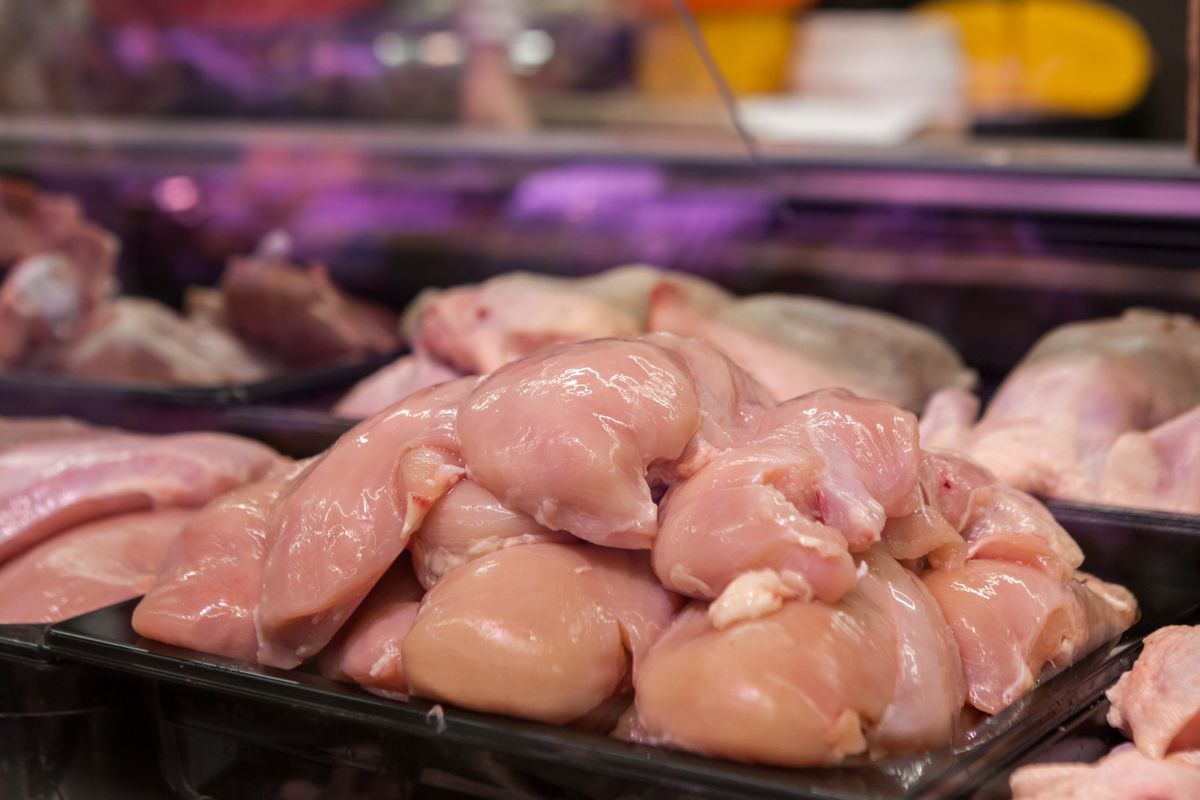
Chicken is a dinner favorite in American households, but eating it raw or undercooked is a serious gamble. Raw poultry can carry harmful bacteria, including Salmonella and Campylobacter, that cause food poisoning.
A golden-brown exterior doesn’t necessarily mean the inside is ready. The CDC recommends cooking all poultry to an internal temperature of 165°F, using a food thermometer to confirm it’s done.
Raw Eggs
Whether you’re sneaking homemade cake batter or whipping up a classic Caesar dressing, raw eggs deserve caution. They can contain Salmonella, even when the shells appear clean and unbroken.
The CDC recommends cooking eggs until the whites and yolks are firm. For recipes that require uncooked eggs, pasteurized eggs are the safer choice.
Related: 10 Powerful Cooking Tricks That Instantly Improve Your Meals
Raw Oysters
Fresh oysters on ice may look like the ultimate seafood treat, but there’s a risk hiding beneath those shells.
Raw oysters can carry harmful microorganisms, including Vibrio bacteria, that may cause serious illness. Unlike some foods, adding lemon juice, vinegar, or hot sauce doesn’t reliably eliminate these germs.
Cooking shellfish thoroughly is the safer option, particularly for pregnant women, older adults, and people with weakened immune systems.
Raw Flour
Here’s one that surprises many home bakers: flour isn’t automatically safe just because it comes in a sealed bag.
The CDC explains that most flour is untreated and can contain harmful E. coli or Salmonella bacteria. In fact, the agency investigated outbreaks connected to raw flour or cake mixes in 2016, 2019, 2021, and 2023.
That innocent spoonful of brownie batter suddenly sounds less appealing. For cookie dough cravings, choose products labeled safe to eat raw and made with heat-treated flour.
Raw Sprouts
Alfalfa, bean, and other sprouts bring a satisfying crunch to sandwiches and salads. Unfortunately, their warm, humid growing conditions can also encourage bacterial growth.
Harmful bacteria can be present inside or on sprout seeds, so washing alone isn’t enough to eliminate the risk.
The CDC recommends cooking sprouts until steaming hot, especially for people more vulnerable to food poisoning.
Raw Kidney Beans
Kidney beans might seem harmless straight from the garden, but eating them raw or improperly cooked can cause a surprisingly unpleasant reaction.
The FDA identifies a naturally occurring lectin called phytohaemagglutinin in raw and undercooked beans. At high levels, it can trigger severe nausea, vomiting, and diarrhea.
The FDA advises soaking the beans for at least 5 hours, then boiling them in fresh water for at least 30 minutes to remove and destroy this toxin. Canned kidney beans, however, are already cooked and safe to use directly in your favorite chili or bean salad.
Raw Ground Beef
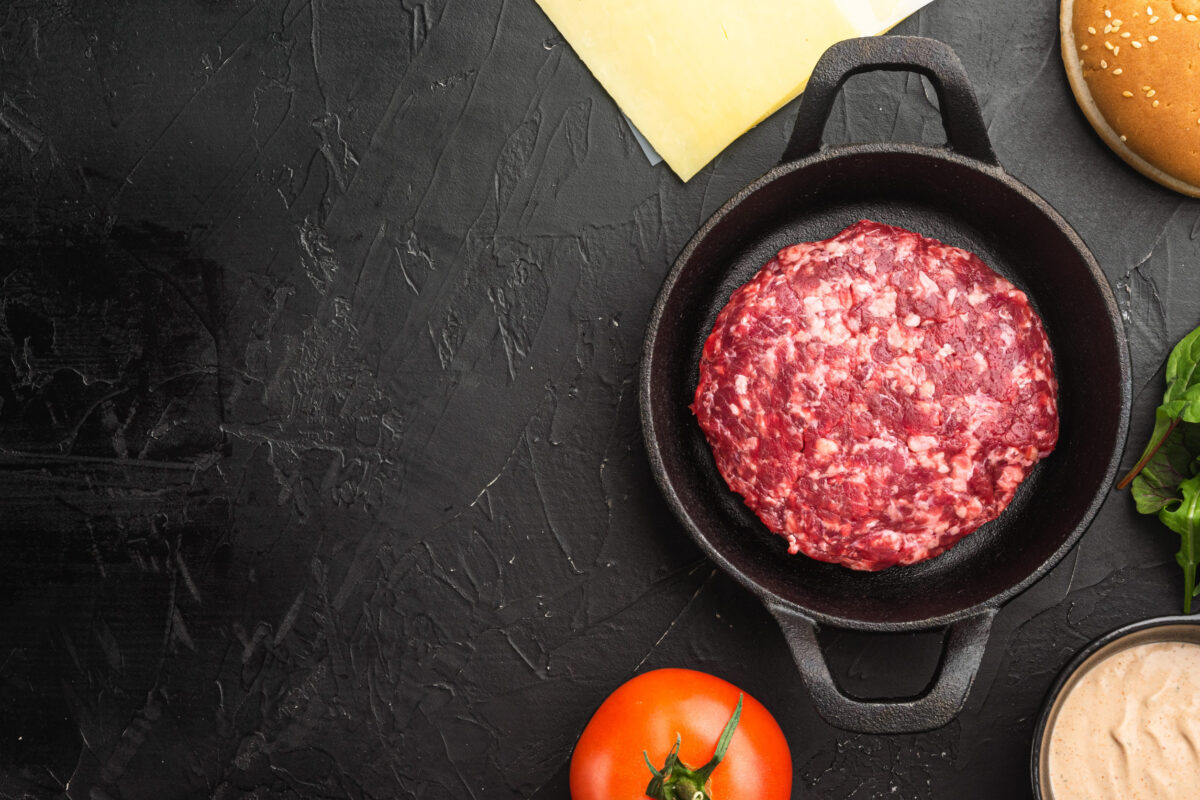
A juicy burger is an American classic, but rare or raw ground beef is riskier than many diners realize.
Grinding distributes bacteria that may have been on the meat’s surface throughout the mixture. That means a burger browned on the outside can still contain harmful germs inside.
The CDC recommends cooking ground beef to 160°F, rather than judging doneness by color alone.
The Bottom Line
Eating fresh food doesn’t always mean eating it raw. While many fruits and vegetables are perfectly fine raw when handled properly, some ingredients need cooking or special processing to reduce risk.
The simplest rule is worth remembering: when in doubt, check the temperature, follow safe preparation guidelines, and don’t let a tempting taste turn into an unforgettable stomachache.
Food safety isn’t about fearing your favorite meals. It’s about enjoying them without unnecessary risks.