Why Roasting Grapes Can Turn an Ordinary Cheese Board Into Something Special
Grapes have a comfortable little job on a cheese board: sit beside the cheddar, look lovely, and offer something fresh between bites. That arrangement is perfectly fine. But put those grapes in the oven first, and they become something quite different: soft, juicy fruit with blistered skins and a jammy center. Suddenly, the familiar cheese-board garnish has something worth showing off.
The upgrade needs no specialty ingredient or complicated sauce. Olive oil, salt, pepper, and a hot oven are all you need to get started, with fresh herbs for a savory twist. Food writer and recipe developer Sheela Prakash describes the transformation in Epicurious: “The grapes will get blistered and caramelized on the outside, and extra juicy and practically jammy on the inside.”
That is what makes roasting such a useful move for a cheese board. You are not simply warming the fruit; you are changing its texture and giving those sweet juices a starring role. Serve the grapes beside Brie, spoon them over creamy cheese, or tuck a bowl between the crackers and cheddar. The result is a familiar ingredient doing a much more interesting job.
Why Roasted Grapes Work So Well With Cheese
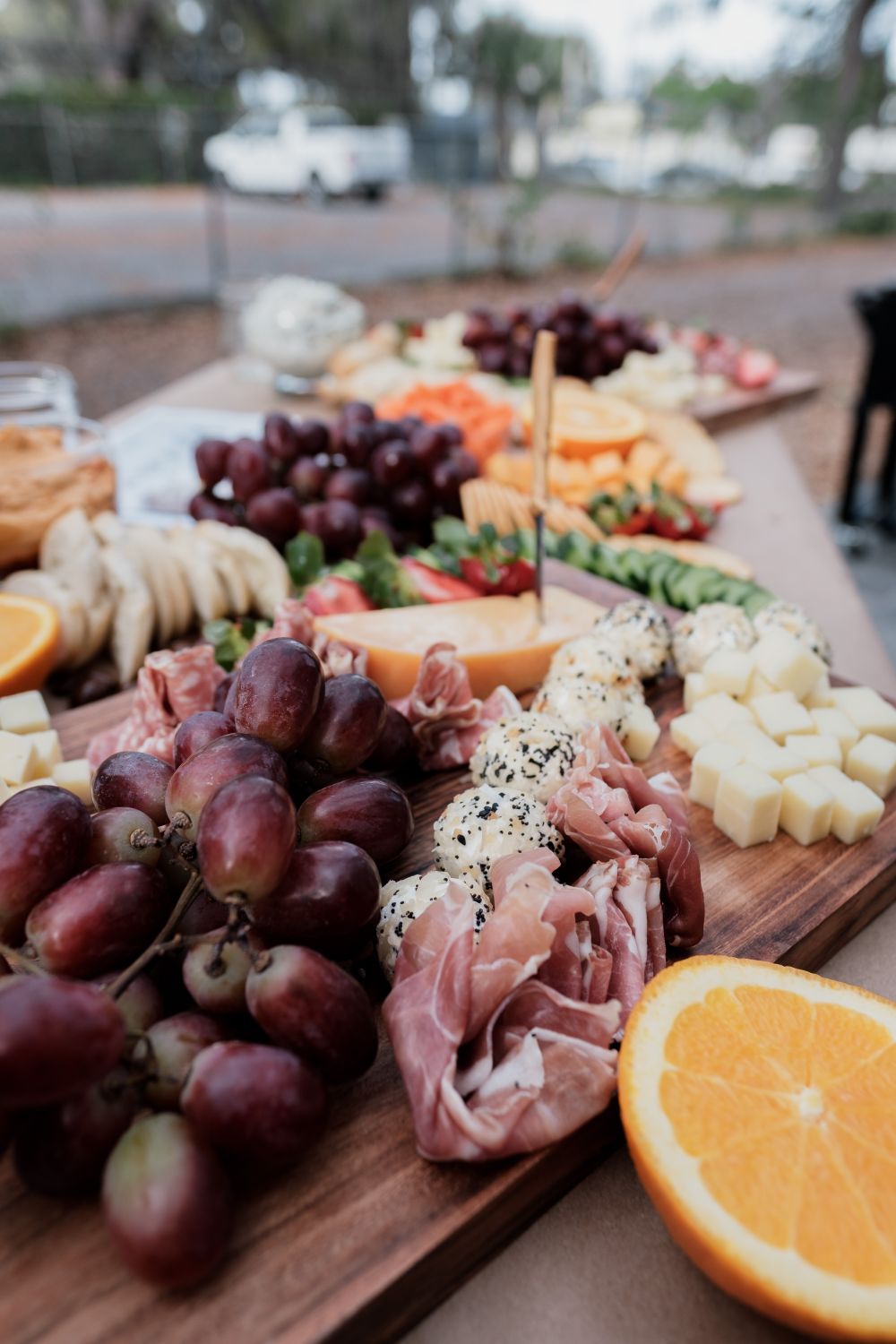
Fresh grapes bring a crisp bite, while roasted grapes become soft enough to spoon onto toast or cheese. In his recipe for The Mediterranean Dish, recipe developer Mark Beahm explains that their skins blister as their centers turn juicy and almost jammy. That contrast opens up a different way to eat them: less handful-of-fruit snacking, more scoop-and-spread deliciousness. The grapes become part of the bite rather than something eaten between bites.
The cheese course offers plenty of flexibility, too. Prakash recommends roasted grapes with both soft Brie and firmer cheddar, as well as ricotta or goat cheese spread onto crostini. Beahm favors burrata, with the warm grapes and their juices spooned over the top. Those combinations give you several starting points without requiring an entirely new shopping list for your board.
Seasoning lets you steer the fruit away from dessert territory. Beahm uses sherry vinegar to balance the grapes’ sweetness, while thyme contributes a savory, aromatic note. Prakash also suggests roasting grapes with rosemary or thyme. Think sweet fruit with a savory supporting cast, rather than a sugary topping competing with everything else on the table. Neither writer’s basic savory approach requires added sugar.
The juices deserve attention, too, so resist the urge to leave them behind on the baking sheet. Beahm specifically recommends spooning them over burrata or ricotta toast along with the fruit. In the finished dish, those juices connect the grapes to the cheese underneath. Put a piece of toasted bread alongside, and you have a ready-made route from serving dish to very satisfying bite.
How to Roast Grapes Without Making It Complicated
For a straightforward version, follow Beahm’s method: Preheat the oven to 425°F and place about 1 pound (3 cups) of seedlessgrapes on a rimmed baking sheet. Add 1½ tablespoons each of extra-virgin olive oil and sherry vinegar, ¼ teaspoon kosher salt, freshly ground black pepper, and a few thyme sprigs. Toss everything directly on the tray. No need to recruit another mixing bowl for this assignment.
Roast for about 20 minutes, watching for grapes that begin to burst and develop charred patches. Beahm notes that some should open while others retain their shape, giving you a useful visual cue instead of relying entirely on the clock. Use a rimmed pan because the fruit releases juice during cooking. Those edges keep the liquid contained until you are ready to spoon it onto the serving dish.
Seedless red, green, or black grapes all work, so the method does not depend on finding one particular color. Remove the stems for an easy-to-spoon topping, or leave the grapes in small clusters for a more dramatic presentation. Beahm recommends both approaches depending on how you intend to serve them. The practical question is whether you want guests to scoop loose fruit or pick grapes from a cluster.
Cookbook author Kate Leahy’s Wine Style also offers a gentler, unseasoned option, excerpted by Imbibe. Her method roasts 1 pound of washed, dried, seedless red grapes in small clusters at 350°F for about 30 minutes. They should puff slightly, with some juices caramelizing on the lined or lightly oiled pan. She then lets them cool on the tray and serves them at room temperature.
Related: 10 Foods You Should Never Store in the Fridge — Here’s What to Do Instead
Build a Better Board, Not a Busier One
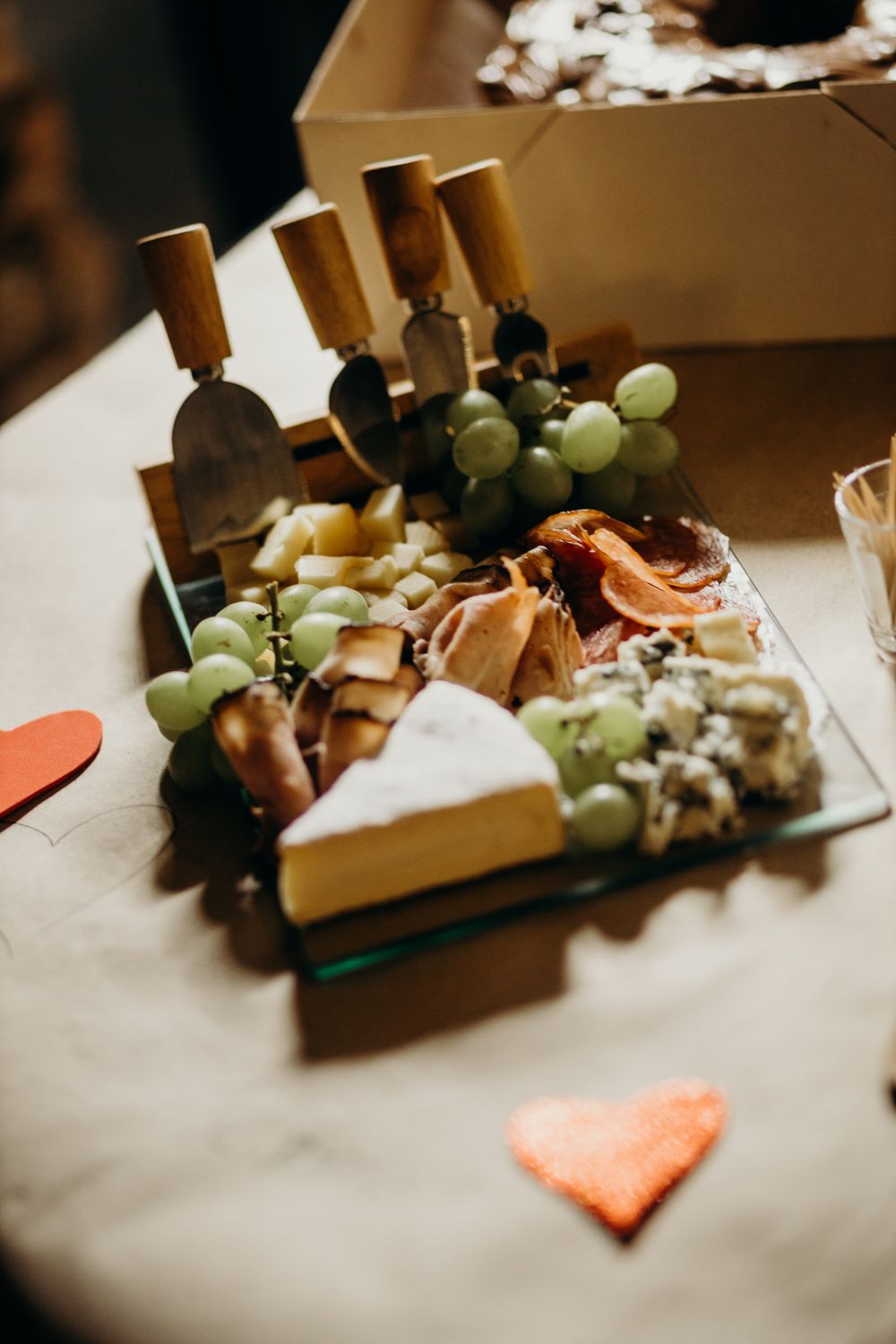
Once the grapes are ready, you do not need to turn the rest of the board into an elaborate production. Leahy’s cheese-board blueprint includes one to three cheeses ranging from creamy to firm, plus fruit, toasted nuts, and crackers or crusty bread. The grapes fit naturally into that arrangement. You can offer different textures and flavors without making every available inch of the board audition for attention.
Leahy describes an assortment that “highlights the cheese but also leaves room for toasted nuts, fresh and dried fruit, and a few other options to eat with whatever you’re drinking.” That is a helpful organizing principle: the accompaniments support the cheese rather than bury it. Her instructions also emphasize arranging the cheeses so they are easy to cut. A beautiful board should still be easy to eat.
For serving, keep the grapes and their juices in a small bowl alongside Brie and cheddar, following Prakash’s cheese-plate suggestion. Alternatively, take Beahm’s approach and spoon them directly over burrata, with toast or crackers nearby. Leahy’s room-temperature version offers another serving option when you would rather not bring warm fruit to the table. Choose the format that suits your cheeses, then make it obvious how everything goes together.
And if a few roasted grapes remain after the cheese has disappeared, they still have somewhere to go. Prakash suggests adding them to salads, spooning them over chicken or pork, or serving them with vanilla ice cream. The same fruit can move from a savory appetizer to a sweet finish with little fuss. Not bad for an ingredient that usually spends the evening quietly posing beside the crackers.