Texas Made This Czech Pastry a Road Trip Staple. Then Came the Sausage Debate
Texas has a way of making room at the table, then giving the menu a local accent. The kolache is a delicious example: a Czech pastry that crossed the Atlantic with immigrants, settled into Central Texas communities, and eventually became a familiar bakery and roadside treat. Its journey connects family kitchens, small-town traditions, and a surprisingly passionate argument about what belongs inside the dough, and what to call it afterward.
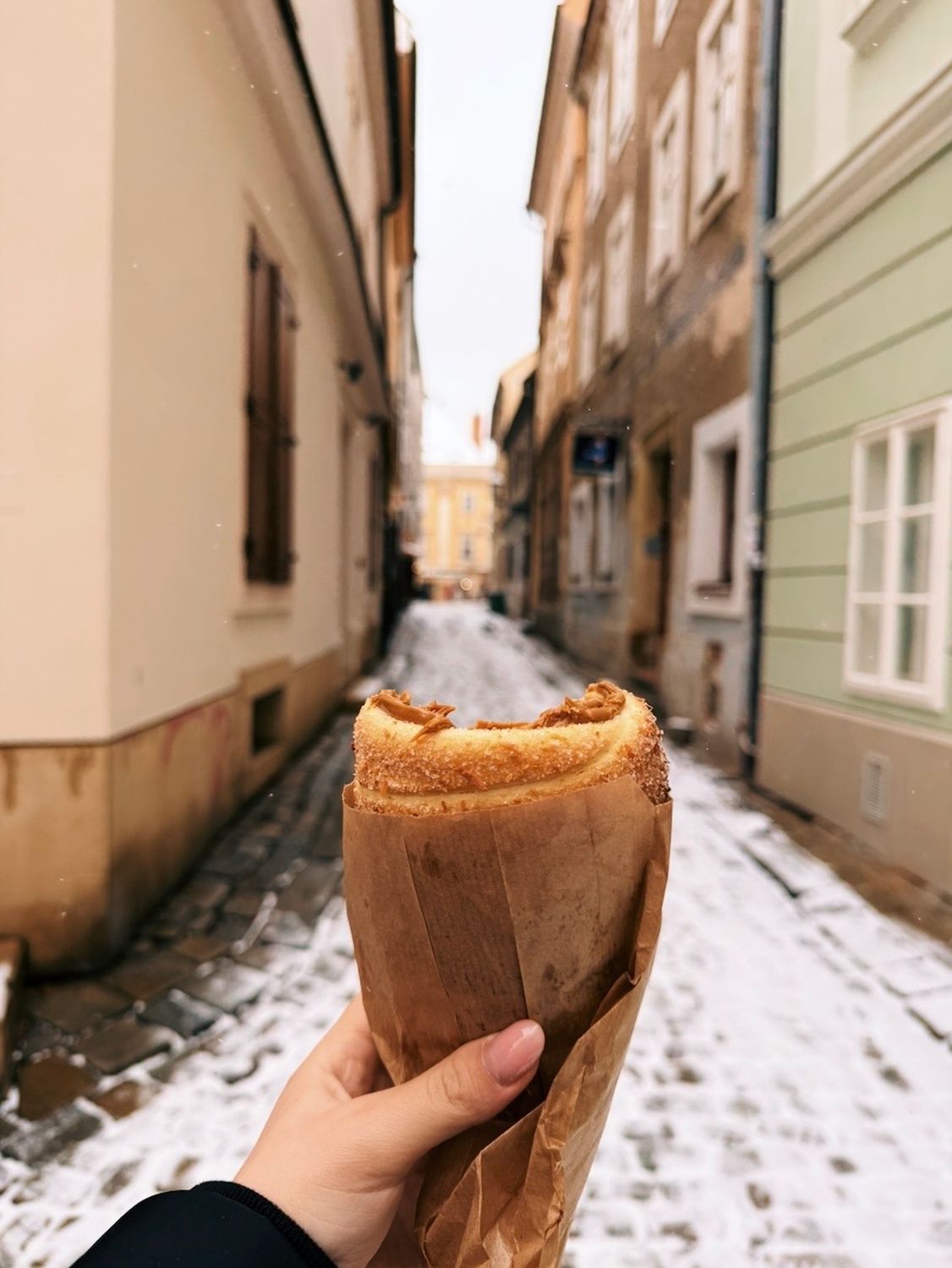
The traditional kolache is a yeast-raised pastry with an exposed center filled with fruit or sweet cheese. Apricot, prune, farmer’s cheese, and poppy seed are among its established flavors. That sausage-filled breakfast bun many Texans also call a kolache? It belongs to a related but distinct category: the klobasnek. Understanding the difference doesn’t make either one less delicious, but it makes the bakery’s story considerably more interesting.
A Czech Tradition Takes Root in Texas
The pastry’s American story begins with people looking for land and opportunity, not a clever bakery concept. According to the Southern Foodways Alliance, thousands of Czech immigrants arrived in Central Texas between the 1840s and 1910s, drawn by inexpensive land and the possibility of a fresh start. They built communities in places including West, Schulenburg, and La Grange, creating a region often described as the Texas “Czech Belt.” Their food traditions came with them.
The kolache’s roots trace back to Moravia, a historical region now part of the Czech Republic. In Texas, it became one of the most enduring connections between immigrant families and their European heritage. The Southern Foodways Alliance places the pastry alongside other lasting expressions of Czech community life, including painted churches, polka dances, and shared meals. It wasn’t just a sweet on a plate; it belonged to a broader cultural inheritance.
“Kolaches are part of our identity,” Texas-Czech food researcher and lay folklorist Dawn Orsak told Texas Monthly. “In the same way that Italians would be proud of the way their mom made ravioli, or Mexican Americans, the way their mom made sopaipillas.” That comparison helps explain why discussions about fillings and dough can become personal. For families who grew up making them, kolaches carry memories and standards that reach well beyond breakfast.
Yet preservation did not leave the pastry unchanged. Smithsonian reported that Texas versions developed lighter, more bread-like dough and included rectangular shapes alongside round ones. Fillings evolved, too: sauerkraut became part of the Texas-Czech repertoire, building on older recipes that used sweetened cabbage. The story is therefore not a simple contest between an untouched original and modern invention. Adaptation has long shaped the pastry in Texas.
The Sausage Twist Came With a Different Name
Here is where the breakfast order gets complicated. The sausage-filled pastry commonly sold as a “kolache” is traditionally called a klobasnek, with klobasniky as the plural. It uses the same semisweet yeast dough as its fruit-filled relative but wraps the dough around sausage rather than topping it with a sweet filling. Both belong to the Texas-Czech food story, but treating their names as interchangeable can obscure how that story developed.
Wendel Montgomery of Village Bakery in West is widely credited with creating the Texas klobasnek, though that attribution shouldn’t be mistaken for an undisputed account of every sausage pastry’s origins. Texas Monthly reported that Wendel and Georgia Montgomery founded the bakery in 1952 and added the sausage creation in 1953. Their daughter, Mimi Montgomery Irwin, described its inspiration as a meeting between a familiar American hot dog and the bakery’s existing enclosed poppy seed pastry.
“My dad saw someone eating a hot dog, and it dawned on him,” Irwin told the magazine. “‘We’ll just take the kolache dough and put the little cut sausage in it and wrap it.’” The idea proved adaptable, but she emphasized that her father considered it a separate creation. “He never claimed it was the kolache,” she said. The distinction was part of the invention, not a technicality later pastry purists added.
Commercial expansion helped blur those names. Kolache Factory began serving Houston customers in 1982, and Texas Monthly reported that the chain sold both varieties without maintaining the distinction in its branding. By the 1990s, sausage-filled versions were spreading across the state. Cookbook author Lisa Fain offered one explanation for their appeal: “The sweet kolache is very similar to other pastries that are available, like Danish, whereas the pig-in-a-blanket thing is kind of unique.”
Related:12 Old-Fashioned Foods Your Grandma Made That You Rarely See on Dinner Tables Today
A Roadside Favorite With More Than One Future
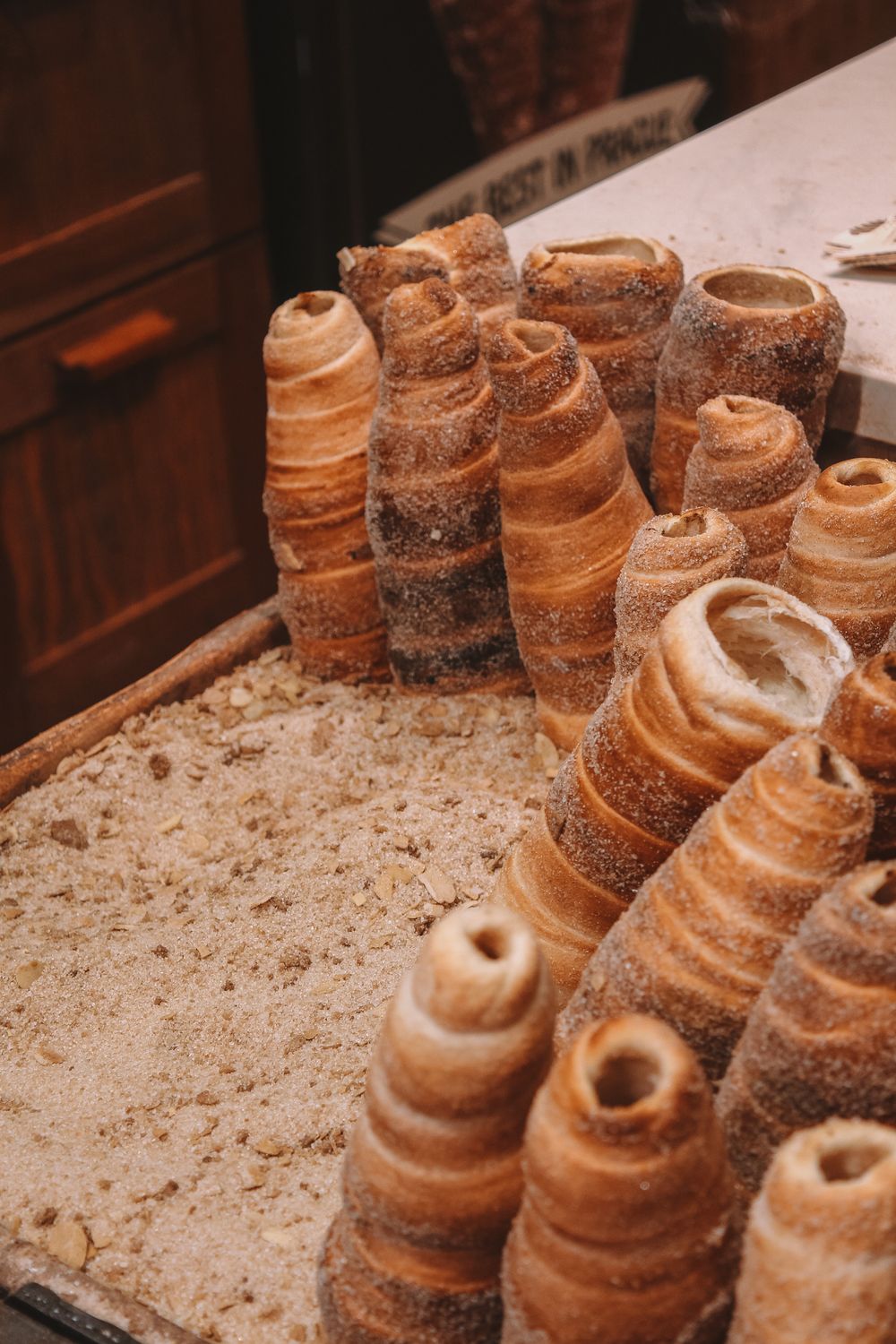
As the pastries moved beyond family kitchens, roadside bakeries helped make them accessible to a wider audience. The Southern Foodways Alliance identifies Hruska’s in Ellinger as one of the stops that turned kolaches into beloved highway snacks. Smithsonian likewise documented the shift from special-occasion baking to treats available at bakeries and gas stations. A food once closely tied to home and community gatherings became something travelers could pick up along the way.
Wider popularity also brought more interpretations, and not everyone draws the same boundaries. The Southern Foodways Alliance’s oral histories capture both concern about preserving scratch-baking skills and enthusiasm for new approaches. Austin-based pitmaster Amelis Paz-Kerlin defended broader use of the kolache name with a pointed comparison: “New York style pizza is still pizza.” Meanwhile, longtime Texas-Czech baker Lydia Mae Faust described scratch baking as “a dying art,” underscoring a different worry about the pastry’s future.
Those perspectives reveal what makes the Texas kolache more than a breakfast trend. It is simultaneously an immigrant inheritance, a regional comfort food, and a pastry that newer bakers continue to reinterpret. For anyone approaching the bakery counter, the distinction remains straightforward: a fruit- or sweet-cheese-filled kolache and a sausage-wrapped klobasnek tell related but different stories. Knowing both names gives those who carried, preserved, and adapted those traditions a place at the table.