7 of America’s Oldest Candy Stores That Still Keep Sweet Traditions Alive
7 of America’s Oldest Candy Stores That Still Keep Sweet Traditions Alive
Some candy stores are more than places to buy chocolate, fudge, and peppermint sticks. They are living pieces of American history, where recipes passed down through generations continue to delight customers. While modern candy brands compete with colorful packaging and new flavors, these historic businesses have spent more than a century proving that traditional sweets never completely go out of style.
From handcrafted candy canes to old-fashioned chocolate creams, these establishments have preserved the flavors and techniques that helped shape America’s confectionery industry. Some have survived ownership changes, while others remain connected to the families that built them. Here are seven historic candy businesses whose stories are just as memorable as their sweets.
Ye Olde Pepper Candy Companie: Making Candy Since 1806
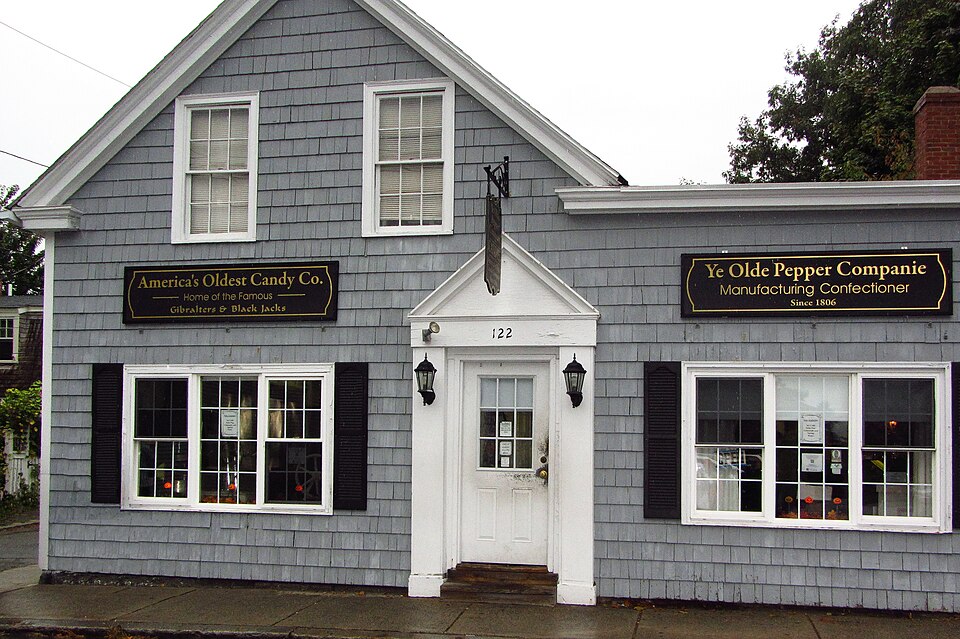
Imagine enjoying a piece of candy made from a recipe that dates back more than 200 years. That’s part of the appeal of Ye Olde Pepper Candy Company, which traces its history to 1806. The business identifies itself as America’s oldest candy company and remains known for its traditional handmade confections.
Its signature treats include Gibralters, available in peppermint and lemon flavors, and Black Jacks, which are made with blackstrap molasses. According to the company’s official history, Mary Spencer sold Gibralters during the early 1800s, while John Pepper is credited with creating Black Jacks. Both candies became central to the business’s identity.
Around the beginning of the 20th century, George Burkinshaw purchased the company and its historic recipes. His family continued the business and preserved the traditional candy-making methods. Today, the fourth generation carries on a legacy that began long before modern candy bars became household favorites.
Wittich’s Candy Shop: A Family Tradition Since 1840
Few candy businesses can claim a history stretching back to the 1840s. Wittich’s Candy Shop began in 1840 under founder G.F. Wittich and has remained in the same family for generations. The shop is widely recognized as one of America’s oldest family-owned confectioneries.
According to Ohio Magazine, many of Wittich’s traditional chocolate and mint recipes date to the early 1900s. Its selection includes handmade chocolates, caramels, creams, and Buckeyes, the familiar peanut butter-and-chocolate treat. The company also maintains an old-fashioned soda fountain, adding another nostalgic touch to its shopping experience.
What makes Wittich’s particularly interesting is its commitment to traditional production methods. Hand-dipped chocolates remain central to its identity, even as large-scale candy manufacturing has become increasingly automated. For customers who appreciate classic confections, that dedication to craftsmanship is part of the attraction.
Shane Confectionery: Keeping Historic Chocolate-Making Alive Since 1863
Shane Confectionery offers something increasingly rare: a candy business with a documented history of continuous confectionery operations dating to 1863. The establishment is recognized for preserving traditional chocolate-making techniques while incorporating modern sourcing practices. Its historic character remains central to the customer experience.
One of its best-known specialties is chocolate-covered buttercream candy. According to Shane Confectionery, the business still uses a century-old Shane family recipe and historic equipment to make these treats. The company also produces chocolate from responsibly sourced cacao beans and emphasizes small-batch craftsmanship.
The business has changed hands over time, but its connection to traditional confectionery remains strong. The Berley brothers acquired Shane in 2010 and worked to restore its historic equipment and surroundings. Their efforts helped preserve an important chapter of American candy-making history while introducing its products to new customers.
Doscher’s Candy: Handcrafting Candy Canes Since 1871

Candy canes are a holiday staple, and Doscher’s Candy has made them for generations. Founder Claus Doscher began producing handcrafted candy canes in 1871, establishing a tradition that continues today. The company remains closely associated with its distinctive peppermint treats.
According to Doscher’s official history, the process uses real peppermint oil, copper kettles, and hands-on techniques to shape the candy. Workers roll, knead, stripe, and hook the canes using methods inspired by the original production process. The company describes its finished candy canes as having a distinctive chewy and airy texture.
Doscher’s also produces French Chew, a chewy, nougat-like confection developed by its founder. Other offerings include candy buttons and traditional hard candies. Its continued emphasis on handcrafted sweets shows how a familiar holiday favorite can become the foundation of a long-lasting business.
Schimpff’s Confectionery: Famous for Cinnamon Red Hots Since 1891
Schimpff’s Confectionery combines candy-making history with the atmosphere of an old-fashioned sweets shop. The business traces its origins to 1891, when Gustav Schimpff Sr. and his son founded the confectionery. Its reputation rests on traditional recipes and a commitment to preserving vintage production equipment.
Its signature Cinnamon Red Hots have been produced since the business opened. According to Schimpff’s, the original recipe comes from a handwritten recipe book belonging to Gustav Schimpff Sr. Customers can also find Modjeskas, which feature marshmallow covered in caramel, along with handmade chocolates and other traditional treats.
The shop’s historic appeal extends beyond its candy selection. It features a vintage-style soda fountain, a candy museum, and equipment used for candy-making demonstrations. These details let visitors appreciate the craftsmanship behind sweets that have remained popular for generations.
Chutters: Home to a Record-Breaking Candy Counter
Chutters has been a familiar name in traditional retail since the late 1800s. Originally associated with Frederick George Chutter, the general store developed into a destination for people seeking an enormous assortment of sweets. Its biggest attraction has earned international recognition.
According to Guinness World Records, Chutters holds the record for the world’s longest continuous candy counter, measuring 111 feet and 11 inches. The impressive display stretches through the store, with rows of colorful candy containers. Customers can choose from traditional hard candies, chocolates, gummies, licorice, and other nostalgic favorites.
Chutters also offers fudge and candy selections for celebrations and special occasions. Its enormous counter transforms an ordinary shopping trip into an experience centered on exploration and choice. For anyone who remembers filling a bag with assorted childhood favorites, the concept has an undeniable nostalgic appeal.
Canelake’s Candies: Preserving Handmade Chocolates Since 1905
Canelake’s Candies began in 1905 when four brothers, Christ, Gust, Tom, and Nick Canelake, established a confectionery business. Over the following decades, the company developed a reputation for handmade chocolates and traditional candy-making techniques. Its family history remains an important part of the business.
According to Canelake’s official website, its original recipes still guide production, with candies made in small batches in copper kettles. The company also features an old-fashioned soda fountain and a candy museum. These attractions help preserve the story of a business that has been making sweets for more than a century.
The Canelake family regained ownership of the original business in 2018, bringing another chapter of its history full circle. Today, its handmade chocolates and traditional confections continue the family legacy. It reminds us that old recipes can stay meaningful long after their creators are gone.
Why These Historic Candy Stores Still Matter
These seven businesses represent more than America’s enduring appetite for sweets. They preserve traditional recipes, historic equipment, family stories, and shopping experiences that connect generations of customers. Their survival demonstrates how craftsmanship and nostalgia can remain valuable even in an industry dominated by mass-produced products.
The next time you unwrap a peppermint candy or enjoy a chocolate cream, consider the history behind those familiar flavors. Some of America’s sweetest traditions have been carefully preserved for more than a century. These historic candy businesses continue to give customers a taste of that past.
Other articles you may like:
– 9-things-you-should-never-do-when-handing-out-halloween-candy/
– 6-top-halloween-candy-picks-for-trick-or-treaters/
– candy-bars-from-the-70s-that-disappeared-but-never-left-americans-memories/