Is Your Home Making You Sick? 8 Things You Might Be Neglecting
Your home should feel safe and comfortable. But hidden dust, excess moisture, and overlooked household items could be affecting your health without you realizing it.
You might vacuum your floors, wash your dishes, and wipe down your kitchen counters regularly, yet still overlook areas that affect the air you breathe and the surfaces you touch every day.
From damp bathroom corners to dirty air filters, certain household problems can contribute to allergies, respiratory irritation, headaches, and other unpleasant symptoms. In some cases, the connection is obvious. In others, you need to look more closely at your surroundings to identify a possible trigger.
That does not necessarily mean your home is making you sick. Many symptoms have multiple causes, and household conditions are only one possibility. However, keeping your living space clean, dry, and well-ventilated can reduce several common environmental risks.
Here are eight things you might be neglecting around your home and why they deserve your attention.
Hidden Mold in Bathrooms and Damp Corners
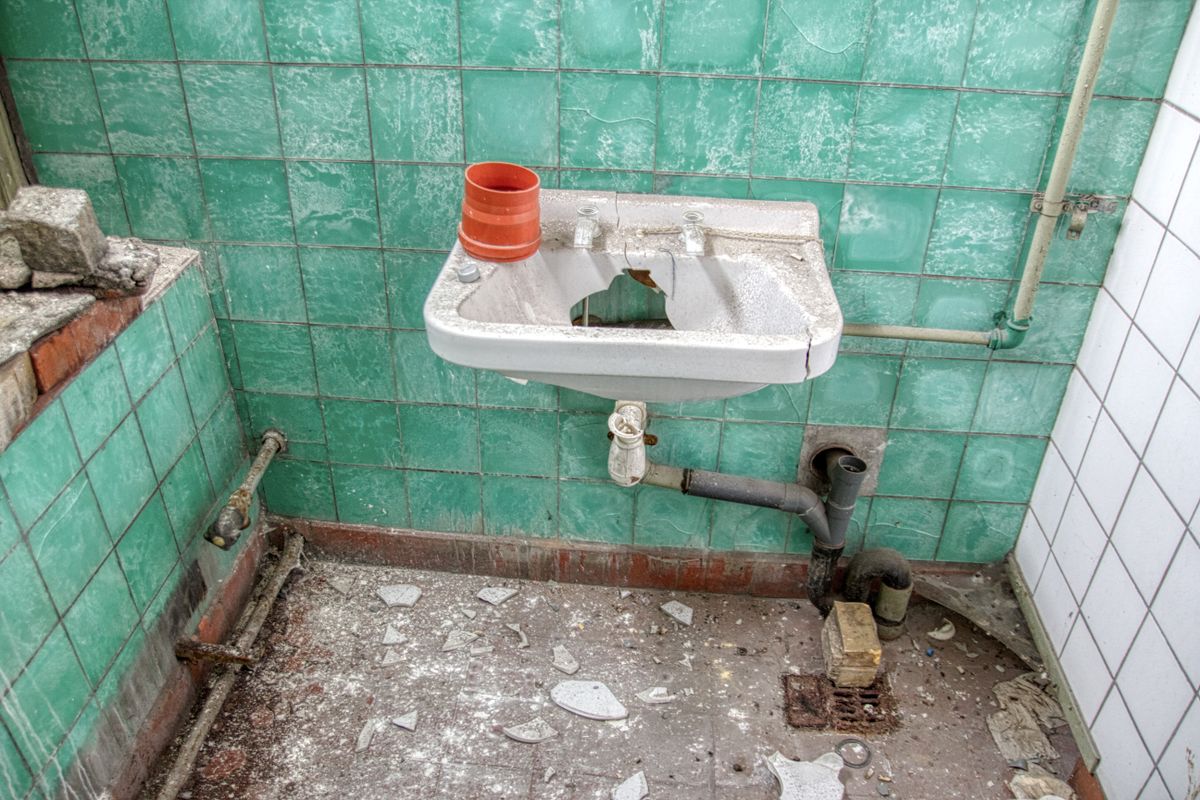
Mold is one of the first things worth checking when investigating a damp home.
Bathrooms, laundry rooms, kitchen cabinets, and areas around leaking pipes can provide the moisture mold needs to grow. Sometimes, the problem appears as dark spots on walls or ceilings. In other cases, it hides behind furniture, under sinks, or around window frames.
Mold exposure can cause allergic reactions, including sneezing, a runny nose, itchy eyes, and skin irritation. It may also worsen asthma symptoms in sensitive individuals.
The best approach is to address the moisture rather than simply covering up visible mold. Repair leaking pipes, improve bathroom ventilation, and dry wet areas promptly.
For small areas of mold on suitable surfaces, you may be able to clean it using appropriate protective equipment and the right method. Extensive growth, recurring mold, or contamination from sewage or significant water damage may require professional help.
Never mix bleach with ammonia or other cleaning products. If you suspect mold is affecting your health, especially if you have asthma or another respiratory condition, talk to a healthcare professional.
Dusty Fans and Air-Conditioning Filters
Ceiling fans, standing fans, and air-conditioning systems can collect dust over time. When fans operate, some accumulated dust may become airborne, especially if the blades and surrounding surfaces are dirty.
For people sensitive to dust, pollen, or other airborne particles, this can cause sneezing, congestion, and eye irritation.
Air-conditioning filters also deserve attention. Depending on the system, a clogged filter may restrict airflow and reduce performance. Filters that are not maintained properly may also allow dust to accumulate within the system.
Check your manufacturer’s instructions to determine how often to clean or replace filters. Switch off the equipment before cleaning it, and avoid disturbing heavy dust unnecessarily.
Wipe fan blades with a damp cloth instead of simply brushing dust into the air. Regularly clean nearby shelves, vents, and other surfaces to help reduce household dust.
Remember that not all air-conditioning filters are designed to remove the same pollutants. Choose the correct filter for your system and replace it according to the manufacturer’s recommendations.
Related Posts:8 Places Dust Hides in Your Home Even When Everything Looks Clean
Dirty Bedding, Pillows, and Mattresses
You spend several hours in bed every night, but how often do you clean everything beyond the sheets?
Pillows, mattresses, blankets, and comforters can collect sweat, skin flakes, dust, and other debris. Dust mites may also thrive in bedding, especially in high-humidity environments.
For people with dust mite allergies, exposure can trigger sneezing, a blocked nose, itchy eyes, or worsening asthma symptoms. However, not everyone who sleeps in a dusty bedroom will experience health problems.
Wash sheets and pillowcases regularly, following their care instructions. Clean blankets and comforters as recommended, and consider allergen-resistant pillow and mattress covers if dust mite allergies are a concern.
Vacuum mattresses when appropriate, and let bedding dry thoroughly after washing.
If you wake up congested every morning, notice whether your symptoms improve when you spend time away from your bedroom. This observation may help you identify a possible environmental trigger, although it cannot establish the cause on its own.
Poor Ventilation and Stale Indoor Air
Keeping windows and doors closed can make a home feel secure and comfortable, but poor ventilation may let moisture, odors, and indoor pollutants build up.
Cooking, cleaning, bathing, and using certain household products can release particles or chemicals into indoor air. Without adequate ventilation, these pollutants may remain indoors longer.
Poor ventilation can also increase humidity, raising the likelihood of mold growth.
Whenever outdoor conditions allow, bring in fresh air by opening windows or using suitable ventilation systems. Use kitchen exhaust fans that vent outdoors when cooking, and, if available, run bathroom exhaust fans during and after showers.
Be mindful of outdoor pollution, smoke, and other conditions that could make opening windows unsuitable.
Avoid using air fresheners to cover persistent odors. For example, a musty smell may indicate moisture problems that need investigation rather than masking.
Improving ventilation is a practical way to support a healthier indoor environment, especially in rooms where cooking, bathing, or cleaning happens frequently.
Household Cleaning Products Used Incorrectly
Cleaning products help keep a home hygienic, but using them incorrectly can create avoidable health risks.
Strong fumes from certain products may irritate the eyes, nose, throat, and lungs. People with asthma or chemical sensitivities may be particularly affected.
Mixing cleaning chemicals is especially dangerous. Combining bleach with ammonia can produce toxic gases, while mixing bleach with acidic products can release chlorine gas.
Always read product labels, use the recommended amount, and ensure adequate ventilation. Wear protective equipment when instructed, and keep products away from children and pets.
Avoid spraying chemicals directly into the air unnecessarily or using more product than recommended. Use disinfectants only on approved surfaces and according to their instructions.
If you develop coughing, breathing difficulties, dizziness, or strong irritation after using a cleaning product, move away from the exposure and seek appropriate medical or poison-control guidance. Severe breathing problems require emergency medical attention.
A clean home should not come at the expense of your ability to breathe comfortably.
Kitchen Sponges and Reusable Cleaning Cloths
Kitchen sponges and damp cleaning cloths can become contaminated with microorganisms as they collect food residue and moisture.
Using the same cloth to wipe raw meat juices, countertops, and other kitchen surfaces can spread contamination rather than remove it.
This matters because harmful microorganisms can cause foodborne illness if they reach food or food-contact surfaces.
Replace worn or persistently smelly sponges, wash reusable cloths frequently, and allow them to dry between uses. Follow suitable laundering instructions, and use separate cloths for kitchen surfaces, bathrooms, and other cleaning tasks.
After preparing raw meat, poultry, or seafood, clean and sanitize appropriate food-contact surfaces using an approved method.
Don’t assume a sponge is safe just because it looks clean. Regular replacement and proper cleaning practices are more reliable than appearance alone.
These small changes can help reduce cross-contamination in one of your home’s busiest areas.
Leaking Pipes and Excess Indoor Humidity
A small leak under a sink or behind a washing machine may seem harmless, especially when the water is not visible from the main living area.
However, persistent moisture can damage building materials, encourage mold growth, and attract certain pests.
Watch for water stains, peeling paint, bubbling wallpaper, musty odors, and unexplained increases in water use. These can signal a hidden plumbing problem or moisture intrusion.
Repair leaks promptly and dry wet materials as quickly as possible. If water has soaked into walls, flooring, or insulation, you may need additional assessment.
Where humidity is consistently high, a dehumidifier or improved ventilation may help. When practical, an indoor relative humidity level of around 30% to 50% is commonly recommended, though appropriate levels depend on the climate and building conditions.
Do not ignore recurring dampness just because the affected area looks small. Finding and fixing the source is usually more effective than repeatedly cleaning the visible signs.
Smoke, Carbon Monoxide, and Other Invisible Hazards
Some of the most serious household health risks cannot be detected by looking around a room.
Tobacco smoke, smoke from poorly vented cooking or heating equipment, and certain airborne pollutants can affect indoor air quality. Carbon monoxide is especially dangerous because it is colorless and odorless.
Faulty fuel-burning appliances, generators operated in enclosed or poorly ventilated spaces, and vehicle exhaust entering an attached garage can create carbon monoxide hazards.
Install functioning carbon monoxide alarms where recommended by local safety guidance, particularly near sleeping areas and on appropriate levels of the home. Maintain fuel-burning appliances and ensure they are properly vented.
Never run a generator, charcoal grill, or fuel-burning camping stove indoors or in an enclosed garage, even with windows open.
If a carbon monoxide alarm sounds, or several people in the home suddenly develop headaches, dizziness, nausea, or confusion, leave immediately for fresh air and contact emergency services. Do not re-enter until authorities say it is safe.
This is one household problem where prevention can be lifesaving.
Simple Steps Toward a Healthier Home
You do not need to deep-clean every room every day to improve your home’s environment. Start with the areas most likely to affect your household.
- Check for leaks, dampness, and visible mold.
- Clean fans and maintain air-conditioning filters.
- Wash bedding and reusable cleaning cloths regularly.
- Ventilate rooms appropriately when cooking, bathing, and cleaning.
- Follow chemical safety instructions and never mix cleaning products.
- Install and maintain appropriate smoke and carbon monoxide alarms.
Posts You Might Like:
6 Essential Monthly Cleaning Tasks That Make Your Home Shine