What Is Nutritional Yeast and How Do You Use It?
If you’ve ever spotted a container of yellow flakes in the grocery store and wondered what to do with it, you’re not alone. Nutritional yeast might not look particularly exciting, but its rich, cheesy flavor makes it a surprisingly useful kitchen ingredient. From buttery popcorn to creamy pasta sauces, this plant-based seasoning can add a savory twist to everyday meals.
Commonly called “nooch,” nutritional yeast has long been popular in vegan cooking because it delivers a cheese-like taste without containing dairy. However, you don’t have to follow a plant-based diet to enjoy it. Its versatility makes it worth considering whether you’re preparing a meat-free dinner or simply looking for something different to sprinkle over your favorite snacks.
What Exactly Is Nutritional Yeast?
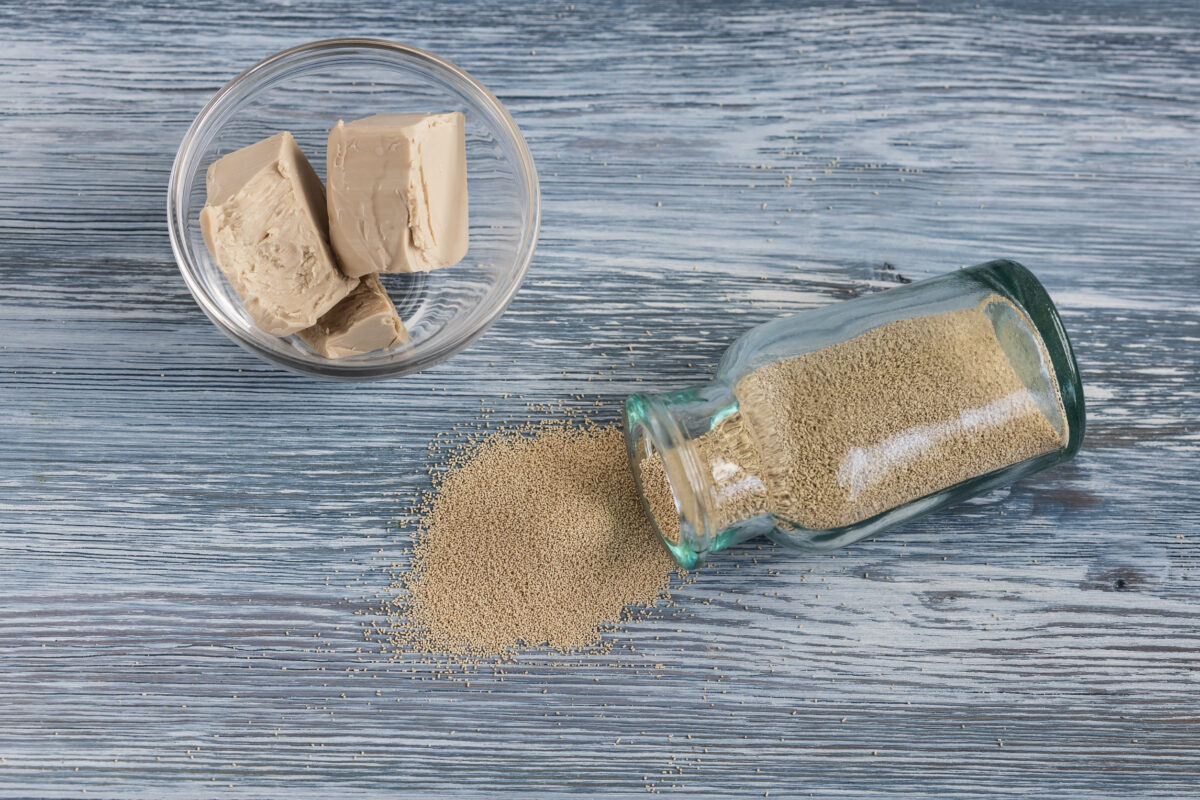
Nutritional yeast is made from Saccharomyces cerevisiae, the same yeast species used in baking and brewing. Unlike baker’s yeast, nutritional yeast is deactivated during processing, so the yeast cells are no longer alive. As a result, it cannot make bread dough rise and is used primarily as a seasoning or cooking ingredient.
The finished product usually comes in yellow flakes, granules, or powder. It has a savory, slightly nutty flavor that many people compare to Parmesan cheese. According to the Cleveland Clinic, nutritional yeast comes in fortified and unfortified varieties, with fortified versions containing added nutrients.
How Is Nutritional Yeast Made?
Production begins by growing yeast in a nutrient-rich environment containing sugars, commonly supplied by molasses. As the yeast consumes these sugars, it multiplies, producing more yeast cells. Manufacturers then harvest the yeast, heat-inactivate it, and dry it into a finished product.
The dried yeast is processed into flakes, granules, or powder, depending on the manufacturer’s preferred format. Some producers also add vitamins to create fortified varieties. The result is a shelf-stable seasoning you can add directly to food without the preparation active baking yeast requires.
What Does Nutritional Yeast Taste Like?
Imagine the savory flavor of grated Parmesan cheese mixed with a slightly nutty, toasted taste. That’s a reasonable starting point for describing nutritional yeast, although it doesn’t taste exactly like traditional cheese. Its defining characteristic is umami, the rich, savory quality associated with foods such as mushrooms, aged cheese, and soy sauce.
This flavor makes nutritional yeast especially useful when a dish needs depth without extra cheese. A small sprinkle can transform plain popcorn, while a larger amount can add depth to creamy sauces. Because its flavor is distinctive, start with a modest amount so you can adjust to how much you enjoy it.
Related: never-buy-these-8-foods-again-theyre-cheaper-to-make-at-home/
How to Use Nutritional Yeast in Everyday Cooking
One of the easiest ways to try nutritional yeast is to sprinkle it over freshly prepared popcorn. Its cheesy flavor pairs especially well with popcorn that has been lightly coated with butter or oil. You can also combine it with other seasonings, such as garlic powder or paprika, to create a customized popcorn topping.
Pasta is another excellent place to experiment with nutritional yeast. Instead of reaching for Parmesan, try sprinkling some over spaghetti, macaroni, or a bowl of pasta with tomato sauce. It also works as a finishing seasoning for roasted potatoes, steamed vegetables, salads, and soups.
Nutritional yeast is especially useful in dairy-free cheese sauce recipes. You can blend it with cashews, plant-based milk, or other sauce bases to create a creamy, savory mixture. Home cooks commonly use it in vegan macaroni and cheese, queso-style dips, and dairy-free Alfredo sauces.
It can also bring extra flavor to tofu scrambles, vegetable casseroles, and homemade salad dressings. Some recipes incorporate it into breadcrumbs or coatings for baked vegetables. Its flexibility lets you experiment with dishes you already make rather than learning an entirely new cooking technique.
What Nutrients Does It Contain?
Nutritional yeast contains protein, and some varieties are fortified with B vitamins, including vitamin B12. However, nutritional content varies by brand, so the label matters more than general claims. Unfortified nutritional yeast should not be assumed to provide a reliable source of vitamin B12.
For example, the nutrition label for Bob’s Red Mill Large Flake Nutritional Yeast lists 60 calories, eight grams of protein, and 17.6 micrograms of vitamin B12 per quarter-cup serving. That B12 amount represents 730% of the listed Daily Value. These figures apply to that particular product and serving size, not every nutritional yeast brand.
Where Can You Buy Nutritional Yeast?
You can find nutritional yeast at many grocery retailers, specialty food stores, and online sellers. Commonly sold brands include Bragg, Bob’s Red Mill, Red Star, and KAL. Depending on the store, you may find it near seasonings, baking ingredients, or specialty plant-based foods.
Packaging varies, with products sold in resealable bags, jars, and shaker-style containers. Before buying, check whether the product is fortified, especially if vitamin B12 content matters to you. Comparing serving sizes and ingredient labels also helps you understand what you’re purchasing.
How Should You Store Nutritional Yeast?
Store nutritional yeast in a cool, dry place, not in the fridge. Keeping the package tightly closed helps protect the flakes or powder from moisture. Bob’s Red Mill’s storage instructions also recommend cool, dry conditions and a sealed container to maintain freshness.
If the original packaging doesn’t close securely, transferring the product to an airtight container is a practical alternative. Keep it away from moisture and excessive heat, and follow the manufacturer’s best-by date. With proper storage, you can keep nutritional yeast conveniently available whenever your next dish needs a little extra savory flavor.
Other articles you may like:
– 6-exotic-fruits-that-offer-exceptional-nutritional-benefits/
– the-real-detox-upgrade-is-whole-fruit-try-these-7-options/