Grandma Was Right: 7 Low-Tech Kitchen Tricks That Can Save You Another Gadget
A rolling pin can crush cookie crumbs, a teaspoon can peel ginger, and a tightly sealed jar can mix salad dressing without a blender. These familiar kitchen methods still deserve space alongside modern appliances, not because electricity ruins dinner, but because a simple tool can sometimes offer better control, less cleanup or one less purchase. Several remain recommended by professional recipe developers and established cooking publications.
“Grandma tricks” is affectionate shorthand here, not a claim that every grandmother used these methods or invented them. Nor has every technique beaten every gadget in a head-to-head test. The real advantage is practicality: choosing the simplest tool that suits the task. These seven methods show where an old-school approach still makes sense, and where its limitations are worth knowing before you unplug anything.
Three Tricks That Keep Baking Simple
Crush Cookie Crumbs With a Rolling Pin
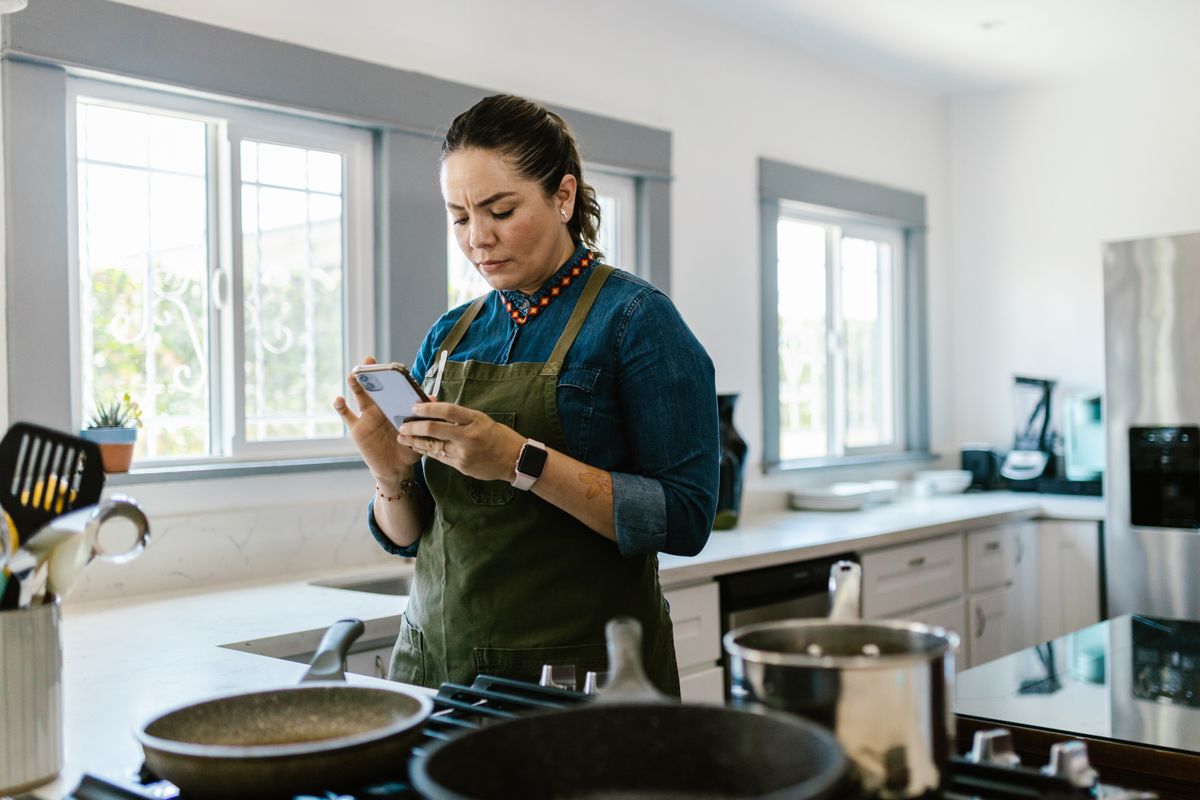
For a cheesecake or cookie-crumb crust, put the cookies in a strong, clean food-safe bag and crush them with a rolling pin. Good Food includes this method alongside its food-processor alternative. You can see and feel the crumbs getting smaller, then mix them with melted butter according to your chosen recipe. The advantage is straightforward: no processor bowl, lid or blade to wash afterward.
Use the method when you want manageable crumbs rather than an exceptionally fine powder. Check for unbroken pieces before mixing, and do not mistake a few enthusiastic whacks for a guarantee of even results. Good Food also recommends pressing the finished mixture into the pan with a straight-sided glass. That gives an everyday drinking glass a second job without requiring a dedicated crust tamper.
Grate Cold Butter Instead of Processing It
A box grater can turn cold butter into small pieces for biscuits and other flaky bakes. King Arthur Baking describes this as an easier, less messy alternative to working cubes into flour by hand or with a pastry cutter. The important part is keeping the butter cold, so it remains in distinct pieces rather than disappearing into a greasy paste before baking.
King Arthur recipe developer Sarah Jampel recommends grating refrigerated butter, then freezing the shreds for 10 to 15 minutes to firm them before adding them to dough. Follow a recipe that supports the technique rather than assuming every dough needs grated butter. It replaces one preparation step, not the need for correct ingredient quantities, gentle handling and the recipe’s intended mixing method.
Work Pastry Butter Into Flour With Your Fingertips
You do not need a food processor to make shortcrust pastry. Good Food’s Miriam Nice recommends coating cold butter pieces in flour and breaking them down with your fingertips. King Arthur’s pie-crust guide likewise permits fingers, a pastry cutter or a stand mixer. Hand mixing gives you direct feedback about the size of the butter pieces instead of asking you to judge everything through a processor lid.
The limitation is temperature: prolonged handling can warm the butter. Work promptly and follow your recipe’s texture instructions, since some pastries call for finer crumbs while others retain larger pieces. King Arthur’s guide cautions, “Don’t be too thorough; the mixtadding ure shoul uneven, with big chunks of butter in among the smaller ones.” More mixing is not automatically better pastry.
Two Everyday Shortcuts Hiding in the Drawer
Shake Vinaigrette in a Jar
For a small batch of vinaigrette, a clean jar with a tightly fitting lid can do the mixing and storing. Serious Eats’ recipe allows you to combine the ingredients in the jar, seal it and shake vigorously until emulsified. Martha Stewart’s version makes the same practical case: “No bowl or utensils are needed,” and the dressing stays in that jar in the refrigerator.
This is particularly useful when you want dressing without assembling a blender for a modest quantity. It does not mean a shaken dressing will never separate; shake again when needed and follow the storage guidance for your specific recipe. Serious Eats’ shallot-and-garlic version keeps refrigerated for up to one week. Do not transfer that timeline automatically to every homemade dressing with different ingredients.
Peel Ginger With a Teaspoon
A teaspoon’s edge can scrape away ginger’s thin skin while navigating its uneven shape.Good Housekeeping recommends cutting off only the amount you need, trimming awkward small protrusions if necessary, then scraping with the spoon. The publication notes that this offers more control than a knife or peeler and helps leave more usable ginger behind. No specialized ginger tool is required.
Allrecipes recommends holding the spoon bowl-side down and drawing its tip across the surface. Work deliberately rather than trying to remove thick slices as though peeling a potato. This is a peeling trick, not a chopping method: once the skin is off, you still need to grate, slice or mince the ginger as your recipe requires. One ordinary utensil solves one specific problem.
Related: 13 Things You Probably Remember From an ’80s Kitchen
Two Methods Where Gentler Handling Pays Off
Mash Potatoes by Hand
For classic mashed potatoes, a potato masher gives you control without rapidly processing the starch. The Kitchn’s advice is emphatic: “First, never use a blender or food processor to whip them!” Food Network explains that the processor’s sharp blade can break down potato cells and produce a gluey texture. An appliance designed to make food smooth can therefore work against the result you wanted.
Choose the hand tool according to your preferred finish. A masher suits a more textured result; a ricer or food mill produces smoother, fluffier potatoes. Even a fork can work for a small quantity,although Food Network warns that larger batches become laborious. This is not a contest to make cooking harder, it is about avoiding aggressive processing when gentler handling delivers the desired texture.
Cool Custard in an Ice Bath
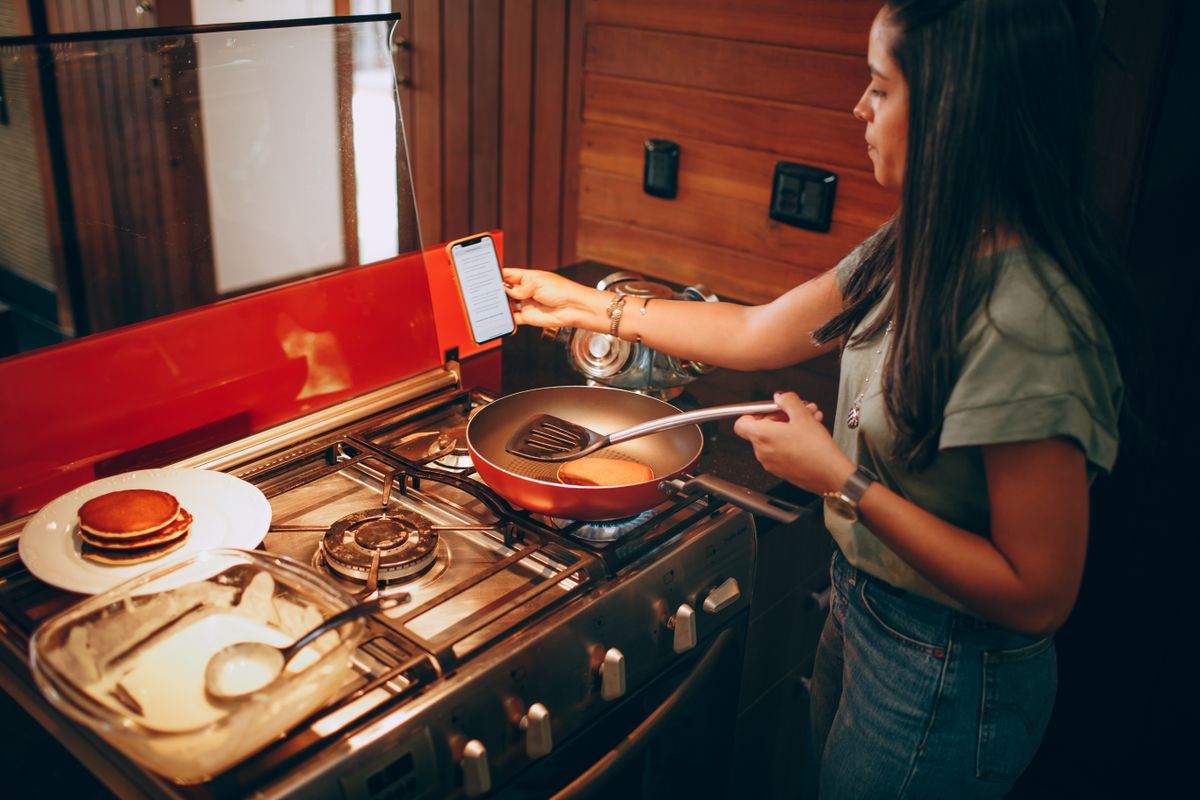
A bowl of ice water offers a simple way to cool freshly cooked pastry cream before refrigeration. BBC Food’s recipe directs cooks to transfer the cream to a clean bowl, then sit that bowl inside a larger bowl of ice water. The cold water surrounds the container; it is not an ingredient to stir into the custard. Keep it from splashing over the rim.
This method does not replace refrigeration, and it is not permission to leave an egg-and-milk mixture on the counter indefinitely. Its job is to help move a hot preparation toward the cooled state specified by the recipe, after which it goes into the refrigerator. That captures the best of these old-school tricks: not rejecting useful technology, but knowing when a spoon, jar, grater or bowl already does the job.