7 Reasons Buying Kitchen Supplies in Bulk Can Backfire
Imagine walking through a grocery store and spotting a large multipack of pantry staples that appears to offer better value than buying smaller packages.
It seems like a sensible way to stock your kitchen, especially when you want to make your grocery budget go further. But before adding that oversized package to your cart, consider whether the purchase actually fits your household’s needs.
Buying kitchen supplies in bulk can be practical when you regularly use the products, get a competitive unit price, and have enough storage space. However, groceries, pantry ingredients, and everyday kitchen consumables can become less economical when the quantity, price, or storage requirements do not work in your favor.
Here are seven reasons buying in bulk deserves a closer look.
You May Buy More Than You Can Use
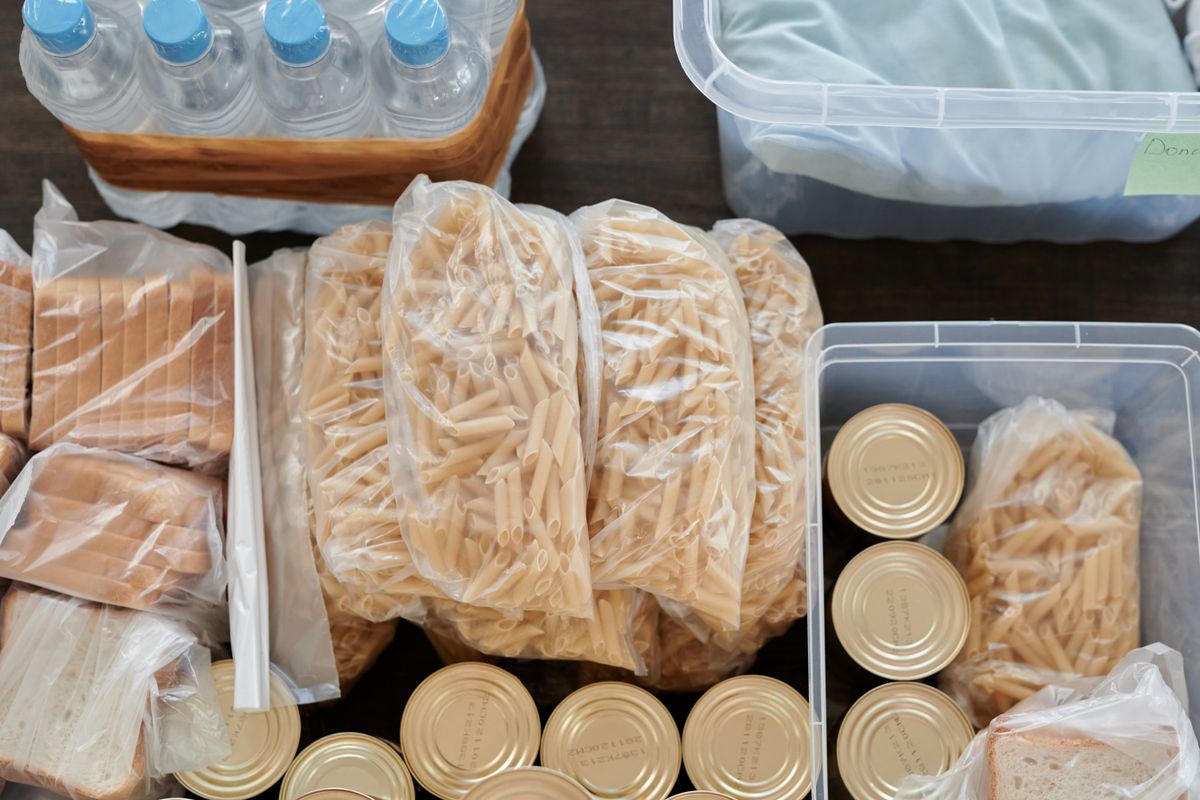
A large package can look like a bargain until you realize how much of its contents your household actually uses. If you cook with a particular ingredient occasionally rather than regularly, buying a much larger quantity may leave you with more than you need.
The U.S. Environmental Protection Agency (EPA) recommends planning food purchases to help prevent waste. Its guidance emphasizes that buying large quantities saves money only when the food is used before it spoils. The University of Minnesota Extension offers similar advice, noting that a large package is not necessarily a bargain when its contents become stale or spoil before they are used.
Think about how often you prepare meals at home and which ingredients regularly appear on your shopping list. A smaller package may be more practical for an ingredient you use occasionally, while a larger one could make sense for a pantry staple you reach for several times a week.
A lower price per ounce is less useful if part of the purchase ends up uneaten. Before buying, consider whether the quantity matches your actual cooking routine.
The Unit Price Deserves a Closer Look
Bigger packages can offer better value, but the package size alone does not tell you whether you are getting the best deal. Comparing unit prices provides a more reliable way to evaluate different quantities and prices.
The National Institute of Standards and Technology explains in its Unit Pricing Guide that unit pricing helps shoppers compare products sold in different package sizes. The University of Minnesota Extension also recommends calculating unit prices by dividing the package price by its quantity.
For example, if you are comparing two packages of the same pantry ingredient, divide each package’s price by the amount it contains. Make sure both calculations use the same unit, such as ounces or pounds, before deciding which offers better value.
This simple check can help you avoid assuming that a larger package is automatically the better choice. It is also worth comparing equivalent products rather than treating different ingredients or specifications as interchangeable.
No particular package size guarantees the lowest unit price. Check the figures on the products available to you before making a decision.
Bulk Packages Can Take Up Valuable Storage Space
A bulk purchase might offer good value on paper but create an awkward storage problem at home. Large grocery packages and multipacks need somewhere to go, and the space available in your kitchen may not accommodate every attractive deal.
The University of Minnesota Extension recommends considering storage capacity when stocking up on regularly used sale items. That is a practical point to remember before bringing home a large quantity of pantry ingredients or everyday kitchen consumables.
Picture buying several large packages without deciding where they will fit. You might need to rearrange shelves, move other supplies, or divide items between different storage areas. These are possibilities rather than inevitable consequences, but they can make an otherwise convenient purchase less practical.
Before shopping, identify the space you can reasonably dedicate to the items you plan to buy. Consider whether you can access the supplies easily without constantly moving other things out of the way.
A discount becomes less appealing when accommodating the purchase makes your kitchen harder to organize. Buy only as much as your available storage can comfortably handle.
Related: 13 Things You Probably Remember From an ’80s Kitchen
A Lower Unit Price Can Still Mean a Bigger Checkout Bill
There is an important difference between getting a lower price per unit and paying less at the register. A larger package may offer a competitive unit price while still requiring you to spend more money upfront than you intended.
The NIST Unit Pricing Guide distinguishes the total retail price from the unit price. Both figures matter because one helps you compare value while the other tells you how much you must pay for the package today.
Suppose your shopping budget has room for a smaller package of a regularly used ingredient, but the bulk option costs more than you planned to spend on that trip. Even if the larger package offers a better price per ounce, the total checkout amount remains higher.
That does not automatically make the bulk option a poor long-term purchase. If you will use the contents and the price is competitive, paying more upfront may still make sense. The key is to distinguish a worthwhile purchase from one that stretches your current spending plan unnecessarily.
You May Commit to Something You Have Not Tried
Buying a large quantity of an unfamiliar product involves a different kind of uncertainty. You may think a new seasoning, baking ingredient, or pantry staple will become part of your regular cooking routine, but you might not enjoy using it as much as you expected.
The EPA recommends planning meals around ingredients your household enjoys. The University of Minnesota Extension similarly advises shoppers to consider their preferences and prioritize products they regularly use.
That guidance suggests a sensible approach: try an unfamiliar product in a manageable quantity before committing to a bulk supply. You can then decide whether its flavor, texture, or usefulness fits your usual meals without having to make room for a much larger quantity from the beginning.
This is especially worth considering when you are experimenting with a new recipe or changing your cooking habits. A product that sounds appealing in the store is not necessarily one you will want to use repeatedly.
Bulk buying works best when you have a reasonable basis for expecting to use what you purchase. When that is uncertain, starting small gives you more flexibility.
Hidden Stock Can Lead to Duplicate Purchases
Before buying another large package, check what is already in your kitchen. Supplies can be spread across pantry shelves, cupboards, and other storage areas, making it harder to remember exactly what you have.
The EPA recommends checking the refrigerator, freezer, and pantry before shopping to avoid buying food that is already available at home. It also advises consumers to identify existing ingredients that need to be used.
Imagine finding a good deal on a pantry staple, only to discover later that you already have an unopened package stored behind other supplies. The purchase may still be useful eventually, but it was not necessarily something you needed to buy on that particular trip.
A quick inventory check can help you make a more informed decision. Look through your existing supplies, note what needs replenishing, and add only the necessary quantities to your shopping list.
This is different from a storage problem. The issue is not whether your supplies fit in the kitchen, but whether you know what is already there before bringing home more.
Related: If You Still Have These 9 Things in Your Kitchen, You Grew Up With Practical Parents
A Discount Can Pull You Away From Your Shopping List
A bulk promotion can look tempting even when the product was not part of your original plan. You might notice a discounted multipack, decide the offer is too good to ignore, and end up buying something you did not intend to purchase.
The University of Minnesota Extension recommends using a shopping list to help control spending and avoid impulse purchases. It also advises shoppers to use coupons for products they are certain to use and to understand regular prices when evaluating advertised specials.
These suggestions offer a practical way to assess a deal. Before adding a discounted kitchen supply to your cart, ask whether you would buy it at its regular price and whether you genuinely need the quantity offered.
A familiar product can still be an unnecessary purchase if you already have enough at home. The fact that you recognize the brand or regularly use the ingredient does not mean you need another package today.
Treat a discount as a reason to compare prices, not as a reason by itself to buy. If the product does not fit your shopping plan, leaving it on the shelf may be the more useful decision.
Make Bulk Buying Work for Your Kitchen
Buying kitchen supplies in bulk is not automatically a mistake. Larger packages can make sense when you regularly use the contents, the unit price compares favorably with alternatives, and you have enough room to store them.
The smartest approach is to consider the quantity, unit price, total checkout cost, storage space, familiarity, existing inventory, and actual need before committing. A smaller package may sometimes be the more practical choice, even when the larger option initially looks attractive. Ultimately, the best purchase is the one your household can realistically use, store, and afford.