America’s Most Expensive Rental Cities in 2026: Where Renters Are Paying More Than $50,000 a Year Just to Stay Housed
A $4,279 monthly rent bill. A six-figure income requirement. A gap of more than $3,000 between America’s priciest and cheapest rental markets. The nation’s rental divide has reached a point where the ZIP code a renter chooses can determine whether thousands of dollars remain available for everyday expenses, savings, and long-term goals.
For millions of Americans, rent has become more than a monthly expense. It is now one of the biggest financial decisions affecting where people work, raise families, save money, and plan for the future. New housing data show that while rental inflation has cooled from its pandemic-era peak, many of the country’s most expensive markets remain locked at historically high prices.
The numbers reveal a dramatic divide. In the most expensive rental markets, households may spend between $40,000 and $50,000 every year on housing alone before paying for utilities, transportation, food, insurance, childcare, or other essentials. Meanwhile, renters in lower-cost regions may pay less than half that amount for a similar housing arrangement.
The biggest rent shock: Some cities now require $150,000-plus incomes just to stay comfortable
The most expensive rental markets in America are not simply places where apartments cost more. They are communities where housing costs have far outpaced what many workers earn.
Housing data based on HUD rental estimates and Census Bureau housing patterns shows that the highest-cost rental markets are concentrated heavily along the Pacific Coast, where limited land, strong employment opportunities, tourism demand, and years of housing shortages have pushed prices higher.
The biggest surprise is that Santa Cruz-Watsonville, California, rather than New York City or San Francisco, now ranks as the most expensive rental market in the country. Renters in the region face an estimated median monthly rent of $4,279, which amounts to more than $51,000 per year before utilities or other housing expenses are added.
At that level, a household would need roughly $171,000 in annual income to keep rent near the traditional 30% affordability benchmark. A family earning $100,000 annually could spend more than half of its gross income on housing alone.
California dominates America’s most expensive rental markets.
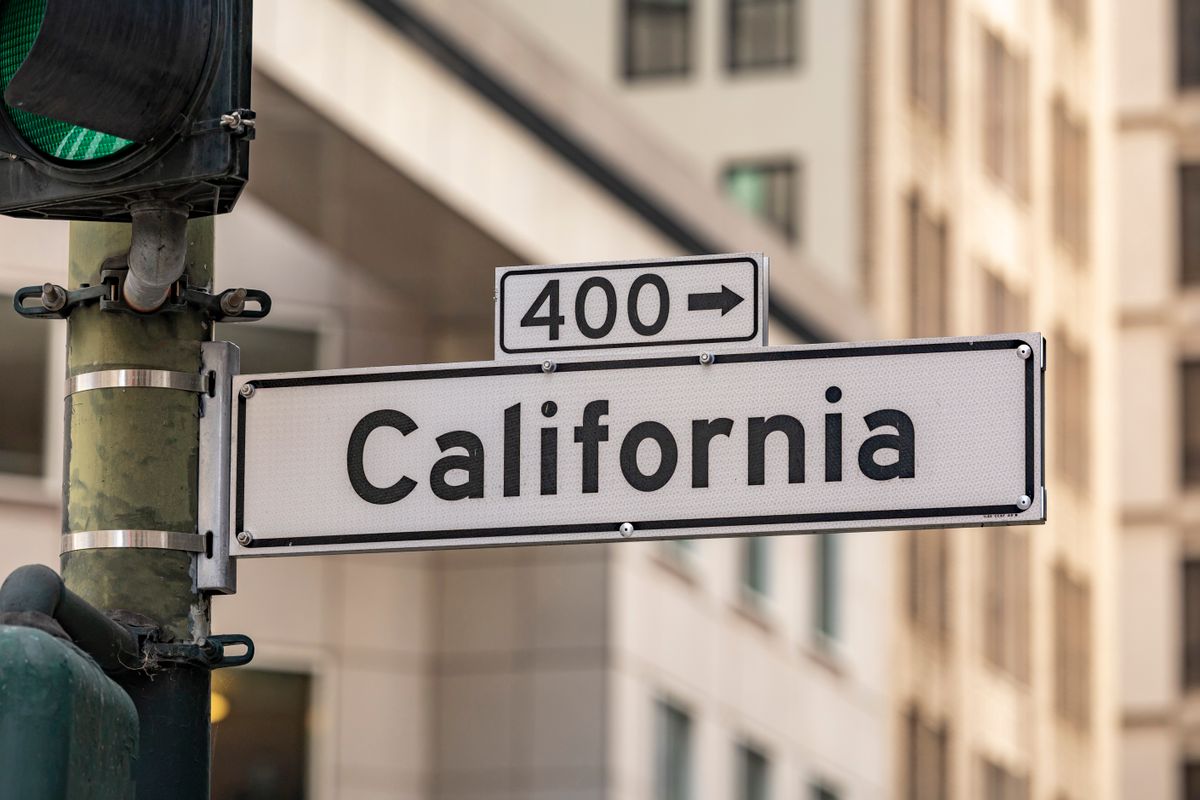
California continues to shape the upper end of America’s rental rankings. The state accounts for 9 of the 10 most expensive metropolitan rental markets, including four of the five costliest large metros.
The combination of high-paying industries, limited land availability, expensive construction costs, and persistent demand has created some of the nation’s toughest rental conditions.
Santa Cruz-Watsonville leads the ranking with a median rent of $4,279 per month, followed by San Jose-Sunnyvale-Santa Clara at $3,865, Santa Maria-Santa Barbara at $3,684, San Francisco-Oakland-Fremont at $3,442, and San Diego-Chula Vista-Carlsbad at $3,360.
These numbers translate into major yearly differences. A renter in Santa Cruz pays about $51,348 annually, while someone in San Diego pays approximately $40,320 annually, resulting in a difference of more than $11,000.
The gap becomes even more noticeable when comparing coastal California with more affordable parts of the country. A renter in Santa Cruz spends more than $30,000 per year than someone renting in several lower-cost large metropolitan areas.
San Jose remains America’s most expensive large city for renters.
Among metropolitan areas with more than one million residents, Silicon Valley remains the nation’s most expensive rental market.
San Jose-Sunnyvale-Santa Clara ranks first among large metros with an estimated median rent of $3,865 per month, meaning renters face nearly $46,400 in annual housing costs.
To maintain a traditional affordability ratio, a household would need approximately $154,600 in yearly income. That requirement places San Jose far beyond what many middle-income workers earn.
San Francisco ranks second among large metros with rent of $3,442 per month, followed by San Diego at $3,360, Los Angeles at $2,953, and the New York metropolitan area at $2,924.
The difference between San Jose and St. Louis, the least expensive large metro, is striking. Renters in San Jose pay about $2,500 more every month, adding up to more than $30,000 extra every year.
The pressure is closely connected to Silicon Valley’s economic success. The region attracts technology companies, highly paid professionals, and investors from around the world, but housing construction has struggled to keep pace with demand.
Smaller cities are becoming some of America’s most expensive rental markets.
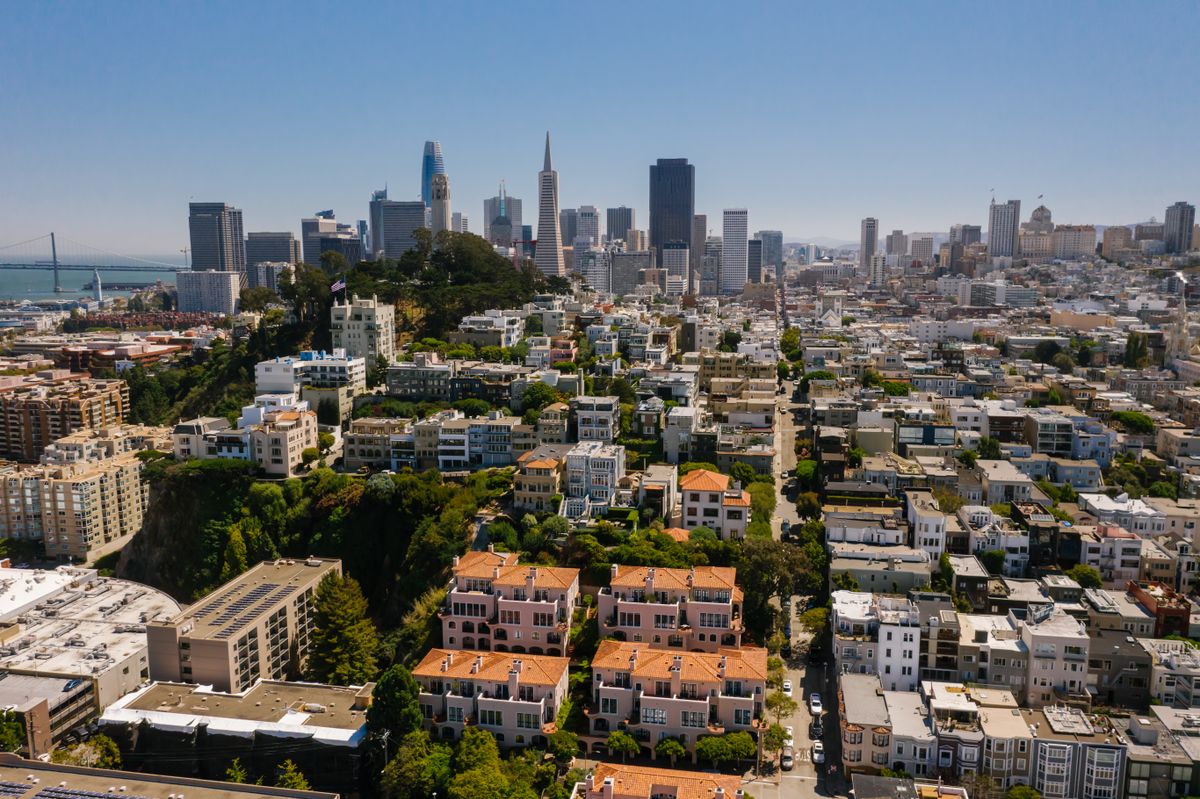
For decades, many Americans assumed smaller cities automatically offered cheaper housing. The latest rental data challenges that idea.
Several smaller metropolitan areas now compete with major cities due to limited housing supply, tourism demand, universities, remote work, and lifestyle migration.
Santa Cruz is the clearest example. Although it has a much smaller population than New York, Los Angeles, or Chicago, its median rent exceeds all three.
Other expensive smaller markets include Napa, California, with rent near $3,187 per month; Kahului-Wailuku, Hawaii, at $2,896 per month; San Luis Obispo-Paso Robles, California, at $2,890 per month; and Bozeman, Montana, at $2,593 per month.
Bozeman’s ranking highlights a major shift in the housing market. Communities once considered affordable alternatives have become expensive as more Americans seek outdoor lifestyles, remote work opportunities, and smaller-city living.
The cheapest rental markets reveal a different America.
While renters in coastal cities face monthly costs above $3,000, many communities in the Midwest and South continue to offer significantly lower housing expenses.
St. Louis ranks as the least expensive large metropolitan rental market with a median rent of $1,334 per month, followed by Tulsa at $1,360, Louisville at $1,364, Cleveland at $1,384, and Pittsburgh at $1,412.
These prices create a major financial contrast. Someone renting in San Jose pays approximately $30,000 more every year than someone renting in St. Louis.
However, lower rent does not automatically guarantee financial comfort. Wages, employment opportunities, transportation costs, healthcare access, and other household expenses determine whether residents truly feel that living conditions are affordable.
Why rent remains expensive even as price growth slows
America’s rental market has entered a different phase from the explosive increases seen during the pandemic.
Rent growth has slowed, but prices remain high because they are building on years of previous increases. A renter paying $2,500 monthly who receives a 3% increase would still pay an additional $75 every month, or $900 more annually.
The rental market continues to reflect years of housing shortages. Following the 2008 financial crisis, construction activity slowed significantly, limiting the supply of new homes as millions of younger Americans entered adulthood and increased demand.
The pandemic added further pressure. Rising home prices pushed more people into renting, higher mortgage rates made buying more difficult, and population shifts increased competition in many markets.
The hidden cost of America’s expensive rental cities
High rent affects far more than housing budgets. When a large share of income goes toward rent, households often have less money available for other important expenses.
Many renters facing high housing costs delay buying homes, reduce retirement savings, take on additional roommates, move farther from workplaces, or accept longer commutes.
A household paying $4,000 every month in rent spends nearly $48,000 annually before paying for groceries, transportation, insurance, or savings.
For many workers, the challenge is not finding employment. The challenge is finding housing close enough to employment without sacrificing financial security.
Why do coastal cities continue to struggle with housing affordability
The most expensive rental markets share several common characteristics.
Many are surrounded by natural barriers such as oceans, mountains, islands, or protected land, limiting where new housing can be built. Cities including Santa Cruz, San Francisco, San Diego, Santa Barbara, and Honolulu face geographic constraints that limit expansion.
These areas also attract strong demand from technology workers, healthcare professionals, students, tourists, and investors. When demand grows faster than the supply of housing, prices rise.
Construction costs create another challenge. New housing requires expensive land, labor, materials, financing, permits, and infrastructure. When these expenses increase, developers often need higher rents to make projects financially possible.
Remote work has also changed the housing landscape. Some smaller communities have experienced sudden increases in demand as workers move away from major cities while keeping their high-paying jobs.
The future of America’s rental divide
The biggest challenge facing renters is no longer just whether prices continue to rise. The larger issue is whether incomes can keep pace with existing housing costs.
The gap between America’s most and least expensive rental markets has widened dramatically. A renter in Santa Cruz paying $4,279 per month spends about $35,000 more per year than someone renting in a market near the bottom of the rankings.
Over a decade, that difference can represent hundreds of thousands of dollars.
The rental market may be stabilizing, but affordability remains deeply uneven across the country. For millions of Americans, deciding where to live has become one of the most important financial decisions they will make.
The defining housing challenge in 2026 is not simply that some cities are expensive. The gap between housing costs and everyday incomes continues to widen.