10 Strange Everyday Human Behaviors That Are Really Ancient Survival Instincts
We like to believe modern life has made us fully civilized, polished, and detached from our ancient past. We work on laptops, order groceries from apps, sleep under clean sheets, and complain when the WiFi slows down for more than a few seconds.
Yet beneath all that convenience, the human brain still carries old survival wiring from a harsher world where hunger, danger, rejection, sickness, conflict, and scarcity shaped daily decisions.
Many everyday human behaviors look embarrassing, irrational, or even annoying on the surface. We overthink small risks, save things we do not need, crave sugary food, gossip about people, freeze under pressure, and check our phones like something urgent might happen every minute.
These habits are not random. They are often ancient survival instincts wearing modern clothes, and once we understand them, we start seeing human behavior with sharper eyes.
Why Everyday Human Behaviors Still Carry Ancient Survival Instincts
Human life has changed faster than the human nervous system. Our ancestors lived in environments where one bad decision could lead to injury, isolation, starvation, or death. The brain became skilled at scanning for danger, protecting social bonds, conserving energy, seeking food, and reacting quickly to uncertainty. Those instincts helped early humans survive, cooperate, reproduce, and avoid threats that were often invisible until it was too late.
Modern life rarely resembles the ancient world, yet the brain still responds with old tools. A rude email can feel like a social threat. A deadline can feel like danger. A dark parking lot can make the body tense before logic catches up. We may live in cities and suburbs now, but our instincts still remember predators, rival groups, harsh seasons, and the terrifying cost of being left alone.
Cluttering

Clutter may look like poor organization, but the deeper instinct behind it is often scarcity protection. For early humans, useful objects were not easy to replace.
A sharp stone, a piece of hide, dried food, wood, bone tools, containers, and simple materials could become valuable during bad weather or food shortages. The person who saved more had a better chance of surviving a hard season.
That same instinct can still show up when we keep old cables, empty boxes, extra clothes, expired coupons, broken appliances, and things we promise ourselves we might need someday.
The modern brain understands that stores exist, but the survival brain whispers that resources can disappear. Stress makes this urge stronger because uncertainty pushes people toward security. We may call it clutter, but the older brain calls it preparation.
Checking Phones Constantly

Phone checking feels like a bad digital habit, but it draws on an ancient survival system. Humans once had to scan the environment repeatedly for movement, sound, social tension, weather changes, and signs of danger.
The person who noticed a threat early had more time to react. The person who ignored small signals could pay heavily.
Today, the phone has become the new rustling bush. A vibration, screen light, notification badge, or silent pause can instantly draw attention. We check for messages, updates, missed calls, breaking news, approval, rejection, and social signals.
The brain treats these tiny alerts like something meaningful might be waiting. We are no longer watching the tree line for predators, but we are still scanning for changes that could affect our safety, status, or belonging.
Gossip

Gossip has a bad reputation because it can become cruel, careless, and destructive. Yet the original function of gossip was not just entertainment. It helped people share important social information.
In small groups, survival depended on knowing who could be trusted, who broke promises, who acted aggressively, who helped others, and who posed a danger within the group.
This is why people still pay close attention to reputations. We want to know who is reliable, who bends rules, who manipulates others, who protects the group, and who might cause harm.
At its best, gossip functions like a social smoke alarm. It helps communities identify patterns before they become problems. At its worst, it becomes a weapon. The instinct itself is ancient, but modern character determines how we use it.
Procrastination

Procrastination is usually judged as laziness, but that is too simple an explanation. Sometimes, delay comes from fear, overload, uncertainty, or the brain trying to avoid a perceived threat.
Early humans did not survive by rushing into every situation. They survived by waiting, watching, conserving energy, and acting when the moment demanded it.
Modern procrastination often appears when a task feels emotionally risky. We delay the report because failure feels threatening. We avoid the application because rejection feels dangerous. We postpone the hard conversation because conflict feels unsafe.
The body may not know the difference between a predator and a task that could damage our confidence or reputation. Procrastination becomes the brain’s awkward attempt to protect us from discomfort, even when action would help more.
Being Easily Startled

Jumping at sudden sounds, flinching when someone enters a room, or tensing at an unexpected touch may feel dramatic, but it is one of the body’s oldest safety features.
The startle response works faster than careful thought. It prepares the body to move, defend, duck, run, or freeze before the conscious mind fully understands what happened.
This reflex mattered in environments where speed saved lives. A loud snap in the woods, a shadow at the edge of vision, or a sudden movement nearby could signal real danger.
Today, the same system reacts to car horns, dropped dishes, slammed doors, phone alarms, barking dogs, and someone appearing behind us unexpectedly. The response may feel embarrassing, but it proves the body is still built to protect first and explain later.
Avoiding Eye Contact
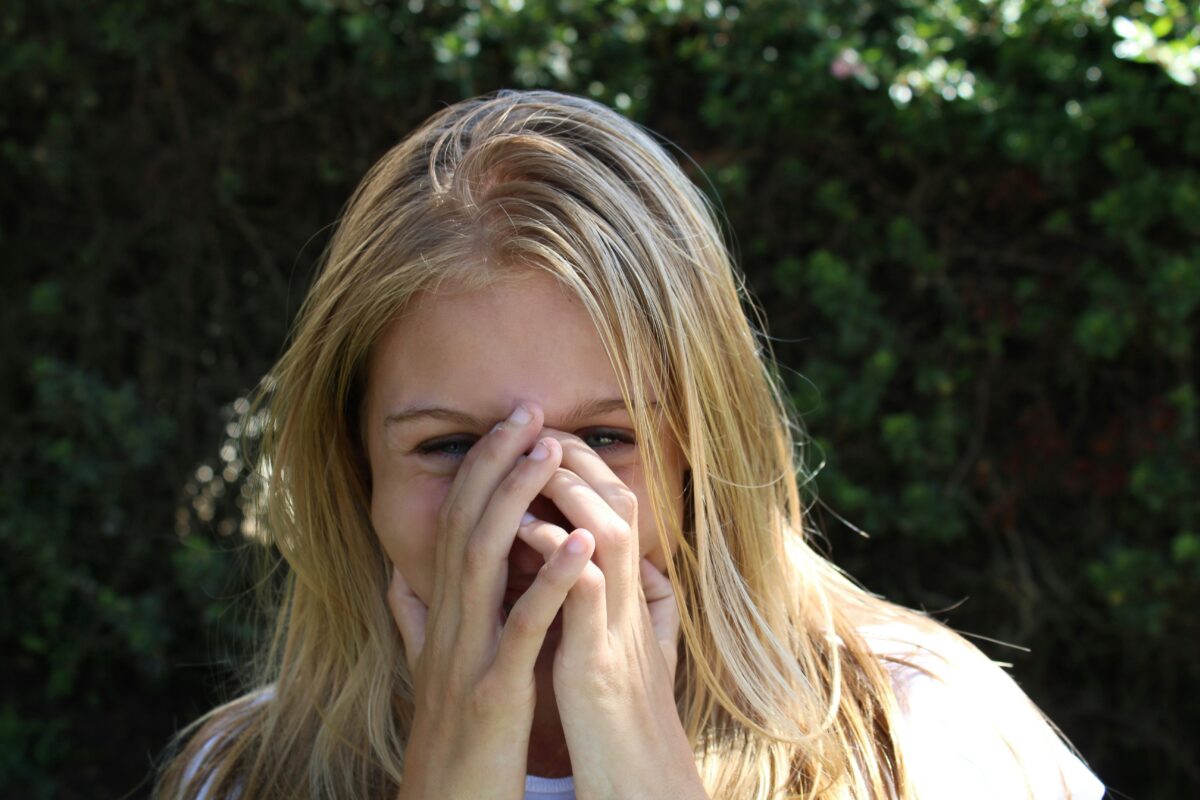
Eye contact feels normal in some settings, but direct staring has carried social risk across human and animal behavior for a very long time.
In many situations, intense eye contact can signal dominance, challenge, attraction, suspicion, or confrontation. Early humans had to read these signals carefully because conflict within a group could escalate quickly.
This helps explain why people sometimes look away during tense conversations, introductions, interviews, arguments, or unfamiliar social moments. Avoiding eye contact can be a nonverbal way of saying we are not a threat.
It can also give the brain time to assess the other person’s mood, power, and intention. In modern life, confidence matters, but caution still has ancient roots. The shy glance away may be the nervous system choosing safety before performance.
Copying Others
Humans imitate more than they realize. We copy accents, gestures, clothing choices, slang, opinions, routines, facial expressions, and even emotional tone. This behavior is not just social laziness. It is a powerful survival tool.
Early humans who blended into the group were more likely to receive protection, food, cooperation, information, and mating opportunities.
Modern copying still helps people fit into workplaces, friend groups, families, communities, and online cultures. We adjust how we speak in different rooms. We dress differently for interviews, weddings, gyms, churches, and offices. We mirror body language when we want a connection.
The instinct is simple. Belonging feels safe because isolation once carried real danger. We may prize individuality, but the nervous system still knows that group acceptance can feel like shelter.
Overthinking

Overthinking can feel like mental punishment, especially when the mind replays conversations, mistakes, possible outcomes, and worst-case scenarios. Yet this habit comes from a survival skill. The brain tries to predict danger before it happens.
It reviews past events to prevent repeat mistakes and imagines future problems to prepare possible responses.
This can be useful in small doses. Planning, reflection, and caution help people make better choices. The trouble begins when the brain treats every uncertainty as a possible disaster.
A delayed text becomes a rejection. A vague comment becomes judgment. A small mistake becomes proof that everything is falling apart. Overthinking is the mind’s ancient security team working overtime in a modern world full of social and emotional triggers.
Routines
Routines may look boring, but predictability is deeply comforting to the human brain. Ancient life was filled with uncertainty, so repeated patterns helped people reduce risk.
Knowing where to find water, when animals moved, where shelter stood, who belonged to the group, and how the day usually unfolded made life safer.
Modern routines do similar emotional work. Morning coffee, favorite seats, bedtime habits, weekly schedules, repeated meals, familiar routes, and small rituals create structure. They tell the nervous system that the world is still manageable.
This is why disruptions can feel more upsetting than logic would suggest. The routine itself may be simple, but the brain reads it as a sign of stability.
Fear Of Missing Out

Fear of missing out may seem like a social media problem, but the feeling is far older than apps. In ancient communities, missing information could be dangerous.
If the group moved, formed alliances, changed plans, shared food, or noticed danger, a person outside the loop could become vulnerable. Social information was survival information.
Today, that instinct shows up when we feel anxious about being left out of parties, trends, conversations, group chats, workplace decisions, or online moments. We want to know what others are doing because the brain connects awareness with belonging and safety.
Social media intensifies this instinct by showing endless proof that something is happening somewhere without us. The fear feels modern, but its roots are ancient. We do not just want entertainment. We want to remain connected to the tribe.
Why These Survival Instincts Still Matter Today
These everyday human behaviors reveal an important truth. We are not as separate from our ancient past as we like to think. Our brains still search for safety, food, belonging, control, status, and certainty.
The world has changed, but the nervous system still uses tools shaped by older dangers. That mismatch explains why ordinary moments can trigger intense reactions.
Understanding these instincts does not mean we should excuse every bad habit. Hoarding can become harmful. Gossip can damage lives. Procrastination can block growth. Overthinking can steal peace. Phone checking can drain attention.
The point is not to glorify every impulse. The point is to understand where these impulses come from so we can manage them with more intelligence and less shame.
Conclusion
Every day, human behavior is often more meaningful than it appears. The habit that seems strange, messy, dramatic, or irrational may be connected to survival instincts that once helped people stay alive in dangerous environments.
We carry ancient alarms in modern bodies, and those alarms still ring in offices, homes, relationships, grocery stores, traffic jams, and late-night scrolling sessions.
The smartest move is not to pretend these instincts do not exist. We do better when we recognize them, respect their original purpose, and decide when they still help us and when they quietly hold us back.
We are modern people with ancient wiring, and the more clearly we see that wiring, the more power we have to live with intention rather than react.