8 Popular Restaurant Foods Professional Chefs Think Twice About Ordering
That expensive steak, creamy pasta, or tempting daily special might look irresistible on a restaurant menu. But according to professional chefs, some popular dishes aren’t always worth the money. What looks impressive on paper can sometimes be an ordinary meal with an extraordinary price tag.
Chefs spend years learning how restaurants prepare, price, and serve food. That experience gives them a different perspective when they’re sitting at the table. In 2026 interviews published by Allrecipes, VinePair, and Delish, several culinary professionals revealed the menu choices they personally avoid and explained why.
Their advice might make you reconsider what you order during your next night out.
Grilled Chicken Breast That Offers Nothing Special
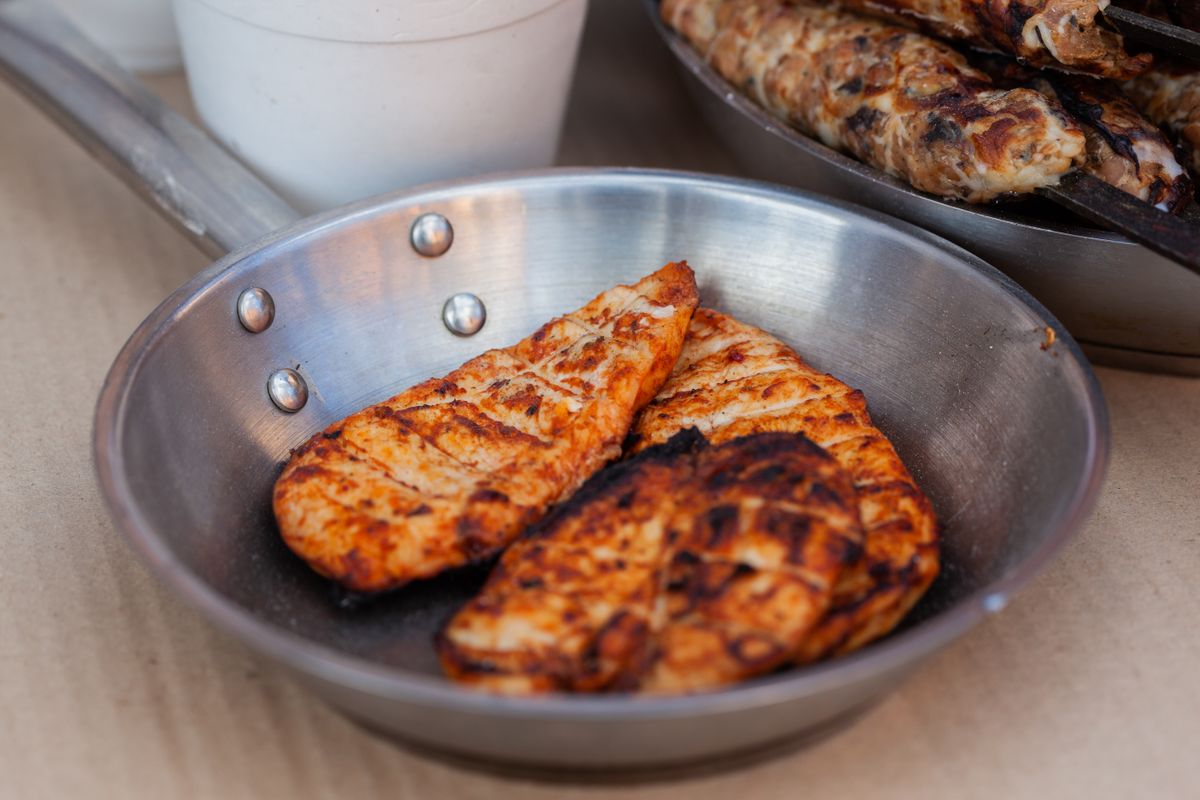
Grilled chicken breast appears on countless restaurant menus, often presented as a dependable option for diners who prefer familiar flavors. However, some chefs believe it is one of the least exciting ways to spend money when eating out.
In an August 2026 Allrecipes feature, chefs identified grilled chicken breast as a dish they often skip because it’s relatively easy to prepare at home.
The concern isn’t that grilled chicken is automatically poorly cooked. A properly seasoned, expertly grilled chicken breast can be delicious.
The question is whether the restaurant offers something you couldn’t easily recreate at home.
If the dish is ordinary chicken, basic vegetables, and a predictable sauce, you’ll get better value by ordering something that showcases the chef’s creativity.
Consider a house specialty featuring an unusual marinade, distinctive preparation, or ingredients you don’t normally use at home.
Macaroni and Cheese With a Premium Price Tag
Macaroni and cheese is one of America’s most comforting restaurant dishes. Unfortunately, that comforting familiarity doesn’t always translate into good value.
Professional chefs interviewed by Allrecipes expressed reservations about restaurant mac and cheese, particularly when a straightforward preparation comes with a surprisingly high price.
Pasta and a basic cheese sauce can be relatively inexpensive, but restaurant labor, rent, and other operating expenses also affect menu prices.
Some versions rely on prepared sauces or simple techniques that don’t justify a premium.
That doesn’t mean every restaurant mac and cheese should be avoided.
A carefully baked version featuring a distinctive cheese blend, house-made pasta, or thoughtful toppings can be worth ordering.
Before choosing it, consider whether the restaurant has made the dish genuinely special or given an everyday favorite an expensive makeover.
The Daily Special That Sounds Almost Too Good
A beautifully described daily special can feel like an opportunity to enjoy something extraordinary. However, several chefs advise diners to consider why a particular dish has suddenly appeared on the menu.
In a July 2026 Delish article, chefs Cory Harwell and Coleen Janeway cautioned against some daily specials. They worried that some restaurants might use specials to sell surplus ingredients.
This isn’t proof that specials are made with spoiled food, nor does it mean restaurants shouldn’t use available ingredients creatively.
Many establishments develop excellent specials around fresh seasonal produce, newly delivered seafood, or a chef’s latest inspiration.
The distinction comes down to the restaurant’s standards and why the special exists.
If you’re uncertain, ask your server what makes the dish worth ordering.
A confident explanation of its ingredients and preparation can be more useful than an elaborate menu description.
House Wine Chosen Without Asking Questions
A restaurant’s house wine often seems like the simplest choice, especially when you don’t want to spend time studying a lengthy drinks list.
But convenience doesn’t always mean you’re getting the best value.
Some chefs interviewed by Allrecipes said they avoid automatically ordering house wine because it can carry a substantial markup without offering particularly memorable quality.
Restaurants determine their own beverage pricing, and the least expensive glass isn’t necessarily the most economical choice.
That said, house wine can also be a perfectly enjoyable choice when a restaurant selects it carefully.
Instead of assuming it’s either a bargain or a disappointment, ask what wine they’re pouring.
Find out its style, origin, and whether it complements your meal.
A knowledgeable server may suggest something more interesting at a similar price.
Sometimes, spending a little time asking questions leads to a much better experience.
Dishes Covered in Truffle Oil
Truffle fries, truffle pasta, and truffle-infused sauces can sound luxurious. The word alone can make an ordinary dish seem more sophisticated.
However, not every product marketed as truffle oil contains the complex flavors of fresh truffles.
In interviews with Delish, chefs Coleen Janeway and William Milian expressed reservations about truffle oil, describing concerns about artificial flavoring and its ability to overwhelm other ingredients.
Many commercial truffle-flavored oils use added aroma compounds rather than relying exclusively on fresh truffles.
A strong truffle-like aroma doesn’t necessarily mean a restaurant has used an expensive natural ingredient.
For customers paying a premium, knowing the difference matters.
If a menu advertises truffle pasta or truffle fries, ask whether the dish contains actual truffles or flavored oil.
There’s nothing wrong with enjoying truffle oil. Just make sure the price reflects what you’re receiving.
Pasta Alfredo at an Unremarkable Restaurant
Creamy Alfredo pasta can look irresistible when it arrives covered in sauce and freshly grated cheese. Yet some chefs consider it a predictable menu choice that doesn’t always showcase a restaurant’s cooking abilities.
In September 2026, VinePair asked eight chefs about dishes they personally avoid. Pasta Alfredo appeared among their selections.
Part of the concern is that the dish can be relatively straightforward, while restaurant versions sometimes emphasize richness over balance.
Traditional Roman fettuccine Alfredo relies on pasta, butter, and Parmesan, although many American restaurants prepare cream-based variations.
Neither approach is automatically inferior, but preparation makes an enormous difference.
Fresh pasta, carefully incorporated cheese, and properly balanced seasoning can elevate a seemingly simple meal.
If you’re visiting an Italian restaurant known for its pasta, Alfredo may be an excellent choice.
However, at a restaurant specializing in another cuisine, you might enjoy a dish that better reflects the kitchen’s strengths.
Filet Mignon at a Restaurant That Doesn’t Specialize in Steak
Filet mignon is often presented as one of the most luxurious choices on a restaurant menu.
Its tenderness appeals to diners willing to spend extra on a special dinner.
But chef Antimo DiMeo told Delish that he generally avoids ordering filet mignon at restaurants that don’t specialize in steak.
His concern centers on flavor and value.
Filet mignon is naturally leaner than cuts like ribeye, which typically have more intramuscular fat. That fat can contribute additional richness during cooking.
A restaurant specializing in steak may have the sourcing experience and cooking techniques needed to deliver an excellent filet.
At an establishment where steak is merely one option among many, another cut or house specialty could provide a more memorable experience.
Of course, diners who prioritize tenderness may still prefer filet mignon.
The key question is whether the restaurant can justify its price with quality and preparation.
Out-of-Season Vegetable Dishes
Vegetables might seem like an unusual item to reconsider on a restaurant order list. After all, plenty of chefs build outstanding dishes around fresh produce.
The concern is what happens when vegetables appear on a menu without much attention to seasonality or preparation.
Chef Aarthi Sampath, founder of New York City’s Drāvida, told VinePair that she avoids uninspired vegetable dishes, especially those featuring out-of-season produce or seeming like an afterthought.
Seasonal vegetables let chefs work with ingredients at their best.
However, a restaurant that gives its vegetable dishes little attention may deliver an underwhelming result.
Sampath’s advice isn’t an argument against ordering vegetarian food.
Instead, it encourages diners to seek restaurants that give vegetables the same consideration as meat and seafood.
A thoughtfully prepared vegetable dish can be among the most memorable items on a menu.
The goal is to recognize when the kitchen has put genuine creativity into it.
What Chefs Want Diners to Remember
Restaurant menus are designed to appeal to different tastes, budgets, and expectations. One chef might avoid a dish that another diner loves.
The advice from culinary professionals shouldn’t be interpreted as a universal warning that these eight items are unsafe or always disappointing.
Instead, their observations highlight a useful question: Does this dish offer enough quality, creativity, and value to justify ordering it?
It’s also worth remembering that some traditional restaurant warnings have changed over time.
Anthony Bourdain famously advised avoiding fish on Mondays in his 1999 New Yorker essay because of seafood delivery schedules. However, he later acknowledged that restaurant practices had changed and that the advice no longer applied universally.
A good restaurant should be judged by its ingredient quality, preparation, cleanliness, and consistency rather than outdated assumptions.
How to Make Smarter Restaurant Choices
Before ordering, consider the restaurant’s specialties and whether its menu emphasizes particular ingredients or cooking techniques.
Ask servers which dishes they recommend and whether an advertised special uses seasonal ingredients.
If something seems unusually expensive, consider whether its preparation or ingredients justify the cost.
Most importantly, don’t feel pressured to order the fanciest item on the menu.
A carefully prepared, reasonably priced house specialty can be more satisfying than an expensive dish chosen simply because it sounds impressive.
The best restaurant order isn’t necessarily the most popular or expensive choice. It’s the one that gives you a delicious meal worth the money.
Posts You Might Like:
11 Things Baristas Say Customers Do That Drive Them Crazy
8 Things You Do at Restaurants That Servers Say Make Their Job Harder