9 Pantry Staples That Last Practically Forever
Your pantry is hiding a quiet miracle: secret time travelers that refuse to spoil. Yet every day, perfectly good food gets tossed into the bin simply because a tiny, printed date inspired a sudden wave of kitchen panic.
The truth? You’re likely throwing away cold, hard cash. According to the USDA Food Safety and Inspection Service, “Best if Used By Before” labels signal when a food item delivers its best flavor or quality.
Some everyday ingredients can comfortably survive decades, while others are virtually immortal. So, before you spend a dime on your next grocery haul, check out these pantry champions that are still good to go and how to make sure they stay that way.
Plain salt
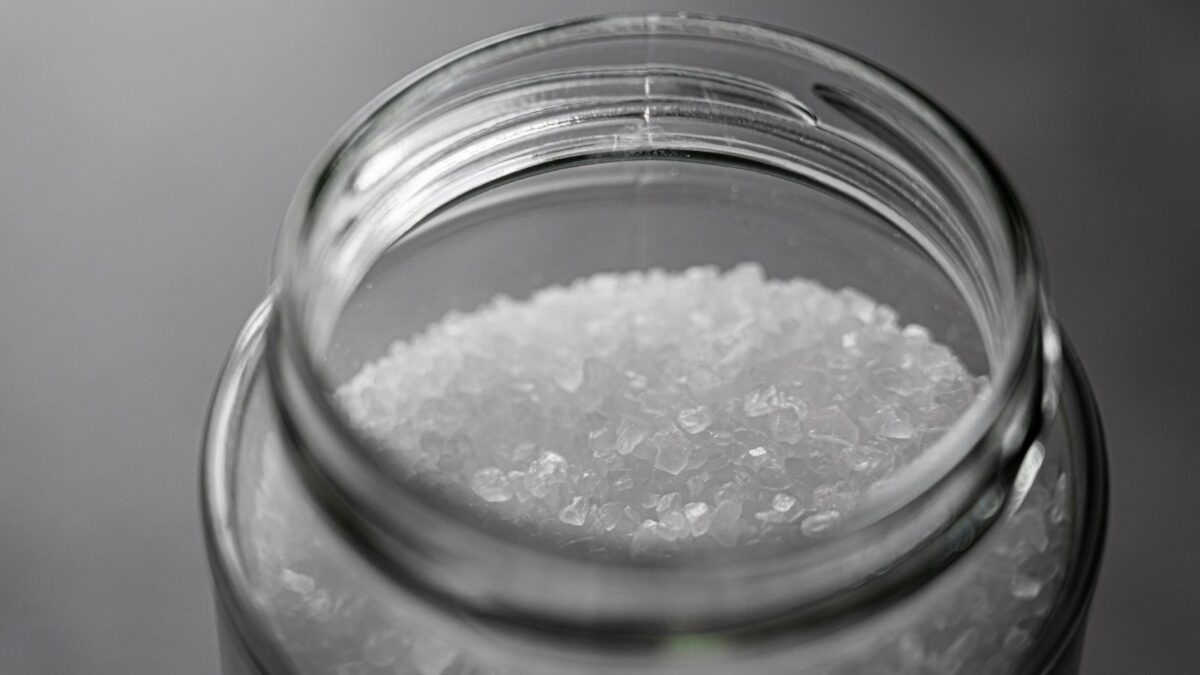
Here’s one pantry staple that refuses to follow an expiration calendar. Pure salt has no expiration date, making it one of the longest-lasting ingredients in your kitchen. The company draws an important distinction between plain salt and products containing added ingredients. Iodized salt can lose iodine over time, while seasoned varieties may lose their original flavor.
Moisture can also cause salt to clump, especially in humid kitchens. Fortunately, clumping alone doesn’t mean the salt has spoiled. Keep your supply in an airtight container and away from the steam around your stove. For plain salt, a dry storage spot matters far more than the age of the package.
Honey
That crystallized honey sitting in your cupboard probably deserves another chance. According to the Mississippi State University Extension Service, honey stays safe to eat indefinitely if stored in a cool, dry place inside an airtight container. Its color may darken, and crystals may form, but neither change automatically means spoilage. You can gently warm a crystallized jar in water to restore its familiar liquid texture.
Store honey in a tightly closed container, away from sunlight and heat sources. Always use clean utensils to avoid introducing contaminants. However, don’t ignore unusual warning signs. If your honey develops foam or an alcoholic smell, throw it away. With proper care, that forgotten jar could remain useful for decades.
Granulated white sugar
Remember that giant bag of sugar you purchased for holiday baking? You might still put it to good use years later. Properly stored sugar has an indefinite shelf life because it doesn’t support microbial growth. However, the manufacturer recommends using granulated sugar within three years of purchase for the best quality. That’s a freshness recommendation, not an automatic expiration deadline.
Sugar can absorb moisture and develop hard lumps, especially when you leave the package open. Transfer it into a clean, dry container with a secure lid. Avoid the refrigerator because humidity can create additional problems. Keep it away from strong odors, too. With sensible storage, your baking supply can remain useful much longer than you might expect.
White distilled vinegar
That inexpensive bottle of white vinegar offers more staying power than its price tag suggests. The Iowa State University Extension and Outreach confirms vinegar has an almost indefinite shelf life. White distilled vinegar performs especially well during extended storage because it remains virtually unchanged over time. You don’t even need to refrigerate it. Just close the cap tightly and find a cool cupboard away from direct sunlight.
Other vinegar varieties may develop cloudy appearances, sediment, or changes in color. Still, check for unusual contamination before using any pantry ingredient. For everyday cooking, white distilled vinegar remains a dependable option that rarely needs replacing simply because it has spent a long time on the shelf.
Uncooked white rice
White rice might be one of the most surprising long-term pantry investments. That impressive timeframe requires careful preparation, though. Cool temperatures and containers that keep oxygen out. An opened supermarket bag sitting beside your stove won’t deliver the same results. For better protection, move rice into a dry, food-grade container with a secure closure.
Check occasionally for moisture or pantry pests. And remember that white rice differs from brown rice, which contains oils that limit its storage life. You don’t need to create an elaborate emergency pantry to make rice last longer, but good packaging certainly helps.
Relatable: 6 Ways to Declutter Your Pantry and Maximize Space
Dried beans
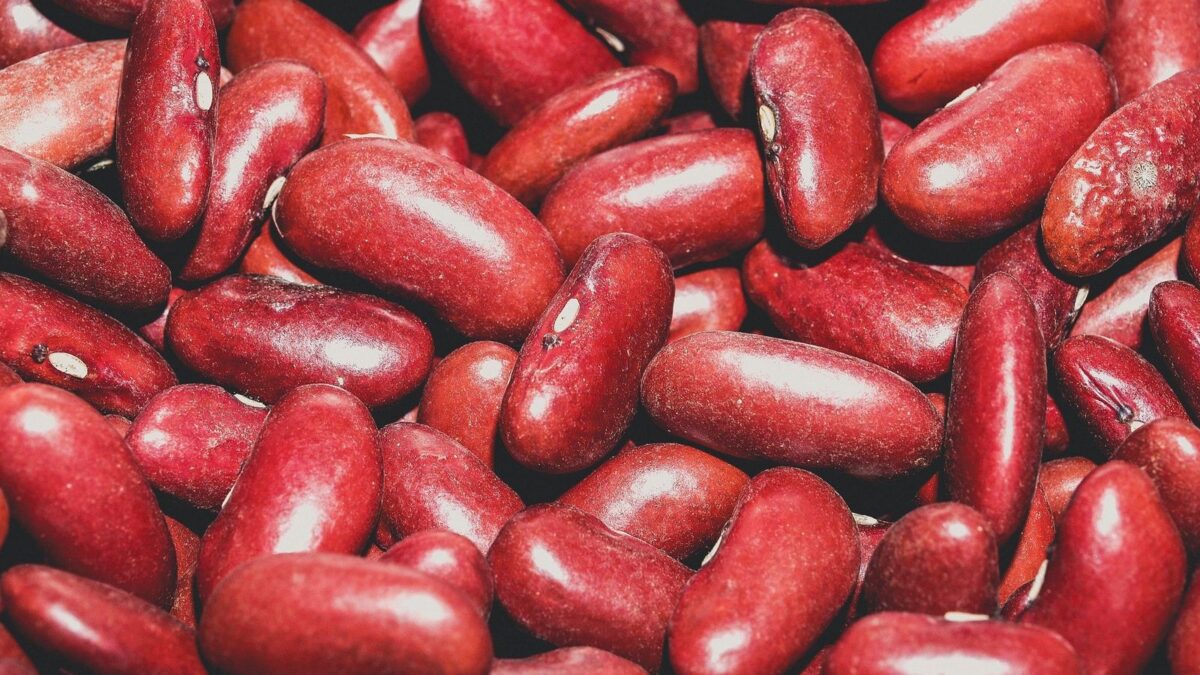
Dried beans deserve a permanent spot on your grocery list, but don’t expect every forgotten bag to cook perfectly. The Utah State University Extension shows that dried beans in ordinary food-grade bags maintain their best quality for about one year. Stronger packaging and reduced exposure to oxygen can extend their usefulness considerably. However, age changes the cooking experience.
Older beans can become stubbornly hard, even after soaking. They may require longer preparation, and extremely old beans might never soften properly. Store them in clean, moisture-resistant containers and protect them from pests. Label each purchase so you can use the oldest beans first. That simple habit helps you enjoy your stored supply instead of discovering an entire forgotten collection of rock-hard beans years later.
Wheat berries
If you love homemade bread, whole wheat berries might deserve more attention than another bag of flour. The secret involves keeping the kernels whole and protecting them from moisture, insects, and excessive heat. Unlike ordinary flour, intact wheat berries allow you to grind fresh flour when you need it. However, extreme longevity doesn’t eliminate quality changes.
Households should rotate their supplies regularly rather than relying on decades-old grain. Use food-grade containers, inspect your wheat periodically, and keep everything dry. Good storage can turn these humble kernels into a remarkably dependable pantry staple.
Pure vanilla extract
That little bottle of vanilla extract might outlast more baking projects than you can count. McCormick’s June 2026 guidance gives pure vanilla extract a technical shelf life of 1,440 days. The company also notes that vanilla’s flavor can change gradually over time. Keep the cap tightly closed to reduce evaporation, and store the bottle somewhere cool and dark. A cupboard away from your oven works nicely.
Don’t assume imitation vanilla behaves exactly like pure extract, since the ingredients differ. Before adding older vanilla to cookie dough, examine its appearance and aroma. If it remains clear, fragrant, and properly stored, it may still bring that familiar vanilla flavor to your favorite recipes.
Cornstarch
Cornstarch has a quiet talent for lasting much longer than many home cooks realize. Dry, uncooked cornstarch can remain suitable for recipe preparation indefinitely, including after you open the package. The manufacturer makes one condition especially clear: you must keep it dry.
Moisture can introduce contamination and spoil the powder’s usefulness. That’s why leaving an open container beside a steaming pot isn’t a great idea. Transfer your cornstarch into an airtight container if the original package doesn’t close securely. Keep the lid on between uses, and always reach for a completely dry spoon. Check for dampness, unusual odors, or visible contamination before cooking.