8 Canned Vegetables Worth Keeping in the Pantry All Winter
When winter weather turns grocery shopping into a chore, a well-stocked pantry can save dinner. Those humble cans of vegetables on supermarket shelves may not look exciting, but they can turn a nearly empty fridge into a surprisingly satisfying meal.
And there’s a practical reason to stock up. According to the U.S. Department of Agriculture (USDA), most commercially canned low-acid vegetables can maintain their best quality for two to five years when unopened and stored properly. That makes them convenient pantry staples long after the first snowfall.
Here are eight canned vegetables to keep on hand when temperatures drop, and comfort food takes center stage.
Green Beans
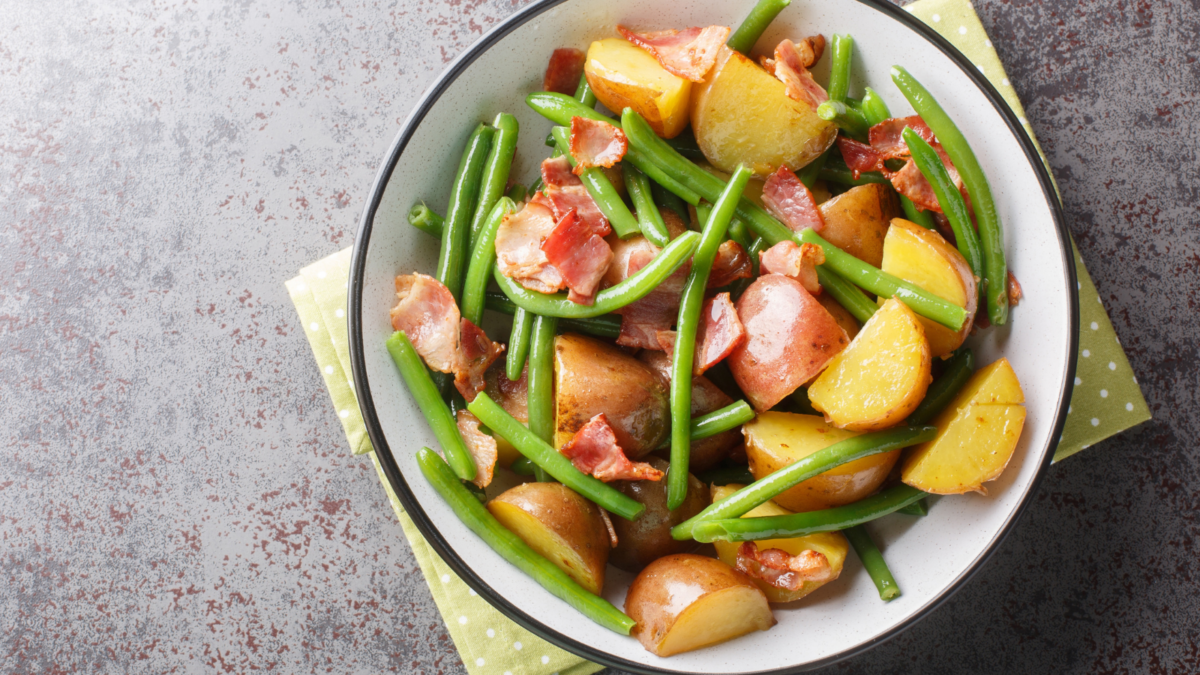
Green beans deserve a permanent spot in the winter pantry, especially when casseroles and hearty family dinners are on the menu. They’re ready to use right out of the bag, no washing, trimming, or snapping off the ends.
Toss them into a classic green bean casserole, warm them with butter and garlic, or serve them alongside meatloaf and mashed potatoes. Their convenience makes them especially helpful on busy weeknights when making a fresh vegetable feels like one task too many.
Sweet Corn
Few canned vegetables can brighten a winter meal quite like sweet corn. Its naturally sweet flavor works beautifully in dishes that need a little color and texture.
Add it to chicken tortilla soup, stir it into chili, or mix it with black beans for an easy side dish. You can even heat it in a skillet with butter and a sprinkle of paprika for a quick dinner side. Unlike fresh corn on the cob, the canned version requires no shucking or cutting.
Carrots
Fresh carrots are wonderful, but canned carrots have one big advantage on hectic evenings: they’re already cooked. That means they’re ready for the pot without peeling or chopping.
They work particularly well in beef stew, chicken pot pie filling, and vegetable soup. Because they’re already tender, add them near the end of cooking to keep them from becoming overly soft. A little butter, parsley, and black pepper can also turn them into a simple side dish.
Related:6 Canned Foods You Can Enjoy Straight from the Can
Sweet Peas
There is something wonderfully old-fashioned about a bowl of buttered peas beside a Sunday roast. Canned sweet peas bring that familiar comfort to the table with very little effort.
They’re especially useful in chicken pot pies, creamy pasta dishes, and homemade fried rice. For best results, warm them gently rather than boiling them for too long. That helps preserve their texture and keeps them from turning mushy.
Diced Tomatoes
A can of diced tomatoes might be one of the most versatile ingredients in an American kitchen. From spaghetti sauce to chili, it provides a convenient starting point for countless cold-weather favorites.
Pour a can into a pot with onions, garlic, and seasonings, and you’re already halfway to a simple tomato sauce. Diced tomatoes also work beautifully in vegetable soup, taco filling, and slow-cooker meals.
One storage detail is worth remembering: the USDA recommends storing high-acid canned foods such as tomatoes for 12 to 18 months, compared with 2 to 5 years for most low-acid canned vegetables.
Spinach
Canned spinach may not be everyone’s first choice, but it can be surprisingly useful when you know where to put it. Its soft texture works particularly well in dishes where the greens are mixed with other ingredients.
Try adding drained spinach to creamy dips, pasta bakes, scrambled eggs, or a cheesy casserole. It also blends easily into soups without requiring much preparation.
For recipes that need less moisture, drain it thoroughly and press out excess liquid before mixing it with other ingredients.
Sliced Beets

Beets are easy to overlook when stocking the pantry, but their distinctive color and earthy sweetness can bring something different to winter meals.
Canned sliced beets are especially convenient because they eliminate the lengthy cooking and peeling involved with preparing fresh ones. Serve them cold in salads, warm them with a little butter, or toss them with a simple vinegar dressing.
They’re also a colorful addition to a holiday dinner spread when the table is filled with rich casseroles and roasted dishes.
Mixed Vegetables
When you have no idea what to cook, a can of mixed vegetables can be a lifesaver. The familiar combination of vegetables makes it easy to add variety to meals without opening several different cans.
Stir them into chicken pot pie filling, add them to rice, or toss them into leftover broth for a quick vegetable soup. They’re also perfect for stretching a casserole when unexpected guests arrive.
The USDA’s MyPlate guidance recognizes canned vegetables alongside fresh and frozen options, with one cup of canned vegetables generally counting as one cup toward the Vegetable Group.
A Few Smart Pantry Habits Before Winter Arrives
A good winter pantry isn’t about buying everything in sight. It’s about keeping ingredients you’ll actually use.
Store canned vegetables in a cool, dry place, away from heat and moisture. The USDA advises avoiding cans that are bulging, leaking, badly dented, or heavily rusted. For most low-acid canned vegetables, refrigerate leftovers promptly and use them within three to four days.
You can also choose no-salt-added varieties when available or drain and rinse suitable canned vegetables before cooking, depending on the recipe.
The best part? You don’t need a pantry overflowing with groceries to make winter cooking easier. Sometimes, eight dependable canned vegetables are enough to turn an ordinary evening into a comforting homemade dinner.