Prunes and Olives in Your Chicken Dinner? This Retro Classic Makes a Delicious Case
Chicken dinner rarely has a plot twist, but Chicken Marbella does: prunes. They share the pan with green olives, capers, garlic, and chicken, then add brown sugar and white wine, then bake. On paper, that combination might raise an eyebrow. On the plate, it is the defining sweet-and-savory formula behind one of “The Silver Palate Cookbook’s” best-known dishes.
The appeal is not complicated cooking. It is a make-ahead marinade followed by an oven roast, with the chicken and its accompanying ingredients sharing the baking pan. One important catch to the word “easy,” however: the classic recipe calls for overnight refrigeration. This is a dinner to set up ahead of time, not a last-minute rescue mission. Plan for that pause, and the actual cooking involves arranging, sprinkling, pouring, and occasionally basting.
The Retro Chicken Dinner With a Cookbook Pedigree
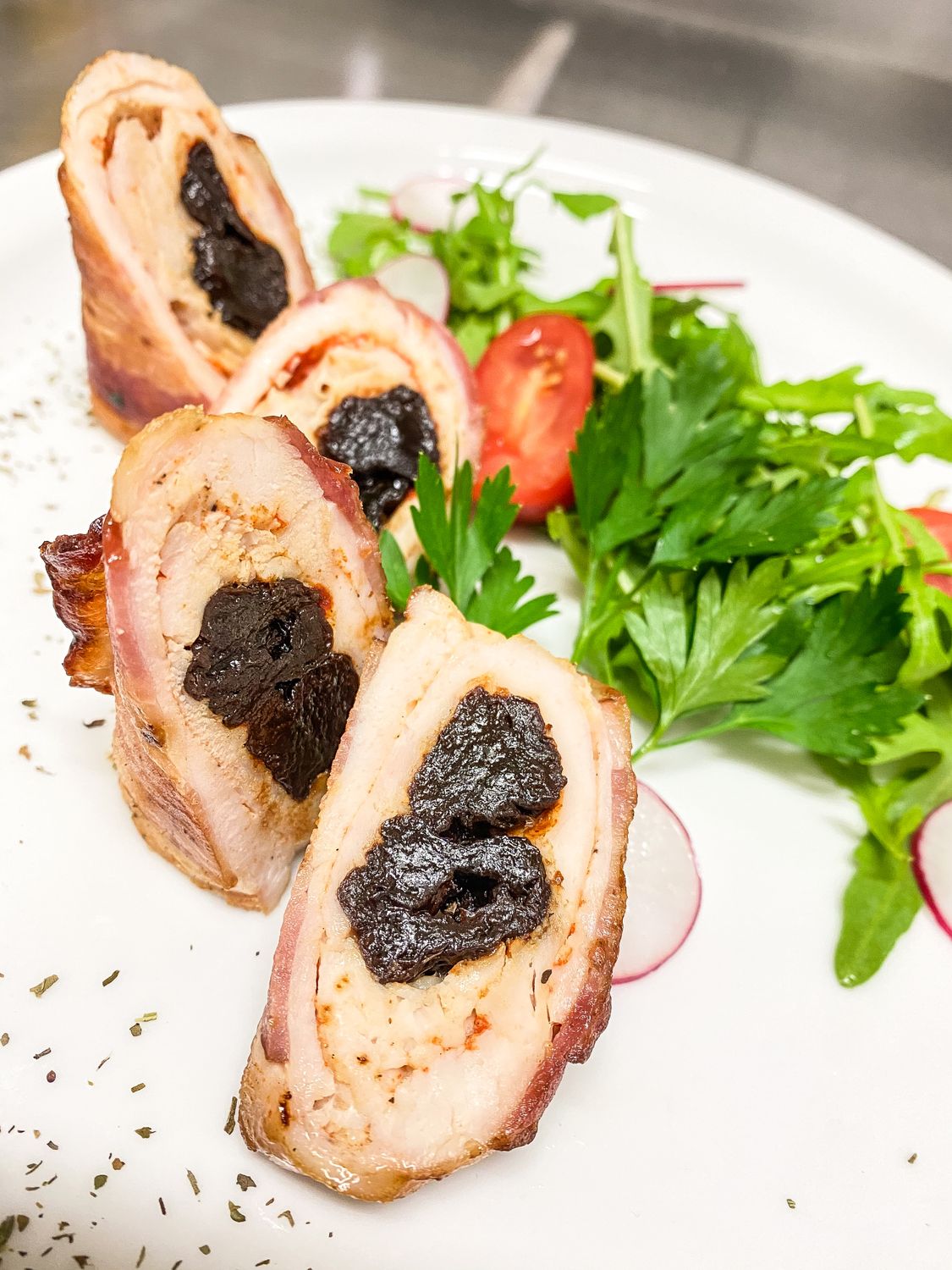
Chicken Marbella’s place in American home cooking is closely tied to Sheila Lukins and Julee Rosso, the authors of “The Silver Palate Cookbook.” Published in 1982, the book introduced home cooks to an array of dishes and ingredients that helped define an era of entertaining. elaThe New York Times republished Chicken Marbella in 2007 as part of its coverage of the cookbook’s 25th anniversary, reminding readers this was no short-lived dinner-party curiosity.
The authors’ original recipe introduction places the dish even earlier in their business’s history. “This was the first main-course dish to be offered at The Silver Palate shop,” Lukins and Rosso wrote in the version reproduced by Epicurious. They credited the distinctive colors and flavors of the prunes, olives, and capers with keeping it a favorite. Those ingredients are not decorative extras added to make ordinary roast chicken look interesting; they are central to what makes it Chicken Marbella.
Keep that in mind if the prunes make you hesitate. This is not simply chicken with a sweet fruit topping. The recipe combines dried fruit with vinegar, olives, capers, garlic, and oregano, then adds wine and brown sugar for roasting. Its personality comes from the combination, not any single ingredient. Removing anything unfamiliar would change the dish and miss why it earned its following.
Related: You Rinse Your Hands After Handling Raw Chicken, but the CDC Says Soap and 20 Seconds Matter
Why the Sweet and Savory Combination Works
Think of the ingredient list as a balancing act. Prunes and brown sugar provide sweetness, while red-wine vinegar adds acidity, and green olives and capers bring their characteristic briny flavor. Garlic, dried oregano, and bay leaves round out the mixture. Add dry white wine to the roasting pan, where it joins the marinade and cooking juices. Serve the juices alongside the chicken so the sauce is part of the meal rather than an afterthought.
The order of operations matters, too. In the classic preparation, the chicken spends the night with the olive oil, vinegar, prunes, olives, capers and their juice, garlic, oregano, bay leaves, salt and pepper. The brown sugar and wine wait until the chicken is ready for the oven. That distinction keeps the method clear: first marinate, then arrange the chicken, spoon over the marinade, add the final ingredients and roast. Everything has its moment; nothing requires a separate stovetop sauce.
For all its dinner-party credentials, the dish asks for fairly straightforward kitchen work. The original recipe has no initial batch-searing step and no instruction to stand over a skillet building the sauce. The authors do call for basting during roasting, so “hands-off” would oversell it. “Manageable” is more accurate: the preparation is spread across two days, and the oven handles the main cooking while you check and baste the chicken.
How to Make It Without Missing the Important Details
Start by checking the recipe’s scale before reaching for a mixing bowl. The original Epicurious version makes about 10 servings and uses four 2½-pound chickens, each cut into quarters. Its marinade includes ½ cup each of olive oil, red-wine vinegar, green olives, and capers, plus 1 cup pitted prunes. A head of garlic, ¼ cup dried oregano and six bay leaves make clear that this is a generously seasoned, crowd-sized preparation, not a small two-person chicken bake.
Combine the marinade ingredients, coat the chicken, cover and refrigerate overnight. The next day, heat the oven to 350°F and arrange the chicken in a single layer in one or two large, shallow baking pans. Distribute the marinade and its solid ingredients around the pieces, then sprinkle with the recipe’s 1 cup brown sugar and pour in 1 cup dry white wine. Use enough pan space to maintain a single layer, following the original method rather than crowding everything into one dish.
The published cooking window is approximately 50 minutes to an hour, with basting during roasting, but use a thermometer to decide when dinner is ready. Although the older recipe refers to the color of the chicken’s juices, current USDA guidance recommends a minimum internal temperature of 165°F for all poultry, measured with a food thermometer. Treat the stated roasting time as a guide, not a substitute for checking that the chicken has reached a safe temperature.
To serve, transfer the chicken, prunes, olives and capers to a platter, spoon over some pan juices and finish with chopped flat-leaf parsley or cilantro. Offer the remaining juices alongside rather than leaving them behind in the baking dish. That final step captures the whole point of Chicken Marbella: the fruit, briny ingredients, herbs and chicken belong together. The prunes may start the conversation, but the complete combination is what makes this retro dinner worth revisiting.