
6 Mall Treats That Were Part of Shopping Trips in the ’90s
Remember when going to the mall meant more than shopping for clothes or browsing the latest music? For many Americans growing up in the 1990s, the food was just as memorable as the stores. A trip through the mall could include a warm cinnamon roll, a freshly baked cookie, or a cold drink enjoyed between stops.
The best part was that you didn’t always need a full meal. Snack counters, small bakeries, and candy shops offered plenty of reasons to take a break from shopping. Some treats were already familiar before the decade began, while others were finding their place in malls across the country.
Not every shopping center carried the same brands, but these six treats became part of the mall experience in different parts of America during the 1990s.
Cinnabon Cinnamon Rolls
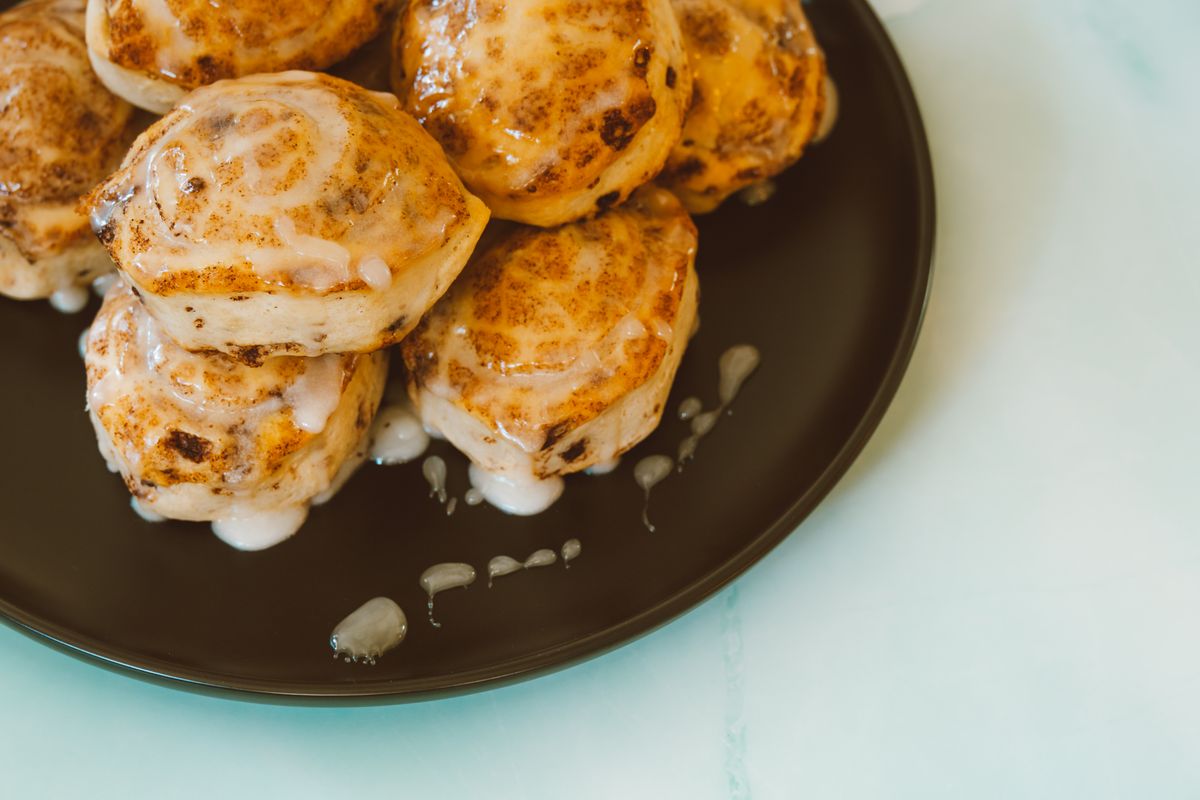
Few mall treats are as closely associated with the 1990s as Cinnabon’s cinnamon rolls. The combination of soft, rolled dough, brown sugar, cinnamon, and cream-cheese frosting made these oversized pastries difficult to overlook. Watching employees prepare the rolls added another interesting element to the experience.
Cinnabon actually began before the 1990s. Its first bakery opened in a Washington shopping mall in December 1985, and the business expanded significantly over the following decade.
According to the International Directory of Company Histories, Cinnabon entered the 1990s with 72 locations, all situated in shopping malls. By 1992, the company had expanded to more than 180 locations across the United States and Canada.
Related Post: Surprising Myths About Your Favorite Treats
The bakery’s open preparation areas also set it apart from ordinary snack counters. Customers could watch the dough being handled and the cinnamon rolls being prepared before purchasing their treats.
Cinnabon eventually expanded beyond traditional shopping malls, but its early association with mall shopping remains an important part of the brand’s history. For anyone who remembers those warm, frosting-covered rolls, their nostalgic appeal is easy to see.
Auntie Anne’s Soft Pretzels
A warm soft pretzel was another tempting option during a long afternoon of shopping. Auntie Anne’s became associated with freshly prepared, hand-rolled pretzels that customers could watch being twisted and baked.
The company started in 1988 when Anne Beiler opened a pretzel stand at a Pennsylvania market. It later expanded into shopping malls, where the format suited customers looking for something convenient to carry while browsing.
According to the company’s history, Auntie Anne’s operated at Lancaster’s Park City Center in 1991. That location began with a month-to-month food-court lease, showing how modest some early mall operations could be.
The freshly baked pretzels were the main attraction. Their distinctive twisted shape and soft texture offered something different from the cookies and pastries available at neighboring counters.
Auntie Anne’s continued expanding during the decade and earned a place on the 1995 Inc. 500 list of fast-growing companies.
The company still sells classic soft pretzels today, though not every ingredient or preparation detail has stayed unchanged since the 1990s.
Orange Julius Drinks
Before today’s abundance of specialty beverage shops, Orange Julius was already serving its distinctive orange drinks.
The beverage had a much longer history than its association with 1990s malls. The business began in Los Angeles in 1926 as an orange-juice stand and eventually developed into a recognizable refreshment chain.
By the early 1990s, Orange Julius had established a presence in American shopping centers. A February 1993 Los Angeles Times report specifically identified an Orange Julius location at The Oaks mall in Thousand Oaks, California.
The drink stood apart from ordinary orange juice. Historical reporting described a preparation of orange juice, crushed ice, simple syrup, and a proprietary powder that gave it its recognizable character.
The precise commercial formula was never made public, making it hard to say exactly what every Orange Julius contained during the decade.
Still, its frothy orange drink became a recognizable part of American mall nostalgia. For shoppers who preferred something cold instead of another baked treat, Orange Julius offered a different kind of refreshment.
Mrs. Fields Chocolate Chip Cookies
Walking past a cookie shop as fresh batches were being prepared was especially appealing.
Mrs. Fields built its reputation on rich, homestyle chocolate-chip cookies baked throughout the day and sold warm. The cookies offered a convenient alternative to larger desserts, especially for shoppers who wanted a quick treat.
The company began in 1977 as Mrs. Fields Chocolate Chippery in Palo Alto, California. By the 1990s, it had become a familiar presence in several major shopping centers.
A 1993 Los Angeles Times profile identified successful Mrs. Fields locations at Beverly Center and Glendale Galleria. Another report from that year listed the chain at The Oaks mall.
Despite its recognizable brand, the company faced business challenges during the decade, including debt and uneven performance across locations.
Those difficulties were part of the company’s history, but they don’t erase the appeal of its signature product.
Mrs. Fields still sells cookies today, though its modern packaged products shouldn’t automatically be considered identical to the cookies sold at mall counters decades ago.
Dippin’ Dots Ice Cream
Dippin’ Dots brought something noticeably different to the traditional ice cream experience. Instead of ordinary scoops, customers received tiny frozen beads that gradually melted into ice cream.
The company was established in 1988 after founder Curt Jones experimented with cryogenic freezing techniques. Its unusual product began appearing in shopping centers and other entertainment venues in the years that followed.
One documented example appeared in Connecticut in 1995. According to a Hartford Courant report, a Dippin’ Dots kiosk opened at The Pavilions at Buckland Hills mall that May.
The kiosk offered flavors including vanilla, chocolate, strawberry, banana split, and mint chocolate. Customers could purchase the frozen beads in cups or cones.
By 1995, the company operated more than 150 outlets across 33 states, including venues beyond shopping malls.
Dippin’ Dots remained an emerging attraction for much of the decade, rather than something found in every mall. Its unusual appearance and serving style nevertheless made it a memorable addition to the growing selection of frozen treats.
Sweet Factory Bulk Candy
For shoppers who preferred choosing their own sweets, Sweet Factory offered an experience that was different from ordering a prepared snack.
Instead of selecting one standard item from a menu, customers could browse visible bins of candy and decide what they wanted to purchase. The candy was sold by weight, allowing shoppers to choose their own quantities.
Sweet Factory’s presence in shopping centers was documented during the early 1990s. A September 1993 Seattle Times report identified a shop at Westlake Center and discussed an upcoming Bellevue Square location.
Another report published in August 1994 described the business as a bulk-candy retailer selling its products by the ounce.
That shopping format was part of the attraction. Customers could examine the available selections, fill their containers, and pay according to the amount they chose.
Unlike the bakery counters and ice cream kiosks, Sweet Factory operated primarily as a candy retailer. Its mall location didn’t necessarily mean it was part of a centralized food court.
The brand’s visible candy displays and choose-your-own approach gave shoppers another reason to stop during a busy afternoon.
Why These Mall Treats Still Bring Back Memories
Shopping malls in the 1990s offered more than clothing stores and entertainment. Their bakeries, snack counters, kiosks, and candy shops created memorable stops that could become part of a regular shopping routine.
Cinnabon’s cinnamon rolls, Auntie Anne’s pretzels, Orange Julius drinks, Mrs. Fields cookies, Dippin’ Dots, and Sweet Factory candy each represented a different part of that experience.
Several of these brands remain in business today, even as their locations and offerings have changed. But for those who encountered them during the 1990s, the memories may be about more than the food itself.
Sometimes, remembering a favorite mall treat is enough to bring back an entire afternoon of browsing stores, meeting friends, and enjoying the simple pleasures of a shopping trip.


