6 Popular Foods That Don’t Freeze as Well as You Might Expect
Your freezer can rescue tomorrow’s dinner, but it can also ruin today’s leftovers. That extra lettuce, half-used tub of sour cream, or bowl of spaghetti might look perfectly fine before freezing. The disappointment often arrives when you thaw it.
According to the University of Minnesota Extension, freezing changes the structure of foods because water expands as it freezes into ice crystals, which ruptures the rigid plant cell walls. Some ingredients lose their crunch, while others separate or turn mushy.
These changes mainly affect quality, not necessarily the food’s suitability for eating, provided you handle and store it properly. Before you fill another freezer container, consider these six familiar foods that may disappoint you later.
Lettuce loses its crunch
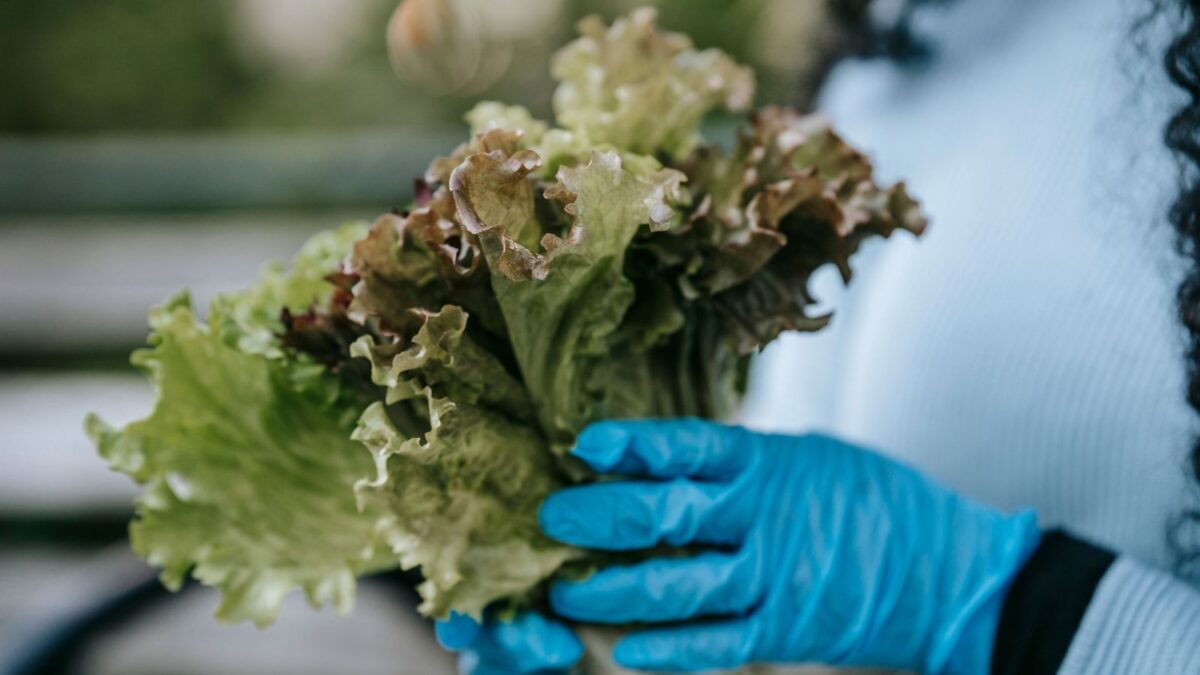
Fresh lettuce brings that lovely crunch to salads and sandwiches, but freezing takes away much of its appeal. You might think an extra bag deserves a second chance in the freezer, especially when you can’t finish it immediately. Unfortunately, those crisp leaves rarely return to their original state after thawing.
The leaves can also develop changes in color, aroma, and flavor. Water inside the plant cells expands as it freezes, damaging the structure that gives lettuce its firmness.
That means your beautiful salad greens may emerge looking rather sorry for themselves. If you want crisp lettuce for sandwiches or salads, the refrigerator makes far more sense than the freezer. Freezing may preserve the leaves temporarily, but it won’t preserve the texture that makes them enjoyable.
Sour cream turns watery
That half-empty tub of sour cream sitting in your refrigerator can tempt you to freeze it for another day. After all, why throw away something you might want for your next baked potato? The trouble starts when you expect the same rich, smooth consistency after thawing.
Oregon State University Extension’s October 2025 freezing guide identifies sour cream as an ingredient that separates and becomes watery after freezing. Instead of a creamy spoonful, you may find an uneven mixture that looks nothing like the original.
This change matters most when sour cream plays a starring role as a topping or salad ingredient. However, a less-than-perfect texture doesn’t automatically make the ingredient useless. Some baked recipes can accommodate thawed creamy dairy products because the separation matters less in the finished dish.
Relatable: 20 Essential Items To Store in the Refrigerator at All Times
Hard-boiled egg whites turn rubbery
Hard-boiled eggs make convenient additions to sandwiches and salads, so freezing a few extras might sound sensible. Unfortunately, the egg whites don’t always cooperate. Their texture can change dramatically, leaving you with something far less appealing than the firm, tender whites you started with.
Cooked egg whites may become tough, rubbery, or spongy after freezing and thawing. That’s quite a transformation for such a simple ingredient.
Consider the difference it makes in an egg sandwich. Instead of blending comfortably with the other ingredients, those chewy whites can dominate every bite. The same problem can spoil the familiar texture you expect in a salad.
Importantly, this warning doesn’t apply equally to every preparation involving eggs. It specifically concerns cooked egg whites. If you have extra hard-boiled eggs and hope to enjoy their original texture later, freezing them whole isn’t your best strategy.
Baked potatoes lose their fluffy texture
There’s something comforting about breaking open a baked potato and finding that soft, fluffy center. Unfortunately, your freezer may have other plans for yesterday’s leftovers. Even a perfectly cooked potato can lose the qualities that made it enjoyable in the first place.
The University of Missouri Extension identifies baked or boiled potatoes among foods that can become crumbly, waterlogged, or mealy after thawing. That means your beautifully fluffy baked potato might return with an unpleasantly uneven consistency.
Boiled potatoes face a similar problem. Their familiar firmness may give way to a softer texture that doesn’t work particularly well in preparations where the potato needs to hold its shape. However, don’t write off every frozen potato dish just yet.
Relatable: How to Freeze Fresh Green Beans to Enjoy All Year
Mayonnaise can separate
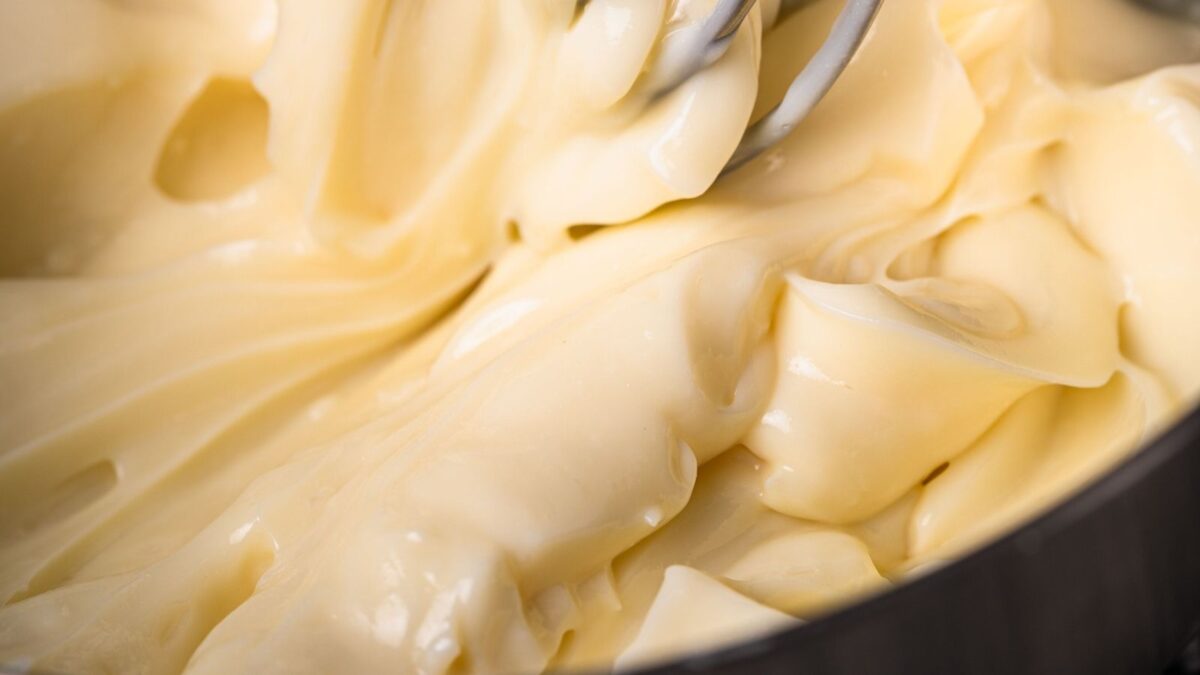
A mayonnaise-covered sandwich looks like an easy lunch to prepare ahead and freeze. You wrap it, store it, and expect a ready-made meal whenever hunger strikes. Unfortunately, mayonnaise can create an unwelcome surprise after thawing.
Instead of the smooth spread you remember, you may discover a mixture that looks oily or uneven. That change can affect the overall enjoyment of your sandwich, even when the other ingredients hold up. Food preservation guidance particularly identifies mayonnaise and salad dressing on sandwiches, rather than declaring every mayonnaise-containing recipe unsuitable for freezing.
If you’re preparing sandwiches ahead of time, consider leaving the mayonnaise out until you’re ready to eat. That simple choice can help you avoid an unpleasant texture without giving up the convenience of meal preparation.
Plain cooked pasta becomes mushy
Leftover spaghetti seems like an obvious freezer candidate. You already cooked it, and saving another portion feels much smarter than letting it go to waste. Unfortunately, plain cooked pasta doesn’t always make a graceful return from the freezer.
The Oregon State University Extension Service shows plain cooked pasta is classified as a food that does not freeze well because the freezing process typically causes it to become mushy or meal . That’s disappointing when you were hoping for noodles with the familiar bite of freshly cooked pasta.
A prepared lasagna, for instance, differs considerably from a container of plain spaghetti waiting for reheating. If you’re planning meals ahead, think about the complete dish rather than automatically freezing leftover noodles on their own.