5 Disadvantages of Using a Food Processor That Might Make You Think Twice
A food processor can chop vegetables in seconds, shred cheese with little effort, and turn ingredients into smooth dips at the push of a button. It sounds like the ultimate kitchen shortcut, especially when you’re preparing a big family dinner. But this convenient appliance has a few frustrating drawbacks that don’t always become obvious until you start using it regularly.
While food processors can simplify meal preparation, they aren’t necessarily the best choice for every household. From unexpected cleaning chores to limited countertop space, some disadvantages can make you wonder whether a simple kitchen knife would have been easier. Here are five potential downsides worth considering before buying a food processor or using one for your next meal.
Cleaning Can Take Longer Than the Actual Food Preparation
One of a food processor’s biggest selling points is saving time. Unfortunately, that convenience doesn’t always extend to cleaning up afterward. What takes seconds to chop can sometimes take several minutes to wash and dry.
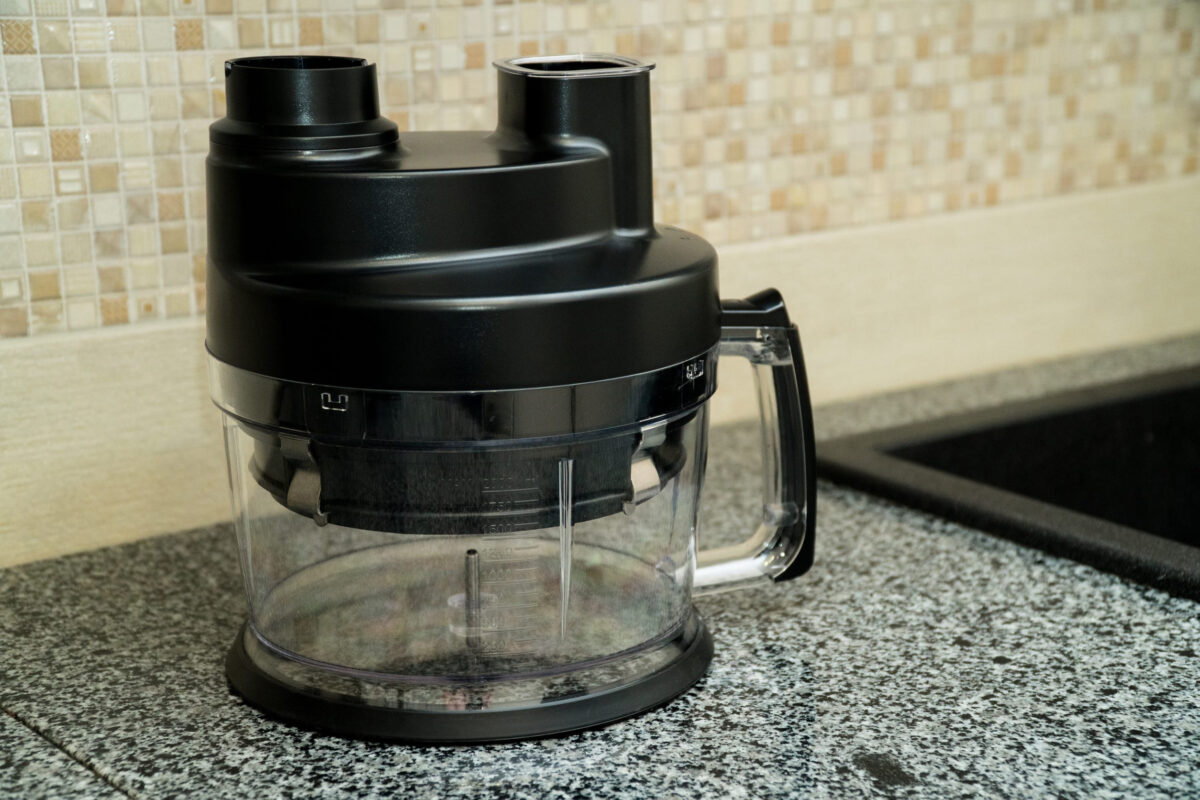
Unlike a regular kitchen knife, a food processor has multiple components that may need cleaning after each use. These can include the work bowl, lid, cutting blade, feeding tube, and other attachments. Small food particles can also get trapped around certain components, making cleanup more involved.
Sticky foods can make the job particularly frustrating. Ingredients such as cheese, dough, and thick sauces may cling to the blades and bowl, requiring additional attention. Although some models have dishwasher-safe components, manufacturers’ cleaning instructions vary, so check the manual.
KitchenAid’s 13-cup food processor product information describes a cleaning method involving warm water and a small amount of dish soap. However, the electrical motor base must never be submerged in water. If you’re only chopping one onion or a handful of vegetables, washing a knife and cutting board may be considerably simpler.
It’s Surprisingly Easy to Ruin Your Food’s Texture
Food processors are designed to work quickly, but sometimes that speed can become a disadvantage. A few extra seconds of processing can change ingredients’ texture more than you intended. Instead of evenly chopped vegetables, you might end up with something closer to a watery purée.
This is particularly frustrating when preparing dishes that depend on texture. Chunky salsa, vegetable salads, and certain fillings require ingredients to maintain their shape. Over-processing can make the finished dish less appealing.
Fortunately, many food processors include a pulse function that gives users more control. According to KitchenAid’s operating instructions, the pulse setting allows the machine to run in short bursts rather than continuously. This makes it easier to check the consistency between pulses.
However, mastering that control takes some practice. Different ingredients respond differently to processing, so there’s no single setting that guarantees the perfect result every time. Once vegetables have been reduced to mush, there’s no practical way to restore their original chopped texture.
The Sharp Blades Require Extra Attention
The blades that make food processors so effective can also create safety concerns. They’re designed to cut through ingredients rapidly, which means users must handle them carefully even when the appliance isn’t running. Accidental contact with a sharp cutting edge can cause injuries.
The risk doesn’t disappear when you switch off the machine. Removing blades, washing attachments, and storing cutting discs all require caution. Reaching into a bowl before safely removing the blade can be particularly dangerous.
Manufacturer guidance emphasizes several important precautions. KitchenAid’s food processor safety manual instructs users to keep hands away from moving blades, use the food pusher instead of fingers, and unplug the appliance before cleaning or disassembly. It also advises waiting until the blades have stopped completely before opening the machine.
Proper storage is another important consideration. Loose cutting discs placed inside crowded drawers can create unnecessary hazards when someone reaches for another utensil. Keeping attachments in a dedicated storage container helps prevent accidental contact.
Related: kitchen-items-you-should-get-rid-of/
Food Processors Can Take Up Valuable Kitchen Space
If your kitchen already feels crowded, adding a food processor might make the problem worse. Larger models require considerable counter or cabinet space, especially when their accessories are stored separately. This can become inconvenient in smaller kitchens where every inch matters.
Consider the KitchenAid 13-cup food processor with a dicing kit. Its official product overview identifies several attachments, including slicing and shredding discs, a multipurpose blade, a kneading blade, and a dicing kit. These accessories increase versatility but also add storage needs.
Some manufacturers address this problem with built-in storage solutions. For example, KitchenAid includes a storage caddy that fits inside the work bowl of certain models. Still, the appliance itself requires a permanent storage spot somewhere in the kitchen.
Keeping a large processor inside a cabinet can also make everyday use less convenient. If retrieving it involves moving several other appliances, you may be less inclined to use it for small tasks. A compact food chopper can be a more practical alternative for households with limited space.
It Isn’t Always the Best Tool for the Job
Despite their versatility, food processors have limitations. They excel at chopping vegetables, shredding cheese, mixing certain ingredients, and making dips. However, they cannot replace every kitchen appliance or perform every task equally well.
For example, a dedicated coffee grinder generally handles coffee beans better when consistent particle size matters. Similarly, not every food processor is designed for extremely hard ingredients or heavy mixtures. Checking the manufacturer’s instructions helps prevent improper use and possible damage.
Bread dough is another task that depends on the model. Some food processors include specially designed dough blades, while others restrict dough quantity or processing time. Assuming every machine handles dough equally well could lead to disappointing results.
Practicality is another consideration. When preparing a small amount of food, taking out a processor, assembling its attachments, and cleaning everything afterward may take longer than working by hand. Sometimes, a sharp knife, box grater, or small chopper is all you really need.
The Bottom Line
Food processors can make cooking much easier, especially when you’re preparing large quantities or recipes with many ingredients. However, their cleaning requirements, storage demands, sharp blades, and potential to over-process food can reduce their convenience. Understanding these limitations can help you decide whether one deserves a place in your kitchen.
Before investing in a food processor, think about how often you’ll use it and what tasks you need it to do. If you regularly prepare large meals, the appliance may be worth the extra effort. But for smaller cooking jobs, simpler kitchen tools may be just as effective.
Other articles you may like:
– things-you-should-never-store-under-your-kitchen-sink-according-to-experts/
– things-you-probably-remember-from-an-80s-kitchen/