8 Food Parts You Really Shouldn’t Be Throwing Away
How much of your dinner ends up in the trash before you even start cooking? Broccoli stalks, carrot tops, and bread heels often get discarded out of habit, even though they still offer something delicious.
Saving these overlooked ingredients does not require a complicated recipe or a refrigerator full of scraps. Often, a vegetable peeler, a hot oven, or a quick chop is enough to give them a purpose.
The key is choosing fresh, identifiable ingredients and preparing them properly. These eight parts of food deserve another look before you toss them.
Broccoli Stems
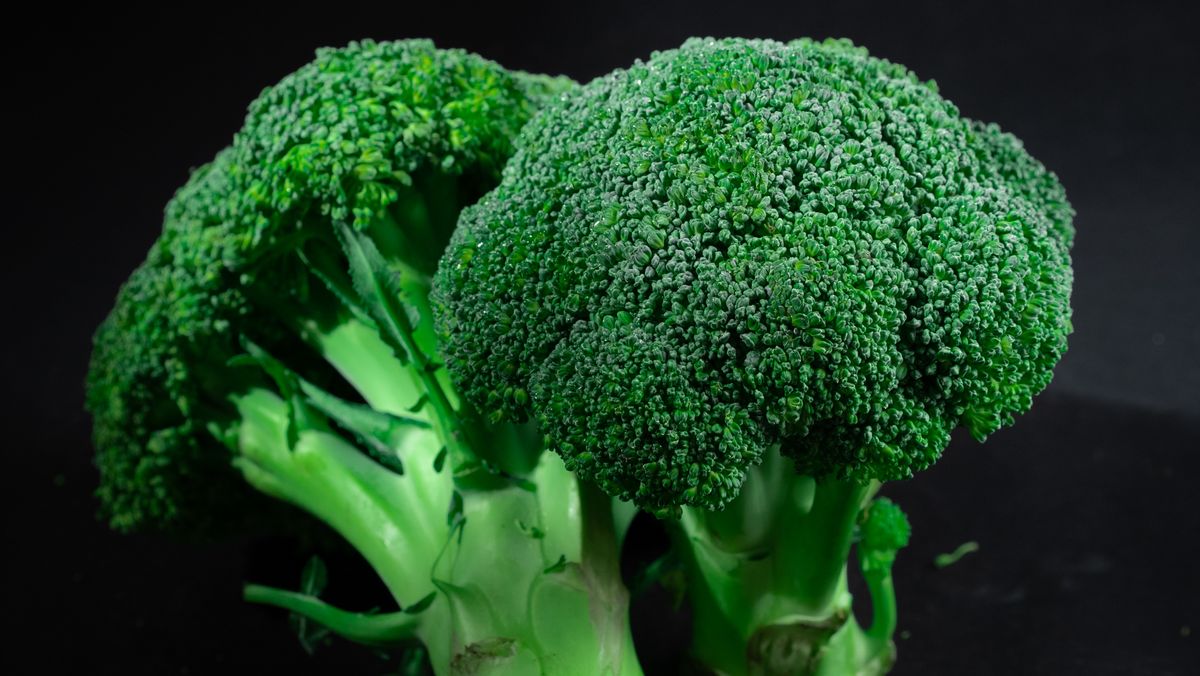
The florets get most of the attention, but the thick stalk underneath deserves space on your cutting board. Once you remove its tough outer layer, the interior can be sliced, shredded, or cut into small pieces for roasting.
Wash the stalk, trim the dry end, and peel away the fibrous exterior. Cut the tender center into evenly sized pieces, then toss with olive oil and your favorite seasonings. Roast alongside the florets, checking for tenderness as they cook.
You can also shred peeled stems into slaw for an easy way to use the whole vegetable.
Related: 8 Highly Protein-Rich Vegetables You Need to Include in Your Diet
Carrot Tops
Those leafy greens attached to fresh carrots can become a flavorful sauce instead of another handful of waste. Carrot tops work especially well in pesto, where garlic, nuts, Parmesan, olive oil, and basil help create a familiar combination.
Trim the greens and rinse thoroughly under running water, paying attention to trapped grit. Dry them, then roughly chop and process with the other ingredients.
Spoon the finished pesto over roasted carrots, toss it through pasta, or add a little to cooked vegetables. Use recognizable carrot greens in good condition, and leave unidentified garden foliage out of the blender.
Cauliflower Leaves
Before stripping every leaf from a cauliflower, check which ones are fresh enough to cook. The leafy sections can turn crisp in the oven, adding another texture to a tray of roasted vegetables.
Wash the leaves and cut them into manageable pieces. Thick ribs need more attention than delicate edges, so separate especially chunky sections and check their tenderness independently.
Toss everything lightly with oil and seasoning, then roast until the leaves crisp and the thicker parts soften. Serve beside the florets or enjoy as a simple side. Discard deteriorating leaves rather than trying to rescue them with heat.
Natural Parmesan Rinds
A hard Parmesan rind can still contribute plenty of flavor after the cheese is gone. Simmering a suitable natural rind in bean soup or minestrone adds savory cheese flavor with very little effort.
Check the product first. Authentic Parmigiano Reggiano has a natural rind, but wax, plastic, packaging, and other inedible coatings do not belong in your cooking pot.
Clean and dry the surface, scraping away impurities before adding the rind. Remove any tough pieces remaining before serving. For other cheeses, follow the producer’s guidance, and skip anything with abnormal mold, unpleasant odors, or uncertain storage history.
Citrus Zest
Before squeezing a lemon, consider saving its fragrant outer layer. Finely grated zest adds citrus flavor without extra juice, making it useful when a dish needs brightness without additional liquid.
Wash and dry the whole fruit before zesting. Use a fine grater with a light touch, taking only the colored surface and avoiding the bitter white pith underneath.
Mix lemon zest with chopped parsley and garlic for gremolata, then sprinkle it over a finished savory dish. When possible, choose unwaxed lemons, or thoroughly scrub waxed fruit with a vegetable brush. Never wash produce with soap or detergent.
Bread Heels and Stale Slices
Dry bread can become one of the easiest toppings in your kitchen. Bread heels and leftover slices make excellent croutons, especially when they’ve become too firm for an enjoyable sandwich.
Tear or cube the bread, toss with oil and seasoning, and spread it in a single layer on a baking sheet. Bake until golden and crisp, stirring as needed for even browning.
Add the croutons to soup or salad, or crush them into breadcrumbs. Keep one distinction clear: stale bread is usable; moldy bread should be discarded entirely, even when the visible patch looks small.
Celery Leaves
Celery leaves bring a pronounced celery flavor that works well in small amounts. Think of them as a finishing herb when soup, salad, or slaw needs something fresh.
Pick the leaves from the stalks, rinse them under running water, and dry them. Scatter tender leaves over celery soup or chop them into a dressing.
They also fit naturally into an apple, fennel, and celery slaw. Start modestly, taste, and add more if needed. Discard deteriorated leaves.
Related: 20 Essential Items To Store in the Refrigerator at All Times
Beet Greens
A bunch of fresh beets offers more than the roots. The leafy tops can become a simple cooked side with onion, garlic, and a splash of vinegar.
Rinse away grit, remove heavy or woody stems, and chop the leaves. Finely chop tender stems and add them to the pan before the leaves.
Cook until tender, then season to taste. Preparing the greens while the beets cook gives you another vegetable for dinner from the same purchase.
Before discarding anything, consider whether a little preparation could turn it into part of your next meal. Small changes like these can make everyday cooking satisfying.