Foods and Drinks You Should Think Twice About Before Your Next Flight
Flying can be uncomfortable enough without adding an upset stomach, bloating, or an unexpected trip to the airplane bathroom. Yet some of the foods and drinks travelers choose before boarding can make an already cramped journey less enjoyable.
That airport cheeseburger, fizzy soda, or extra-large coffee might seem harmless while you wait at the gate. But once you’re strapped into a seat thousands of feet above the ground, you may wish you’d chosen something different.
According to guidance from the Centers for Disease Control and Prevention (CDC), the Mayo Clinic, and federal travel authorities, certain foods and beverages deserve extra consideration when flying.
Not everything on this list is dangerous or strictly off-limits. Some choices are more likely to cause discomfort, while others pose genuine food-safety risks if stored improperly.
Here are the foods and drinks worth a second thought before or during your next flight.
Carbonated Drinks That Leave You Feeling Bloated
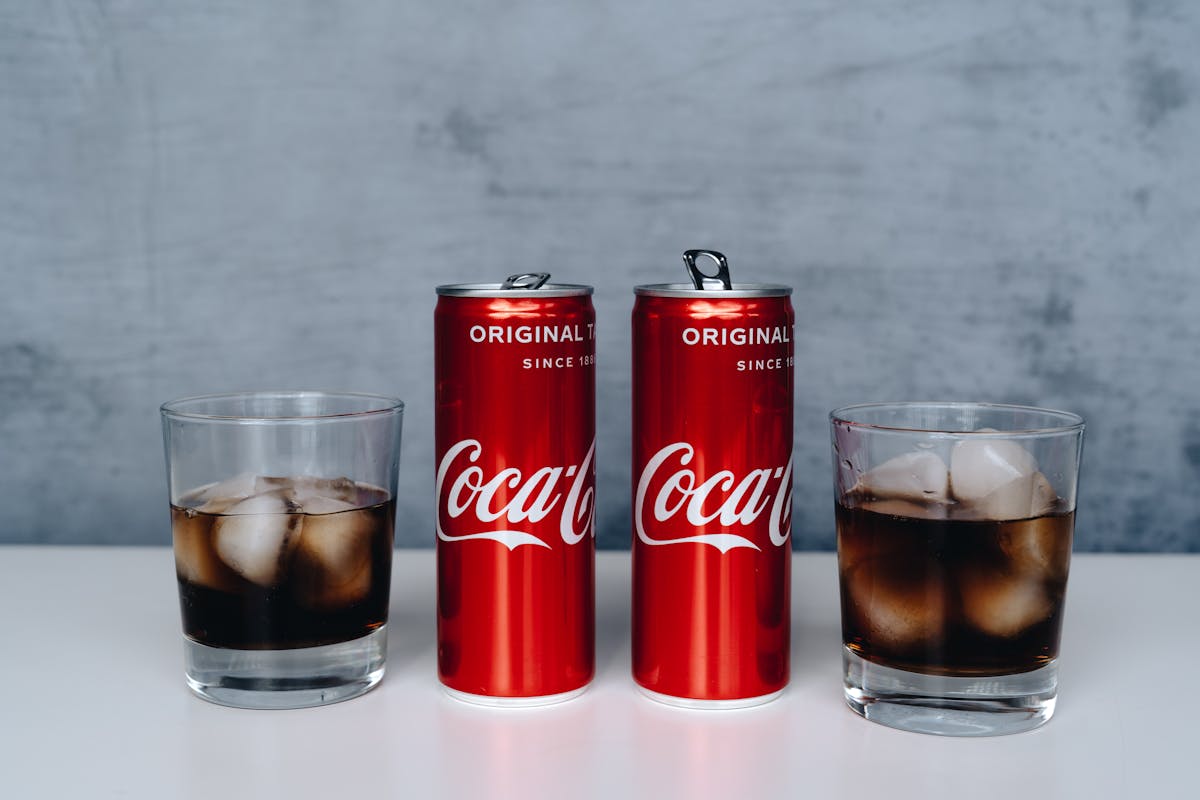
A cold soda might seem like the perfect way to relax during a long flight. However, carbonated beverages aren’t always the most comfortable choice in a cramped airplane seat.
The bubbles in soda, sparkling water, and other fizzy drinks contain carbon dioxide. Carbonated beverages can contribute to gas and belching.
That doesn’t mean everyone who drinks soda will experience discomfort. Some travelers can enjoy sparkling drinks without any issues.
But if you frequently feel bloated after consuming carbonated beverages, flying might not be the ideal time to order a large one.
Airplane cabins also operate at lower air pressure than conditions at sea level, which can make existing intestinal gas more noticeable.
Choosing still water is a straightforward alternative.
You won’t have to give up soda forever, but skipping it during a flight could make the journey more comfortable if you’re particularly sensitive to carbonation.
Large, Greasy Meals Before Boarding
Airport restaurants know exactly how to tempt hungry travelers.
Burgers, fries, fried chicken, and oversized breakfast sandwiches can be hard to resist when you’re facing several hours without another proper meal.
However, eating a particularly heavy meal immediately before boarding might not be the best decision.
According to the Mayo Clinic, fatty foods can slow digestion and may contribute to feelings of fullness or bloating in some people.
A large meal can also leave you feeling uncomfortable when you have limited room to move around.
The Department of Homeland Security advises travelers to avoid large meals during flights.
That doesn’t mean passengers need to board hungry.
Instead, eat a reasonably sized meal before departure and save heavier dishes for another occasion.
A sandwich, a modest rice dish, or another familiar meal may be easier to manage than an enormous fast-food combo.
The goal isn’t to follow a strict diet. It’s simply to avoid feeling overly full while sitting for hours.
Related:15 Eating Habits That Are Destroying Your Body Without You Knowing
Beans, Broccoli, and Other Gas-Producing Foods
Vegetables and legumes are common ingredients in everyday meals, but some can cause extra gas during digestion.
The Mayo Clinic identifies beans, peas, lentils, broccoli, cauliflower, cabbage, and onions as foods that can cause gas in some people.
These foods contain carbohydrates and other components that may be broken down by bacteria in the digestive system.
That process can produce gas.
For someone with a sensitive stomach, eating a large serving right before flying could cause uncomfortable bloating.
Dealing with that discomfort in a packed cabin isn’t ideal.
However, these foods aren’t universally problematic.
If you regularly eat beans or broccoli without experiencing discomfort, there’s no compelling reason to eliminate them simply because you’re taking a flight.
A more practical approach is to understand which foods affect you personally.
A long journey isn’t always the best time to try an unfamiliar dish, especially when restroom access may be limited during takeoff, landing, or turbulence.
Too Much Coffee or Strong Caffeinated Drinks
For travelers catching an early morning flight, coffee can feel essential.
A cup at the airport might help make a 5 a.m. departure seem slightly more manageable.
But drinking several large coffees or other highly caffeinated beverages can backfire, especially if you’re hoping to rest during the journey.
Caffeine can interfere with sleep, and some people are more sensitive to its effects than others.
The Center for Domestic Preparedness includes caffeine among substances travelers should consider avoiding during flights.
That guidance is especially relevant for passengers crossing time zones or hoping to sleep on a long-haul flight.
Coffee isn’t automatically a bad choice, and many travelers are familiar with moderate consumption.
The issue is timing and quantity.
Someone who regularly drinks one morning coffee may have a very different experience from a traveler who consumes several energy drinks before boarding.
If sleeping on the plane is important, consider limiting caffeine as your intended rest period approaches.
And don’t rely on coffee to replace water.
Too Much Alcohol Before or During the Flight
An airport cocktail or a glass of wine with dinner might seem like a relaxing way to begin a vacation.
However, alcohol deserves particular attention when traveling.
Drinking too much can impair coordination, judgment, and behavior, making it harder to respond appropriately to cabin crew instructions.
The International Air Transport Association has emphasized the importance of responsible alcohol service because intoxicated passengers can create safety problems.
Clear rules also govern alcohol consumption on U.S. commercial flights.
Passengers cannot drink alcohol aboard an aircraft unless it has been served by the airline.
That means bringing miniature liquor bottles onto a plane doesn’t permit passengers to drink them.
Airlines also cannot serve alcohol to passengers who appear intoxicated.
For anyone planning to drink during a flight, moderation is the sensible approach.
Avoiding alcohol altogether may be preferable if you’re hoping to sleep comfortably, stay alert, or reduce unnecessary disruptions during your journey.
Perishable Sandwiches Left Unrefrigerated
Bringing your own food onto a flight can be a convenient way to avoid expensive airport meals.
But not every homemade snack travels well.
Sandwiches containing meat, eggs, or other ingredients that require refrigeration need proper temperature control.
Perishable foods generally shouldn’t remain at room temperature for more than two hours.
That limit decreases to one hour when temperatures exceed 90 degrees Fahrenheit.
This becomes particularly important during travel delays.
A sandwich prepared at home might sit in a bag for a long time before you reach the airport, clear security, board the aircraft, and eventually eat it.
If the ingredients require refrigeration, that delay matters.
The CDC recommends insulated containers and cold packs when transporting perishable foods.
For a simpler option, consider commercially packaged crackers, pretzels, or other shelf-stable snacks.
These foods generally don’t require refrigeration.
The important point is that food safety doesn’t change simply because you’re traveling.
Raw or Undercooked Food From Uncertain Sources
Trying new foods is one of the pleasures of traveling.
But the CDC advises travelers to exercise caution with raw foods, especially when food-handling conditions or local water quality are uncertain.
Raw seafood, undercooked meat, and improperly washed produce can present food-safety concerns.
The issue isn’t that airport restaurants or airline meals are inherently unsafe.
Food prepared and handled correctly can be perfectly suitable for travel.
Instead, travelers should pay attention to the condition and source of what they’re eating.
The CDC recommends choosing food served properly hot or cold and avoiding items that appear to have been stored at unsuitable temperatures.
These precautions matter most when traveling through regions where food or water sanitation may be unreliable.
If you’re uncertain about a particular meal, a freshly cooked dish served hot or an unopened packaged snack may be a more practical option.
It’s much easier to enjoy a trip when you aren’t worrying about a questionable meal from earlier in the journey.
Related:5 Best Foods for Gut Health
Unfamiliar Food That Has Upset Your Stomach Before
Air travel may not be the best occasion to challenge your digestive system.
Perhaps you’ve noticed that certain spicy meals, creamy sauces, or particular ingredients sometimes leave you uncomfortable.
Eating a large meal right before a flight can cause discomfort that lasts for hours.
For some travelers, lactose-containing foods cause digestive symptoms. Others may react to specific sweeteners or unusually rich meals.
The Mayo Clinic notes that certain sugar substitutes, including sorbitol and mannitol, can contribute to gas.
These ingredients are sometimes found in sugar-free candy and other packaged products.
However, individual responses vary considerably.
No universal list of spicy foods, dairy products, or seasonings applies to every passenger.
A meal that causes discomfort for one person may be completely ordinary for another.
The sensible choice is to stick with foods you know you tolerate well, especially before a long journey.
Familiarity can be more useful than experimenting with something new at 35,000 feet.
What About Coffee, Tea, and Airplane Drinking Water?
One of the most persistent travel claims is that passengers should never drink airplane coffee or tea because aircraft water is supposedly always contaminated.
That statement goes further than the available evidence supports.
Aircraft drinking-water systems are subject to regulatory requirements, and water quality can vary by aircraft, airline, and maintenance practices.
The CDC advises travelers to consider drinking-water safety when traveling, especially in places where water quality is uncertain.
When there are concerns about a water source, sealed bottled beverages can offer a practical alternative.
However, there’s no reason to claim that every cup of airline coffee or tea is unsafe.
Travelers who want extra reassurance can request bottled water when available.
The more important lesson is to distinguish a specific water-quality concern from an internet rumor applying to every flight.
What Should You Eat and Drink Instead?
You don’t need an elaborate meal plan to travel comfortably.
For most passengers, a familiar meal in a reasonable portion is a sensible starting point.
Shelf-stable snacks like crackers or pretzels are easy to carry, and properly refrigerated meals can also work.
Still water is another straightforward choice, especially on longer journeys.
If you plan to bring food from home, check airline and airport security restrictions, particularly for liquids, spreads, and international travel.
Some destinations also restrict importing meat, fruit, vegetables, and other foods.
Ultimately, the best airplane meal is one that is properly stored, familiar to you, and comfortable to eat while seated.
Other Posts You Might Like:
8 Foods and Drinks to Skip Before Your Next Flight
10 Things Frequent Travelers Wish They Knew Before Their First Long-Haul Flight