7 Foods You Should Never Put in the Microwave
The microwave is one of the most convenient appliances in the kitchen. It makes quick work of leftovers, especially when you’re hungry and don’t feel like cooking all over again. But convenience sometimes comes at the expense of texture.
Some foods lose the very qualities that made them enjoyable in the first place. Crispy coatings soften, flaky pastries turn soggy, and crunchy crusts become disappointingly limp.
That doesn’t mean these seven foods can never be microwaved. However, if you want your leftovers to taste closer to freshly made, another reheating method is usually worth the effort.
Leftover Pizza
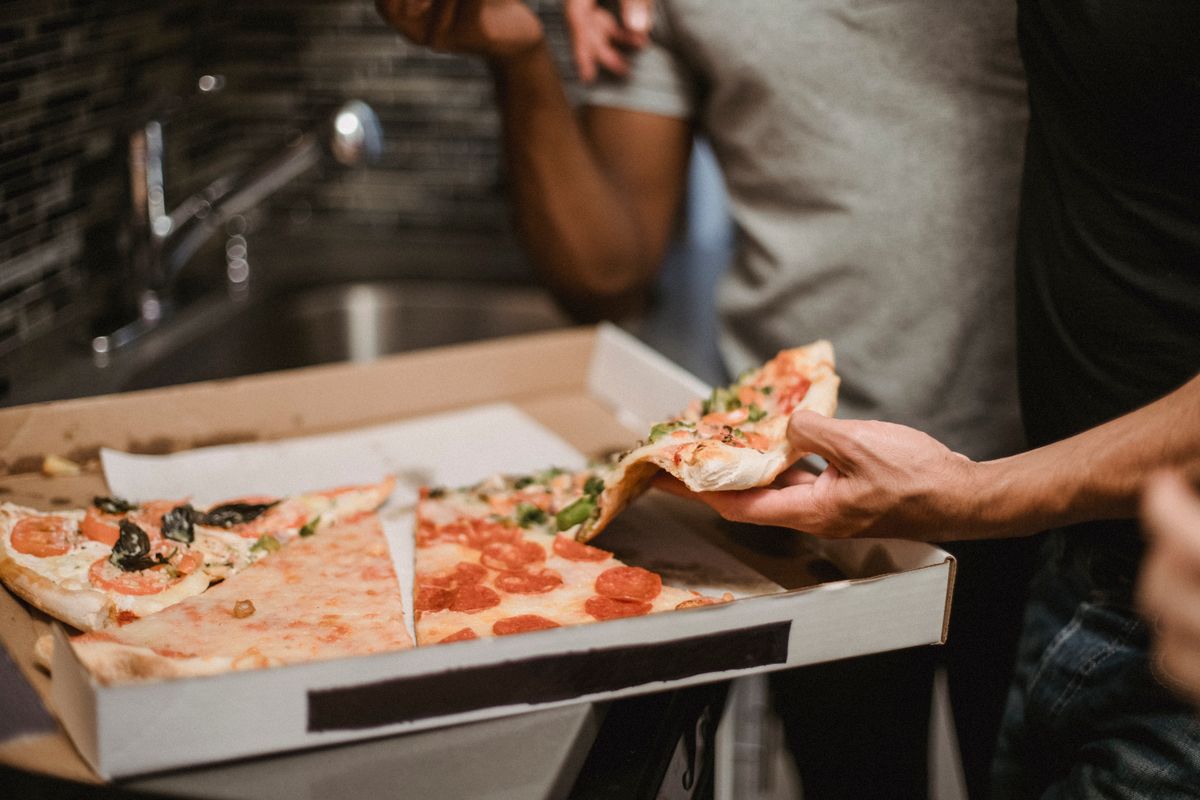
Nothing ruins the excitement of leftover pizza quite like picking up a steaming slice and watching the crust fold under its own weight.
According to Good Housekeeping, microwaving pizza can leave the crust floppy while heating different parts of the slice unevenly. A skillet offers a better solution. Place your pizza in a dry skillet over medium-high heat for one to two minutes, allowing the bottom to become crisp.
Next, add one to two tablespoons of water around the edge of the pan, keeping it away from the crust. Cover the skillet, reduce the heat to low, and cook for another 30 to 60 seconds. You’ll get a crispier base without sacrificing that delicious melted cheese.
French Fries
French fries are practically made for eating fresh. Unfortunately, the leftovers rarely deliver the same experience, especially after a trip through the microwave. You might get hot fries, but that doesn’t necessarily mean you’ll get good fries.
The Spruce Eats explains that microwaving leftover fries tends to make them soggy, taking away the crunchy exterior that makes them so appealing.
Instead, reach for a skillet. Heat approximately two teaspoons of vegetable oil over medium-high heat. Spread your fries in a single layer, making sure the pan isn’t overcrowded.
Turn them regularly for approximately three to five minutes, depending on their thickness. If you’re reheating a larger batch, the oven is another option worth considering.
Fried Chicken
Leftover fried chicken can still make an excellent meal, but its crunchy coating deserves more attention than a quick microwave session.
Microwaving can warm the chicken without restoring the crisp exterior that made it so satisfying when freshly cooked. According to Maytag’s reheating guide, conventional ovens and air fryers are better choices when achieving a crispy coating is the priority.
For oven reheating, preheat your oven to 400°F. Arrange the chicken pieces uncovered on a wire rack positioned over a baking sheet. Leave enough space between them to allow hot air to circulate.
This setup helps the exterior lose excess moisture and regain some crunch. Microwaving remains an option, but the oven is more promising when texture matters.
Related: How to Use a Microwave Air Fryer Combo Effectively: Top Tips and Tricks
Bread and Dinner Rolls
There’s something comforting about a warm dinner roll, especially when you’re enjoying leftovers from a homemade meal. Unfortunately, the microwave can make that simple pleasure surprisingly short-lived.
Bread might feel wonderfully soft immediately after microwaving, only to become tough and chewy as it cools. The Spruce Eats describes this familiar problem and explains why the microwave isn’t always the best choice for reheating bread.
The oven offers a more satisfying alternative. Wrap your bread or dinner rolls in aluminum foil and warm them in an oven set to 350°F. This approach is particularly useful when you want warm, soft bread rather than a toasted exterior. It may require a little more patience, but you won’t have to rush through your roll before its texture changes.
Croissants
A good croissant is all about its delicate layers. The exterior should have a light, flaky texture that makes every bite feel special. Unfortunately, microwaving can leave those beautiful layers greasy and soggy.
In a comparative test by Pantry & Larder, microwave reheating received a score of just 3 out of 10, while conventional oven reheating earned 9 out of 10.
Those scores reflect that particular tester’s experience, but the difference illustrates why reheating methods matter for pastries. For better results, warm your croissant in a conventional oven at 300°F for approximately seven to ten minutes.
A toaster oven can also work, typically requiring about three to five minutes. Leave the croissant uncovered when preserving its flaky exterior is your main goal. Wrapping it in foil can produce a softer, less flaky finish.
Roasted Potatoes
Freshly roasted potatoes have an appeal that’s difficult to beat. Their browned edges provide a satisfying contrast to the softer interior. Unfortunately, that contrast can disappear when leftovers go straight into the microwave.
Chef Marissa Wolken, featured in Food Republic, explains that moisture turning into steam during microwave reheating can leave roasted potatoes soggy.
If crispy edges are what you’re after, try an air fryer instead. Set it to 375°F and reheat the potatoes for approximately five minutes. Alternatively, use a conventional oven at 400°F for approximately 15 minutes.
These timings are useful starting points rather than guarantees, since results can vary between batches. The important distinction is that you’re trying to revive those browned, roasted surfaces, not simply warm the potato pieces.
Related: Maintaining Your Microwave Air Fryer Combo: Expert Advice for Lasting Performance
Chicken Pot Pie
Chicken pot pie is more than just a warm filling tucked inside pastry. That golden crust is an essential part of the experience.
Microwaving might seem like the easiest way to prepare a leftover portion, but it doesn’t offer the same opportunity to bring back the pastry’s crisp texture.
That’s why Bon Appétit’s guide to reheating leftovers recommends using a conventional oven. Preheat your oven to 375°F and initially cover the pot pie with aluminum foil. During the final few minutes of reheating, remove the foil so the pastry can crisp.
This two-stage approach gives the filling time to warm while allowing the crust to receive attention of its own. The reheating time will depend on the pie’s size, so there’s no single timing that works for every portion. For a dish where the crust contributes so much to the overall experience, the oven is worth using.