9 Grocery Items That Are Almost Always Overpriced
Ever walk into the grocery store for a few essentials and somehow leave with a bill that makes you question everything in your cart? You’re not imagining how quickly small purchases add up. Some of the biggest grocery budget drains are ordinary products that shoppers buy without comparing prices.
The surprising part is that expensive groceries aren’t always luxury foods. Sometimes, you’re paying extra for chopped vegetables, a familiar brand name, or packaging that makes an everyday product look special. Comparing unit prices can reveal substantial differences between similar grocery products.
Of course, convenience sometimes deserves a place in your budget. But when you’re trying to stretch your grocery dollars, a few simple swaps can make a difference.
Here are nine everyday grocery purchases worth thinking twice about before heading to checkout.
Pre-Cut Fruit in Plastic Containers
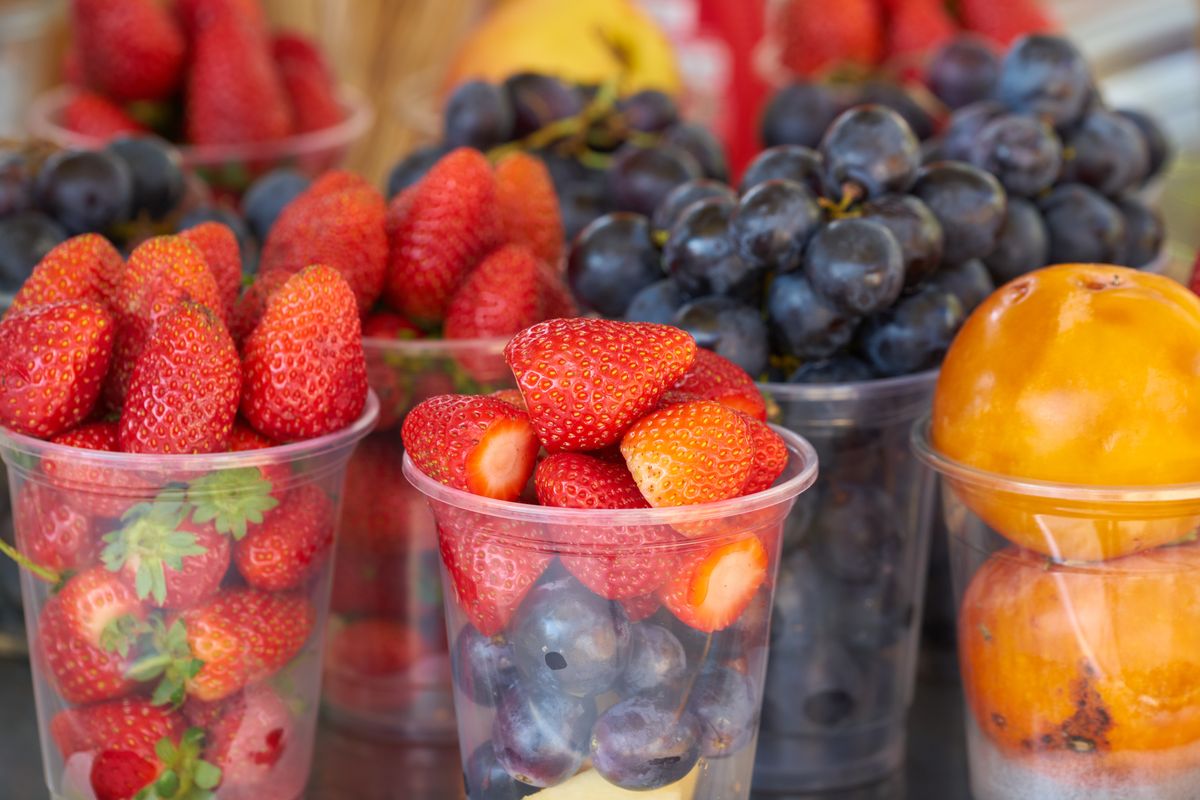
Those colorful containers of sliced watermelon, pineapple, and strawberries look incredibly tempting.
Everything is washed, chopped, and ready to eat. No cutting board, sticky countertop, or extra dishes required.
But that convenience can carry a surprisingly high price.
Iowa State University Extension notes that pre-cut fruit can cost at least three times as much as whole fruit. It may also spoil faster once prepared.
Think about a container of pineapple chunks. Someone has already removed the skin, cut away the core, and placed the pieces in convenient packaging.
You’re paying for that work.
The smarter swap: Purchase whole fruit and prepare it yourself when practical.
A whole watermelon or pineapple can offer better value, especially when several people will be eating it.
However, consider how much you’ll actually use. If you’re shopping for one person, a small prepared container may still be the more economical choice when the alternative would go to waste.
Individually Packaged Snack Packs
Those tiny bags of crackers, cookies, and pretzels make packing lunches effortless.
You grab one, toss it into a lunchbox, and you’re finished.
Unfortunately, convenience-sized packages can cost more per ounce than larger versions of the same snack.
The individual wrappers also add packaging you don’t need when you’re eating at home.
Imagine a large bag of pretzels next to a box containing several small bags.
The box may look reasonably priced, but the amount of food inside could be considerably smaller.
That’s where unit pricing becomes useful.
Consumer Reports recommends comparing the price per ounce or pound rather than relying on the package price alone.
The smarter swap: Buy a larger package and divide snacks into reusable containers.
It takes a few extra minutes, but it gives you more control over portions and packaging.
Before buying, compare the actual unit prices. Sometimes promotional discounts make individual packs competitive.
Shredded Cheese in Resealable Bags
Pre-shredded cheese might be one of the greatest conveniences in the refrigerator.
Need tacos? Open the bag.
Making pizza? Sprinkle some on top.
Preparing a casserole? Dinner practically assembles itself.
But buying shredded cheese means paying for processing and packaging that you could potentially handle at home.
A block of cheddar or mozzarella can sometimes cost less per pound than an equivalent shredded variety.
However, prices vary by store, brand, and promotion, so blocks aren’t automatically the cheaper choice.
The smarter swap: Compare similarly sized packages of block and shredded cheese.
If the block costs less, grate what you need and refrigerate the remainder according to the package instructions.
You can also prepare extra shredded cheese for later use.
Remember that convenience has value, especially when you’re short on time or have difficulty using a grater.
The goal isn’t to make every meal more complicated. It’s to recognize when the convenience premium is larger than you’re comfortable paying.
Bottled Water for Everyday Drinking
A cold bottle of water is convenient when you’re traveling, at an event, or away from home.
But regularly purchasing single-use bottles can become an expensive habit.
The cost isn’t just the water.
You’re also paying for bottling, packaging, transportation, and retail distribution.
If your household has access to safe drinking water, purchasing bottles for routine use may be unnecessary.
Consider how often a family might reach for bottled water in an ordinary week.
Even small purchases add up over several months.
The smarter swap: Fill reusable bottles with safe tap water or appropriately filtered water.
If local water quality is uncertain, consult your water supplier’s guidance before making the switch.
Bottled water still makes sense for emergencies, travel, or situations where safe alternatives aren’t available.
But it doesn’t necessarily need to be an everyday grocery expense.
Brand-Name Pantry Staples
A familiar logo can make a product feel like the obvious choice.
Maybe you’ve purchased the same flour, sugar, canned tomatoes, or dried pasta for years.
You recognize the package, trust the name, and barely glance at the price.
Meanwhile, a store-brand version may be sitting just inches away.
Consumer Reports’ 2026 supermarket price comparison found substantial differences in grocery basket costs across retailers, illustrating why price comparisons matter.
Brand-name products aren’t automatically overpriced, and their ingredients or quality can differ from store alternatives.
But paying more solely because you recognize the packaging isn’t always necessary.
The smarter swap: Start with simple staples such as salt, flour, pasta, and canned vegetables.
Compare package sizes, ingredients, and unit prices.
Try a store-brand version of something you use frequently. If it performs just as well for your needs, the switch may be worth keeping.
And if the original genuinely tastes better to you, that’s a reasonable reason to stick with it.
Pre-Washed Salad Kits
Those bagged salad kits can be lifesavers on busy evenings.
They often include chopped greens, toppings, dressing, and sometimes crunchy extras.
Open the package, toss everything together, and dinner has a side dish.
The convenience is hard to beat.
But a ready-made kit can cost more per serving than assembling a similar salad from separate ingredients.
You’re paying for preparation, individual packets, and packaging.
Freshness is another issue.
Leafy greens can deteriorate quickly once cut and packaged, making it frustrating to discover a forgotten salad kit in the refrigerator.
The smarter swap: Compare the kit’s price with the cost of lettuce, carrots, cabbage, and dressing purchased separately.
If you regularly prepare salads, buying ingredients individually may provide better value.
However, a single kit can be sensible for someone who wants one salad and would otherwise discard most of a large head of lettuce.
The cheapest grocery purchase is rarely a bargain if half of it ends up in the trash.
Single-Serve Yogurt Cups
Individual yogurt cups are convenient for breakfast, lunchboxes, and quick snacks.
They also come in countless flavors, making it easy to grab whatever sounds appealing.
But smaller containers can cost more per ounce than larger tubs.
That’s especially worth checking if several family members eat yogurt regularly.
Imagine purchasing five individual cups every week when a larger container might cover the same number of servings.
The difference may seem small during one shopping trip.
Over time, repeated purchases can affect your grocery budget.
The smarter swap: Compare the unit price of individual cups with larger containers of the same or similar yogurt.
If the larger tub offers better value, portion it into reusable containers.
Add your preferred fruit, flavorings, or toppings.
Avoid buying an oversized tub unless you’re confident you’ll finish it within the recommended period after opening.
Pre-Marinated Meat Packages
Walk past the supermarket meat counter, and you’ll probably notice chicken, pork, or beef already sitting in colorful marinades.
The packaging promises an easy dinner.
Just open, cook, and serve.
That sounds wonderful after a long day.
But pre-marinated meat may cost more per pound than a comparable plain cut.
You may be paying extra for seasoning, preparation, packaging, and convenience.
There’s another detail worth checking: the package weight may include marinade, depending on the product.
That makes comparing meat prices less straightforward.
The smarter swap: Compare the price of plain meat with the seasoned version.
Then consider whether you already have ingredients such as oil, vinegar, garlic, or dried spices at home.
Making a marinade yourself can be inexpensive when you already have those ingredients.
However, if you’re buying several specialty ingredients for one recipe, the prepared option might be more practical.
Use the price difference and your cooking schedule to decide.
Small Packages of Rice, Oatmeal, and Other Staples
A small bag of rice or a box of individual oatmeal packets may seem inexpensive because the total price is low.
But smaller packages don’t always provide the best value.
A larger bag of the same staple may cost less per pound or ounce.
This is especially noticeable with foods you buy repeatedly.
The USDA explains that processing, packaging, and other services contribute to the final prices consumers pay for grocery products.
That doesn’t mean buying in bulk always saves money.
A ten-pound bag of rice is only useful if you have appropriate storage and will consume it.
Similarly, a huge container of oatmeal isn’t a bargain if your household rarely eats it.
The smarter swap: Compare unit prices across package sizes, then consider your available storage space.
For products you use regularly, buying a larger package may reduce how often you need to restock.
For occasional ingredients, smaller packages can prevent unnecessary waste.
How to Spot an Overpriced Grocery Item Before Buying It
You don’t need to spend an hour inspecting every shelf to shop more carefully.
Start with one simple habit: check the unit price.
That small number on the shelf label tells you what a product costs per ounce, pound, quart, or another standard measurement.
It makes it easier to compare different package sizes.
For example, a larger package might cost more overall but less per ounce.
Also, remember that appearance can influence how valuable something seems.
Fancy containers, attractive labels, and convenient packaging may make a product more appealing without changing its basic usefulness.
When comparing fresh, frozen, and canned produce, don’t assume one form is always cheaper.
USDA research found that prices vary significantly depending on the specific fruit or vegetable and how it’s sold
Finally, consider waste.
A lower unit price doesn’t help if you buy more food than your household can finish.