USDA Says Your Thanksgiving Turkey Will Cost More This Year, but Eggs Are Way Cheaper
Thanksgiving dinner could come with a higher price tag this year, but some grocery staples are finally giving shoppers a break. Americans preparing for the 2026 holiday season may notice an interesting difference in grocery prices. Turkey is getting more expensive, while eggs and some dairy products are becoming cheaper. Retail egg prices were 20.6% lower in September 2026 compared to September 2025, according to the USDA Economic Research Service Food Price Outlook
For households planning Thanksgiving meals, these contrasting trends make grocery budgeting especially important. Here are five price developments worth understanding before filling your holiday shopping cart.
Turkey prices are climbing, but supermarket increases may be smaller
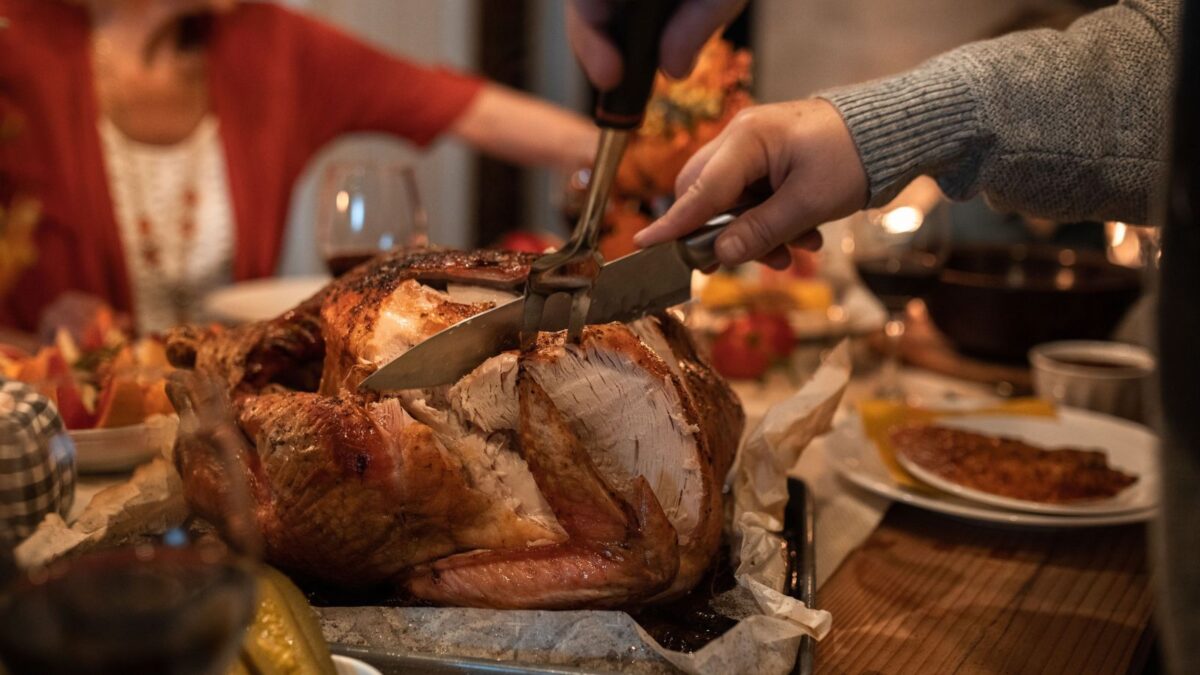
The centerpiece of Thanksgiving dinner is becoming more expensive, although the increase at grocery stores may be less dramatic than wholesale figures suggest.
The USDA Economic Research Service, shows wholesale frozen whole hen turkey prices are projected to average 175.5 cents per pound or about $1.76 per pound in 2026, up from 136 cents per pound or 135.8 cents in 2025. The agency also forecasts fourth-quarter prices of approximately 175 cents per pound, reflecting the pricing environment as holiday demand increases.
However, shoppers should pay closer attention to retail comparisons. While that increase matters for households watching their spending, it is considerably smaller than the projected wholesale jump. Actual prices may also differ between stores.
Eggs are offering shoppers significant savings
One of the biggest pieces of good news for Thanksgiving shoppers is coming from the egg aisle. For families purchasing eggs for holiday baking and meal preparation, that represents a welcome contrast to rising turkey prices.
The improvement is connected to recovering egg production. Previous disruptions involving bird flu affected laying flocks, contributing to higher prices. Production has since been recovering, with sufficient replacement hens expected to help maintain flock numbers despite normal turnover and disease-related losses.
Still, prices are not falling every month. Eggs became 1% more expensive between August and September 2026. This means shoppers can benefit from lower prices compared with last year without assuming every future grocery trip will bring another discount.
Relatable: 14 Strange Thanksgiving Traditions That Everyone Pretends Aren’t Weird
What Thanksgiving shoppers should keep in mind

Laura James/Pexels
Thanksgiving grocery costs will vary considerably depending on what families purchase. The average American family’s Thanksgiving dinner bill is projected to reach $90 in 2026, up from $88 in 2025, according to a forecast by PwC shared with ABC News. Turkey, fresh vegetables, coffee, and certain sweets are facing higher prices, while eggs and dairy products offer some relief.
The best way to approach this year’s Thanksgiving shopping is to look beyond the headline percentages. Wholesale forecasts, annual averages, and individual supermarket prices measure different things. Comparing actual store prices and planning purchases around the ingredients needed can help households make more informed decisions.
With some Thanksgiving essentials becoming cheaper and others more expensive, understanding those differences could make holiday meal planning a little easier.