Americans Are Changing How They Grocery Shop After the Biggest Food Price Surge in 50 Years.
The American grocery cart has become a symbol of a new economic reality. After the biggest food price surge in roughly half a century, shoppers across the country are changing the way they buy, cook, and plan meals as everyday essentials continue to cost far more than they did just a few years ago.
The weekly trip to the supermarket used to be a predictable routine for millions of families. Shoppers knew their favorite brands, filled their carts with familiar items, and rarely had to calculate every decision. That reality has changed.
Today, many Americans are walking through grocery aisles with a different mindset. They are comparing prices more carefully, choosing store brands, searching for discounts, buying fewer premium products, and adjusting family meals to protect their budgets.
The shift is not simply about inflation numbers. It is about how a historic jump in food prices has changed everyday behavior.
According to government data, grocery prices have climbed dramatically since 2019, with food at home rising by more than 30% in just a few years. The increase represents one of the fastest periods of food inflation experienced by American households in modern history.
Even as inflation has cooled from its peak, many shoppers say they are still feeling the pressure because grocery prices remain significantly higher than before the pandemic.
The result is a transformation in how Americans think about food.
The Grocery Store Has Become a Place for Financial Decisions

For many households, grocery shopping is no longer just about convenience or preference. It has become a weekly budgeting exercise. A shopper looking at a package of meat, a carton of eggs, or a favorite snack is often asking a different question than before: Is this still worth the price?
Families are increasingly planning meals around sales instead of buying ingredients based only on preference. Some are visiting multiple stores to find better deals. Others are relying more heavily on coupons, loyalty programs, and discount grocery chains.
The traditional shopping habit of buying the same products every week has been replaced by flexibility. A family that once purchased a specific cereal brand may now choose the cheaper alternative. A household that regularly bought steak may switch to chicken, beans, or other lower-cost proteins.
These choices may seem small, but millions of households making similar changes have reshaped the grocery industry.
A Perfect Storm Sent Food Prices Higher

The historic rise in grocery costs was caused by a combination of events rather than one single factor.
The COVID-19 pandemic disrupted global supply chains, creating shortages in everything from transportation to packaging materials. Labor challenges affected food production and distribution, while shipping delays increased costs across the supply network.
At the same time, farmers and producers faced higher expenses for fuel, fertilizer, equipment, and animal feed. Extreme weather added another layer of pressure. Droughts, storms, and changing growing conditions affected crops and livestock production in different parts of the country.
Global conflicts also influenced food markets. Energy disruptions and instability in major agricultural regions affected transportation costs and the availability of certain products. Every step of the food journey became more expensive.
From farms to warehouses to delivery trucks and grocery shelves, rising costs moved through the entire system until they reached consumers.
Meat, Eggs, and Everyday Staples Became Symbols of Inflation
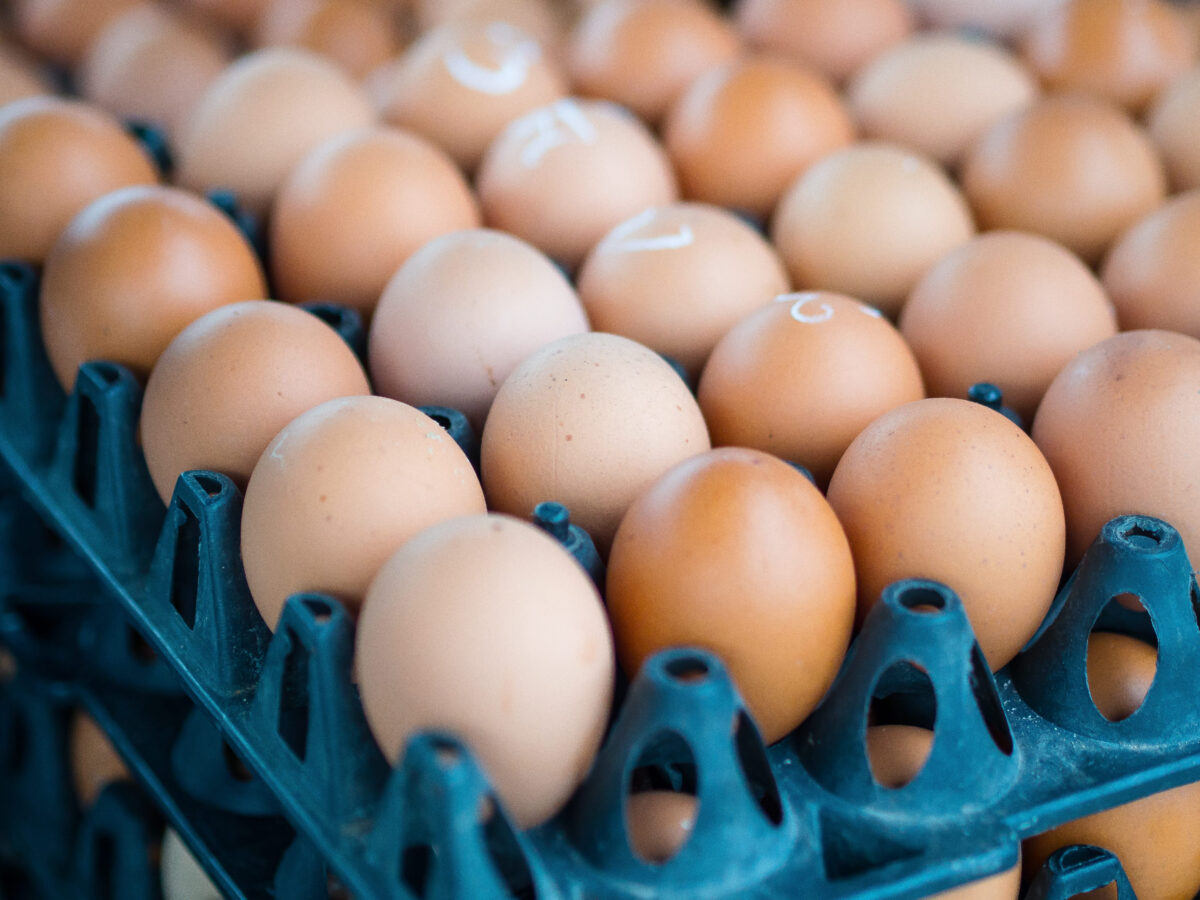
Few products have represented rising grocery costs more visibly than meat and eggs. Beef prices have remained a major concern for shoppers, with cattle supply challenges contributing to higher prices. Years of drought conditions reduced herd sizes, while the cost of raising livestock increased.
For many families, beef has become less of an everyday purchase and more of an occasional treat.
Egg prices have also become a household talking point. Disease outbreaks affecting poultry supplies, particularly avian influenza, have contributed to major price swings. These increases have changed shopping habits.
Some consumers are buying smaller quantities. Others are replacing expensive ingredients with alternatives that provide similar nutritional value at a lower cost. The changes are not limited to one category. Coffee, dairy products, fresh produce, and packaged foods have all experienced price increases that have forced consumers to rethink their spending.
Store Brands Are Winning More Customers
One of the biggest changes in American grocery shopping has been the growing popularity of store brands. Private label products, once viewed by some shoppers as lower-quality alternatives, have gained acceptance as families look for ways to reduce spending without sacrificing basic needs.
Many store brand products are produced in the same facilities as national brands but are sold at lower prices because they often involve less advertising and marketing expense.
The economic pressure has encouraged more shoppers to experiment. A consumer who previously refused to switch from a familiar brand may now choose the cheaper option simply because the savings add up over time.
For retailers, this shift has become an important opportunity. Supermarkets are expanding their private label offerings as customers continue searching for value.
Americans Are Cooking Differently
The impact of rising grocery prices is also changing what happens after shoppers leave the store. Meal planning has become more common as families try to reduce waste and stretch ingredients further.
Instead of deciding what to eat at the last minute, many households are planning meals around what is already available or what is discounted. Leftovers are being used more creatively. Expensive ingredients are being replaced with affordable alternatives. Large family meals are being adjusted to reduce costs.
For some families, these changes represent a return to older habits where careful planning and avoiding waste were essential parts of household management.
The modern grocery shopper is becoming more strategic, using technology, planning tools, and price comparisons to make every dollar work harder.
Low-Income Families Feel the Greatest Impact
While rising grocery prices affect everyone, the burden is heavier for households with limited income. Food is a necessary expense, and families with smaller budgets have fewer options when prices increase.
A household earning less money may already struggle with housing, transportation, healthcare, and childcare costs. A higher grocery bill can force difficult decisions. Some families may reduce the variety of foods they purchase. Others may delay buying certain items or depend more on food assistance programs and community resources.
The challenge is that food inflation does not happen in isolation.
When groceries become more expensive at the same time as rent, utilities, and other costs rise, household budgets become increasingly strained.
Grocery Inflation Has Become a Political Issue

Food prices have also become one of the most visible economic issues in American politics. Unlike some economic indicators that people may only hear about in reports, grocery prices are experienced every week.
Consumers notice when a shopping trip that once cost $100 now costs significantly more. They notice when smaller packages carry higher prices. They notice when their favorite products become harder to afford.
Because food is such a personal part of daily life, grocery costs have become a powerful measure of how Americans feel about the economy.
Political leaders from both parties have debated the causes of higher food prices and the best solutions, including supply chain improvements, energy policies, trade decisions, and efforts to reduce costs for families.
The New American Shopper Is Here to Stay
Even if inflation continues to slow, many of the shopping habits created during this period are unlikely to disappear. Consumers who learned to compare prices, use discounts, and explore cheaper alternatives may continue those behaviors long after prices stabilize.
The grocery store has changed from a place of routine purchasing into a place of careful decision-making. The biggest lesson from the food price surge is that Americans are adaptable.
Families have adjusted recipes, changed brands, explored new stores, and found creative ways to manage higher costs.
But the experience has also revealed how deeply food prices affect everyday life. The grocery cart tells a larger economic story. Every product placed inside reflects choices about affordability, priorities, and financial pressure.
After one of the largest food price increases in generations, Americans are not just shopping differently. They are living differently.