8 Habits That Could Damage Your Vintage Kitchenware
Your favorite vintage bowl can survive decades, then suffer from a cleanup shortcut. The Corning Museum of Glass reports that Corning Glass Works released more than 150 Pyrex opalware patterns between 1956 and 1987. Those colorful designs help explain the appeal of an inherited collection. But preserving those pieces takes more than avoiding a drop. Everyday washing can scratch glass.
Careless cooking can crack enamel. Lingering moisture can leave bare cast iron rusty. Current manufacturer instructions and museum conservation advice offer a useful starting point. The trick is matching your habits to each material, because your casserole dish and skillet need different treatment.
Let hot dishes cool first
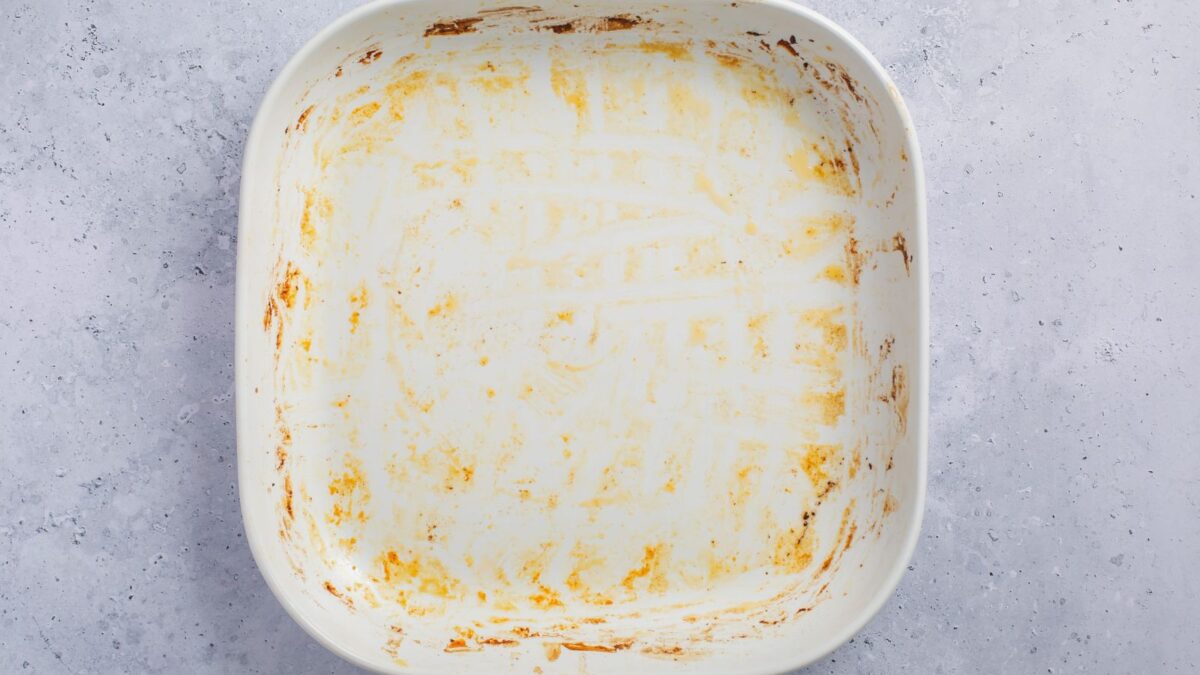
A piping hot casserole dish needs a cooling break before it meets the tap.“AVOID sudden temperature changes,” and warns against adding liquid to hot glass. Cold water and cool or wet surfaces can cause breakage. Set the dish on a dry potholder, dry cloth, or cooling rack, then let it cool before washing.
Keep freezer-to-hot-oven transfers out of the routine, too. Resist the urge to rush straight from serving dinner to rinsing the empty dish. Giving glass time to cool makes a much better cleanup habit than testing how much of a temperature swing your favorite casserole can take.
Skip the dishwasher for vintage glass
The dishwasher offers a much easier exit from a sink full of dishes, but collectible glass deserves gentler treatment. The Corning Museum of Glass former chief conservator Stephen Koob explicitly warns that you should never put Pyrex through a dishwasher. He recommends detergent with a gentle sponge or cotton towel instead.
Today’s Pyrex allows dishwasher cleaning for current glassware, which serves a different purpose from preserving an older finish. Keep your patterned favorites beside the sink for hand-washing. That small change puts preservation ahead of convenience without turning cleanup into a complicated project.
Relatable: 8 Vintage Household Items From the ’80s That Are Worth a Fortune Today
Keep bare cast iron out of soaking water
A plain cast-iron skillet does not belong in an overnight sink soak. Soaking encourages rust and says dishwashers can strip seasoning. That protective cooking surface deserves a better finish to dinner. Hand-wash the skillet, dry it completely, and wipe on a thin layer of oil.
You can use a little dish soap under Lodge’s instructions, so you need not treat soap as the villain. Focus instead on keeping prolonged moisture out of the routine. Save the leisurely soaking approach for suitable glassware, and give your uncoated iron a reasonably prompt wash-and-dry routine after cooking.
Stop scraping with rough tools
That baked-on corner does not need a showdown with a big knife. Start with warm, soapy water and a soft sponge or cotton towel. If food hangs on, let the glass soak before trying again.
Le Creuset recommends washing your cookware with warm water, a mild dish soap, and a soft natural or nylon sponge or brush. Match the cleaning tool to the surface before you scrub. A stubborn bit of dinner calls for patience, because a scratch can outlast the mess that tempted you to reach for something rough.
Cushion cookware before stacking
A crowded cabinet can turn putting dinner away into a clattering balancing act. A soft protective layer between stacked cookware reduces scratches. Slip in a dishcloth, silicone trivet, shelf liner, or paper towel before nesting the next piece. You can cushion the stack without buying a special accessory.
Avoid knocking pots together as you rearrange the shelf. Lift a pot from the back of the cabinet instead of dragging it forward. Those small changes give enamel less rough contact and make the trip from shelf to stove a much gentler part of your daily cooking routine, too.
Avoid heating empty enameled pots
An empty enameled pot should not wait on a burner while you finish preparing ingredients. According to AOL.com, heating an empty enameled cast-iron pot can cause thermal shock. Le Creuset’s cooking guide allows brief preheating but warns against exceeding five minutes because the enamel could crack.
Those differences make the particular manufacturer’s directions well worth checking. Do not give every enamel-coated pot the same preheating routine. Get your ingredients prepared before you start, then follow the guidance for that piece. A familiar cooking habit still needs to suit the coating beneath it.
Stop tapping the enamel rim
The rim of an enamel pot makes a very tempting place to knock food off a spoon. Sharp metal tools can also mark the cooking surface. Choose wooden, silicone, or other suitable heat-resistant utensils, and skip the rim-tapping habit.
Keep that same gentle touch as you stir and serve dinner daily. A pot may look sturdy enough to take a little percussion, but its enamel deserves more care than that. Let the utensil do its job without using the edge as a scraper, and keep unnecessary knocks out of your cooking routine.
Dry everything before storing
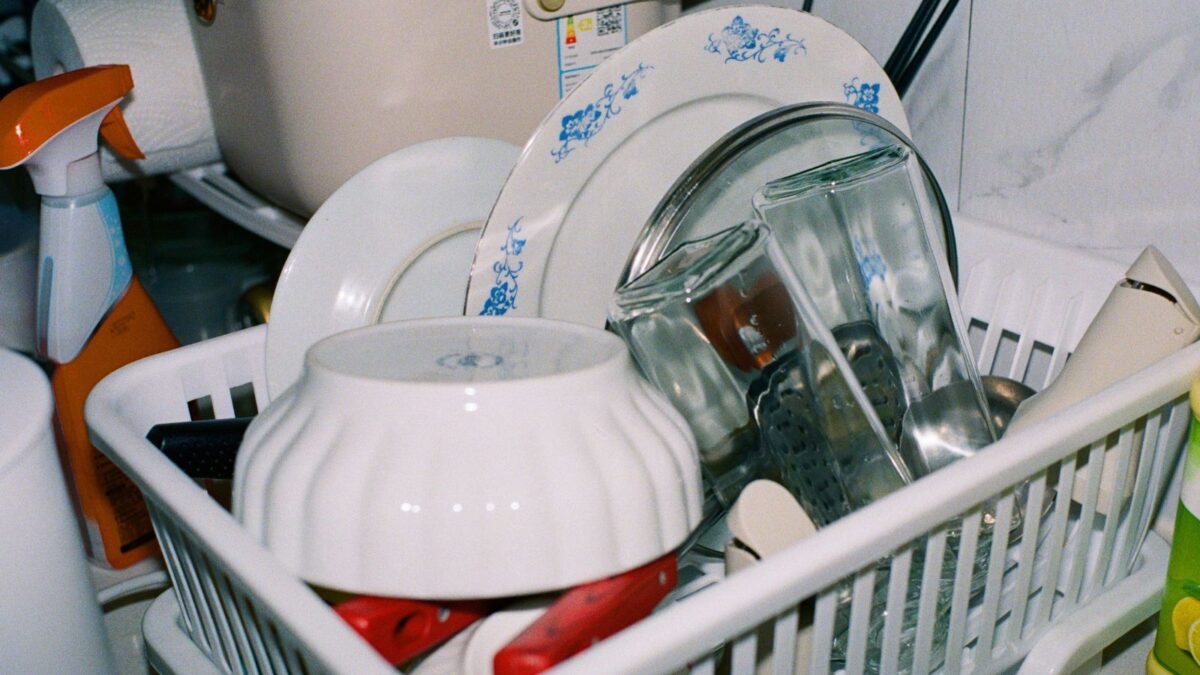
A skillet can look clean and still need attention before you close the cabinet. Lodge identifies air-drying and damp storage as causes of rust on seasoned cast iron. Carefully towel-dry the pan thoroughly, then wipe on a thin layer of oil before putting it away.
Give enameled cookware dry storage as well. Le Creuset’s Official Care Instructions explicitly state to never store your cookware while it is damp and to keep it completely away from steam and moisture. Check the whole pot instead of stopping after a quick wipe across the cooking surface. Finish the job before you move on, and make dry storage the final step of cleanup rather than an afterthought during dinner.