8 Dollar Tree Items You Might Regret Not Buying Before the Next Emergency
Emergencies have a way of turning ordinary household items into things you desperately wish you had purchased. A flashlight suddenly becomes essential when the electricity goes out. A simple can opener matters when the power is off, and dinner is sitting inside a sealed can. Even something as unremarkable as a garbage bag can become surprisingly useful when normal routines are disrupted.
The good news? Preparing for unexpected situations doesn’t necessarily require spending hundreds of dollars on expensive survival equipment.
Dollar Tree carries everyday products that can help households assemble basic emergency supplies without making one enormous purchase. The retailer even has its own emergency supply checklist featuring items such as flashlights, batteries, canned foods, hygiene products, and rain ponchos.
The American Red Cross also encourages families to gradually purchase emergency essentials during regular shopping trips rather than trying to buy everything at once.
Before your next Dollar Tree run, consider these eight inexpensive essentials that could make a difficult situation a little easier to manage.
Flashlights That Keep the Darkness From Taking Over
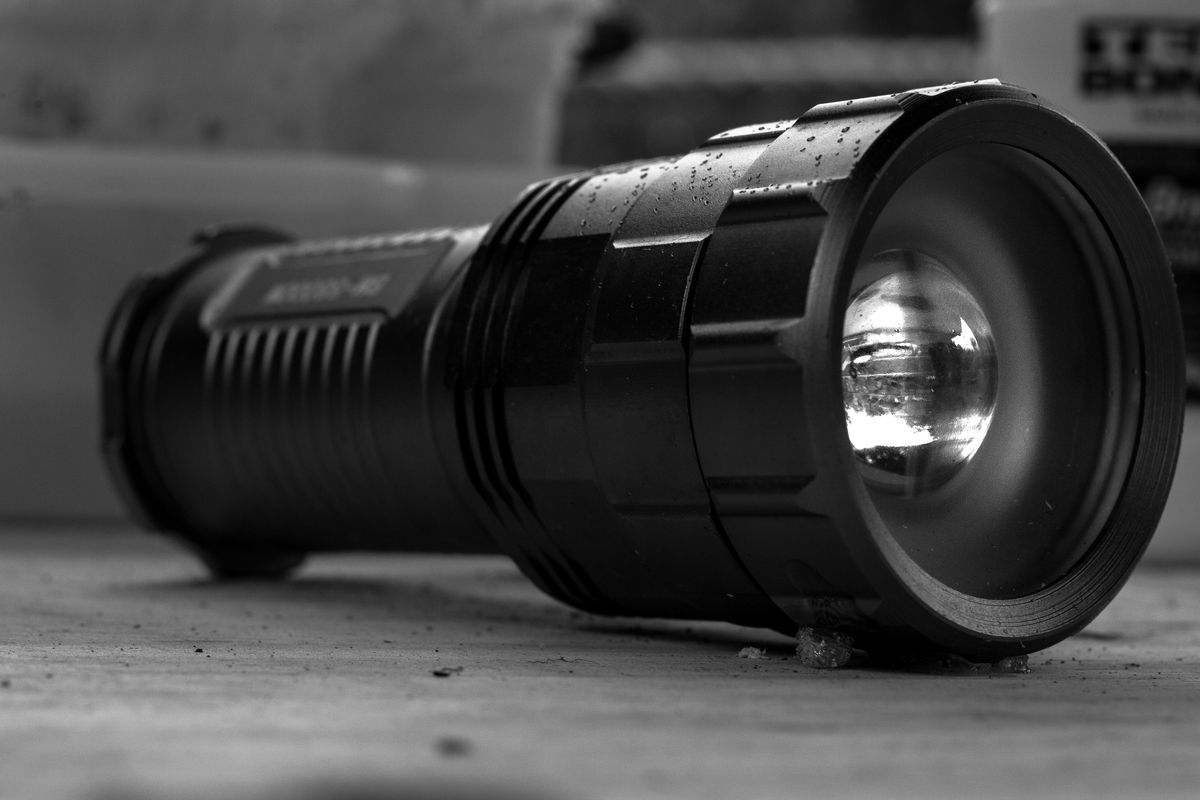
Something is unsettling about reaching for a light switch and realizing nothing will happen. Suddenly, finding your shoes, checking on the kids, or walking down a hallway becomes unexpectedly challenging.
That’s why a basic flashlight deserves a permanent place in your emergency supplies.
Dollar Tree includes flashlights on its emergency preparedness checklist, and the Federal Emergency Management Agency (FEMA) recommends keeping flashlights and extra batteries in emergency kits.
Consider keeping one beside your bed and another in a designated emergency bag.
Before relying on an inexpensive flashlight, test its brightness, battery compartment, and switch. A flashlight that barely works in the store probably isn’t something you want to depend on during a blackout.
Also remember that your phone’s flashlight isn’t always the best backup. If your phone battery is running low, you may need to conserve that power for important calls.
Extra Batteries You’ll Wish You Had Stockpiled
Batteries rarely seem important until the moment you discover you don’t have any.
Maybe your flashlight stops working during a storm. Perhaps your battery-powered radio needs replacements just as weather updates become important.
Either way, discovering an empty battery drawer isn’t particularly reassuring.
Dollar Tree lists batteries among its suggested emergency supplies, making them a practical item to check for during routine shopping trips.
The American Red Cross recommends extra batteries alongside flashlights and battery-powered radios in household preparedness kits.
However, buying batteries simply because they’re inexpensive isn’t always the best strategy.
Check expiration dates, package quantities, and the sizes your devices require. Compare the cost per battery against larger packages from other retailers.
Store spare batteries in their original packaging in a cool, dry location, and inspect them periodically for damage or leakage.
Manual Can Openers That Work Without Electricity
A stocked pantry can provide reassurance during an emergency, but people sometimes overlook one small problem.
How will you open everything?
Electric can openers are convenient until the power disappears. Meanwhile, struggling to open a can with improvised tools is an unnecessary frustration.
A manual can opener is one of those unexciting purchases that suddenly makes perfect sense when something goes wrong.
Dollar Tree includes non-electric can openers on its emergency checklist, while FEMA identifies them as important supplies for households storing canned foods.
Choose one with a comfortable grip and a cutting mechanism that operates smoothly.
Test it at home before placing it inside your emergency kit. An inexpensive model that doesn’t open cans reliably isn’t a bargain.
Consider keeping a second opener in a portable emergency bag, particularly if your family might need to evacuate.
Heavy-Duty Garbage Bags That Do More Than Hold Trash
Garbage bags aren’t exactly exciting shopping finds. They’re usually the kind of product you grab without giving much thought to what could happen if you ran out.
During an emergency, however, they can become surprisingly versatile.
You might need them to collect household waste when regular garbage pickup is interrupted, separate wet belongings from dry ones, or organize supplies during a rushed departure.
FEMA specifically includes garbage bags and plastic ties among recommended emergency sanitation supplies.
Dollar Tree’s emergency checklist also includes garbage bags and plastic storage products.
Pay attention to thickness and durability when shopping. A thin bag that tears under a modest load may create more problems than it solves.
For important emergency supplies, stronger bags are generally a better choice than simply purchasing the largest quantity available.
First Aid Supplies for Unexpected Minor Injuries
A small cut or scrape might not seem like a major concern during an ordinary day.
But when stores are closed, transportation is disrupted, or you’re dealing with a larger emergency, having basic first aid supplies within reach becomes much more important.
Dollar Tree’s preparedness checklist includes adhesive bandages, cleansing products, ointments, and other basic first aid items.
Rather than assuming one inexpensive package contains everything needed, use these products to supplement a properly stocked first aid kit.
The American Red Cross recommends including a first aid kit in emergency supplies, along with medications and any necessary medical items.
Check product seals and expiration dates before purchasing anything intended for wound care.
Remember that basic bandages and cleaning supplies aren’t substitutes for professional medical attention when an injury is serious.
The goal is to avoid being caught without everyday essentials when getting replacements becomes difficult.
Rain Ponchos for When the Weather Turns Against You
Rain never seems to care whether you’re prepared.
A sudden downpour during an evacuation, an unexpected walk to a shelter, or a long wait outdoors can quickly become uncomfortable.
That’s where an emergency rain poncho becomes useful.
Dollar Tree includes rain ponchos on its preparedness checklist, and the American Red Cross recommends considering rain gear when assembling emergency supplies.
Lightweight ponchos are especially convenient because they can fit inside backpacks, glove compartments, or small emergency bags without taking up much room.
Of course, not every inexpensive poncho will withstand heavy rain or strong winds.
Check the material and sizing before you buy. For frequent outdoor use, a sturdier waterproof jacket may be a better investment.
Still, having a spare poncho is much better than discovering you have nothing when the rain starts.
Bottled Water Before Everyone Starts Looking for It
Water is one of the first things people think about when preparing for severe weather, unexpected service interruptions, or evacuation.
And for good reason.
An interruption to a household’s normal water supply can affect drinking, cooking, cleaning, and other daily activities.
The American Red Cross recommends storing at least one gallon of water per person per day, with a three-day supply for evacuation and a two-week supply for staying at home.
Dollar Tree includes bottled water on its emergency checklist, although package sizes, availability, and value can differ.
Before filling your cart, compare the price per gallon with supermarket multipacks.
Smaller bottles may be convenient for portable emergency bags, while larger containers could be more economical for home storage.
Keep commercially bottled water sealed and follow its storage instructions.
Most importantly, remember that purchasing one or two small bottles is only a starting point, not a complete household emergency water supply.
Wet Wipes and Hygiene Supplies When Normal Routines Stop
Some emergency supplies don’t attract much attention until normal household routines suddenly become impossible.
Consider what happens when running water is unavailable, the bathroom cannot be used normally, or your family must leave home with little warning.
Everyday hygiene products become much more valuable.
Dollar Tree’s emergency checklist includes baby wipes, personal hygiene products, toilet paper, and cleaning supplies.
FEMA also recommends moist towelettes and sanitation essentials. At the same time, the American Red Cross encourages families to consider the specific needs of children, older adults, and anyone requiring additional personal care products.
Keep sealed packages of wipes and other basic toiletries in your emergency kit.
Check whether products are appropriate for their intended use, and remember that ordinary wipes don’t necessarily disinfect surfaces or replace proper handwashing.
A few carefully chosen essentials can make an uncomfortable situation more manageable.