Divided Appeals Court Rules Pentagon Policy Illegally Banned Transgender Troops
A divided panel of the U.S. Court of Appeals for the District of Columbia Circuit has ruled that the Pentagon policy banning transgender troops was illegal, marking a major legal setback for the Trump administration.
The majority opinion determined that the policy was intentionally designed to exclude individuals from military service based on their gender identity. While the ban remains temporarily in effect due to ongoing litigation and a Supreme Court stay, the ruling protects current service members included in the lawsuits, though it does not extend to prospective recruits.
This creates a precarious situation where existing transgender troops have legal safeguards, while new applicants could still be barred from enlisting.
The court’s 2-1 decision largely upheld a March 2025 ruling by U.S. District Judge Ana Reyes, who concluded that Trump’s executive order likely violated the constitutional rights of transgender service members.
Following her preliminary injunction, which was requested by attorneys representing both active-duty and prospective transgender troops, the administration appealed. The appeals panel narrowed the injunction to cover only currently serving plaintiffs, leaving new recruits outside its protection. Other lawsuits, including one in Washington state, have similarly ruled in favor of plaintiffs challenging the ban.
In January 2025, the executive order cited gender identity as conflicting with a soldier’s commitment to an honorable and disciplined lifestyle and claimed it threatened military readiness. Defense Secretary Pete Hegseth then implemented a policy that presumptively disqualified individuals with gender dysphoria, a condition associated with distress and mental health challenges, from military service.
Judge Robert Wilkins, writing for the majority, criticized the policy as being motivated by political animus, describing it as targeting transgender individuals simply because they are a politically unpopular group. In contrast, Judge Justin Walker’s dissent emphasized that courts lack the authority to override military decisions, stating that the Constitution delegates this power to Congress and the Commander in Chief.
Judge Judith Rogers joined Wilkins’ majority opinion but also issued a partial dissent, reflecting the panel’s nuanced divide on judicial oversight versus military discretion.
Legal Implications and Future Challenges
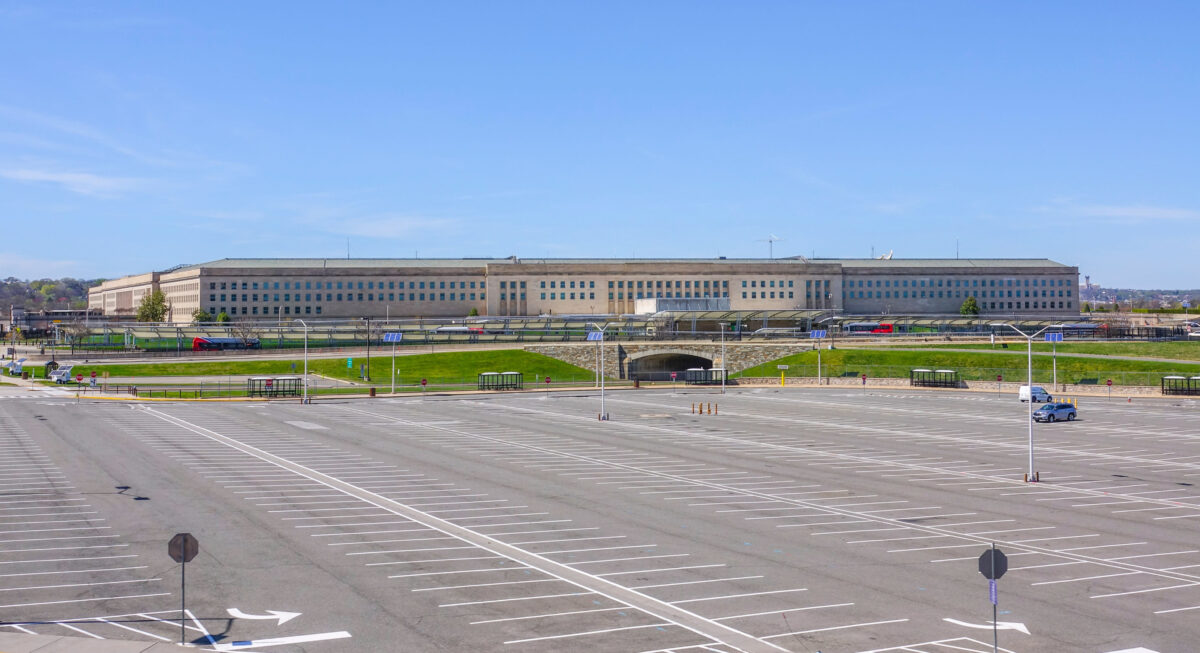
The appeals court ruling leaves the Pentagon policy in a complex legal limbo. While currently serving transgender troops receive protection from removal, prospective recruits remain vulnerable, underscoring a stark division in enforcement.
The decision highlights the courts’ willingness to scrutinize military policies when constitutional rights are at stake, especially when a policy appears to target a specific group rather than being purely based on readiness or medical criteria.
The ruling also sets a significant precedent for evaluating the use of medical justifications, such as gender dysphoria, when applied to policies that disproportionately impact protected groups.
As the case moves through further appeals, including potential review by the Supreme Court, the balance between military deference and constitutional oversight will remain at the forefront of this landmark legal battle.
The outcome will have lasting consequences for transgender service members, future recruits, and the broader interpretation of equal protection within the armed forces.