Kids Who Had to Finish Everything on Their Plate Often Carry These 7 Food Habits Into Adulthood
Remember sitting at the dinner table as a kid, staring at the last few bites of vegetables while everyone else had already left? You weren’t allowed to get up until your plate was empty. It didn’t matter whether you were full, tired, or simply couldn’t stand another forkful of peas. The rule was the rule.
For many American families, finishing your food was about respect, gratitude, and not wasting money. Parents weren’t necessarily trying to create lifelong eating habits. They were teaching lessons they believed mattered.
But some childhood dinner rules have a funny way of following us into adulthood. Research suggests that people who remember being pressured to finish their meals may develop certain eating patterns later in life, although the connection isn’t the same for everyone.
Here are seven food habits that might feel surprisingly familiar if you grew up in the clean-plate club.
Finishing Your Plate Even When You’re Already Full
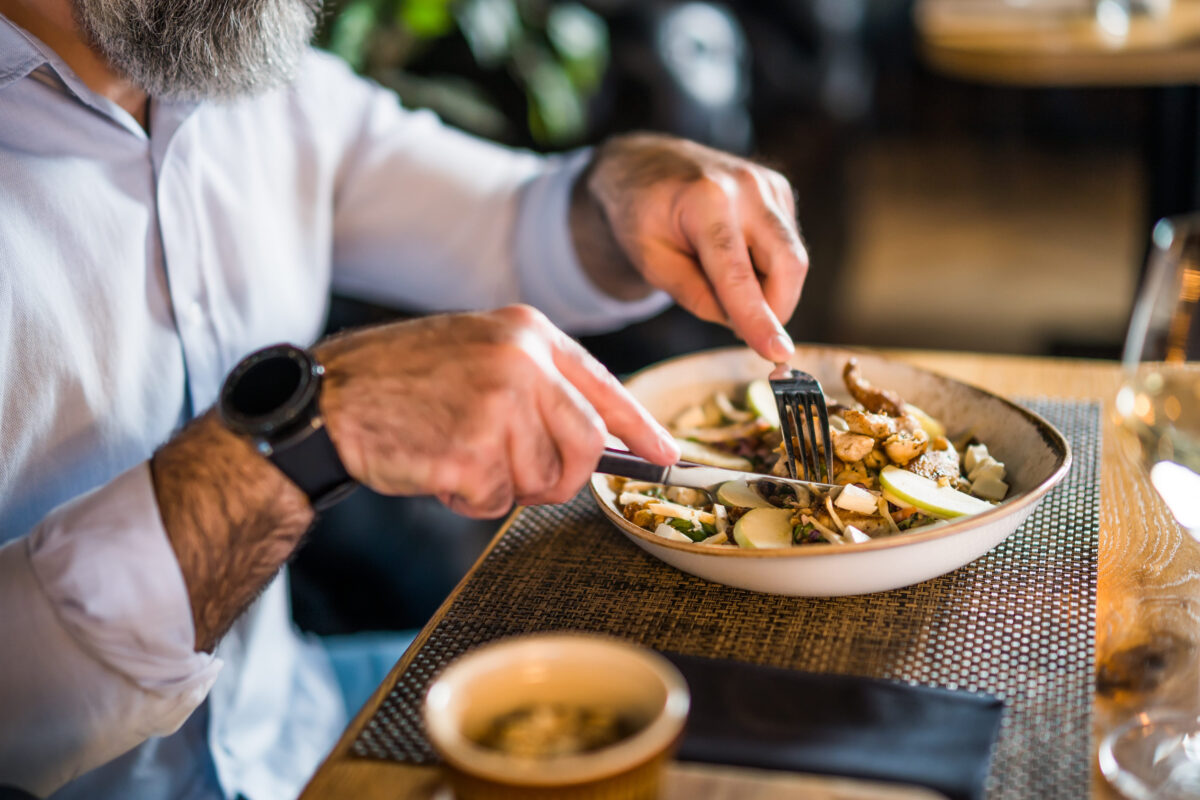
You’re halfway through dinner, completely satisfied, and somehow your fork keeps moving. There are only four bites left, so you might as well finish them, right?
For some adults, an empty plate feels like the official signal that a meal is over. Stopping before then almost feels like leaving a job unfinished.
A study published in the European Journal of Clinical Nutrition surveyed 385 young adults and found that those who remembered being encouraged to clear their plates as children were more likely to report doing so as adults.
The study doesn’t prove that childhood rules caused the behavior, but the connection is interesting.
Here’s a simple experiment: Next time you’re eating, notice whether you’re finishing because you want the remaining food or because it’s sitting there.
Feeling Guilty About Throwing Away Food
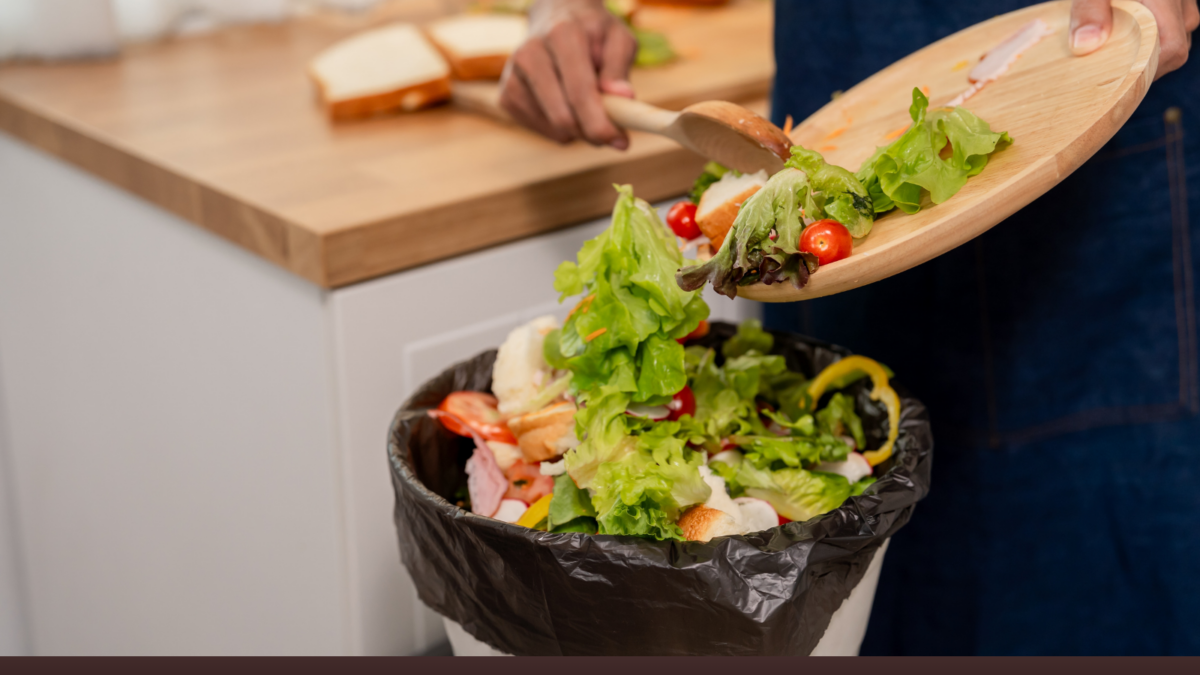
Picture this: You’ve just paid $24 for dinner at a restaurant. You’re full, but there’s still a quarter of your burger sitting on the plate.
Suddenly, leaving it feels like throwing money directly into the trash.
For people raised with strict food rules, waste can feel like a personal failure. Maybe your parents reminded you how expensive groceries were or how fortunate you were to have dinner at all.
Interestingly, that concern isn’t entirely about childhood pressure. The same plate-clearing study found that worries about food waste independently predicted whether adults finished their meals.
There’s nothing wrong with valuing food or respecting the money spent on it. But there’s a practical alternative to eating everything immediately.
Ask for a takeout box. Tomorrow’s lunch is a perfectly respectable ending to tonight’s dinner.
Treating Every Serving Like a Personal Challenge
Have you ever noticed how a giant restaurant plate can make an enormous meal look completely normal?
A server brings out enough pasta to fill a mixing bowl, and suddenly your brain decides that’s what dinner is supposed to look like.
Growing up with the expectation that everything served must be eaten may make this situation feel familiar. However, research on portion sizes shows that the amount served can influence adults generally, regardless of their childhood experiences.
In a Penn State study involving 51 adults, researchers discovered that participants consumed 30% more energy when offered the largest portion of macaroni and cheese compared with the smallest.
The takeaway? The restaurant gets to decide what goes on your plate, but it doesn’t have to decide how much you finish.
Questioning Whether You’re Really Full
Sometimes the hardest part isn’t recognizing that you’re full. It’s believing that being full is a good enough reason to stop.
Maybe you grew up hearing, “You can’t possibly be full already,” or “Three more bites, then you can leave.”
Eventually, you might become accustomed to questioning your own judgment at mealtimes.
A 2016 study published in Appetite examined 170 college students and found an association between remembered childhood pressure to eat and their current eating attitudes, including measures of intuitive eating.
The findings don’t mean childhood pressure permanently changes someone’s ability to recognize fullness. Still, they raise interesting questions about how family expectations shape eating decisions.
One practical change is to give yourself permission to pause during a meal. You can always return to the food if you want more.
Eating the Last Few Bites Because They’re Too Small to Save
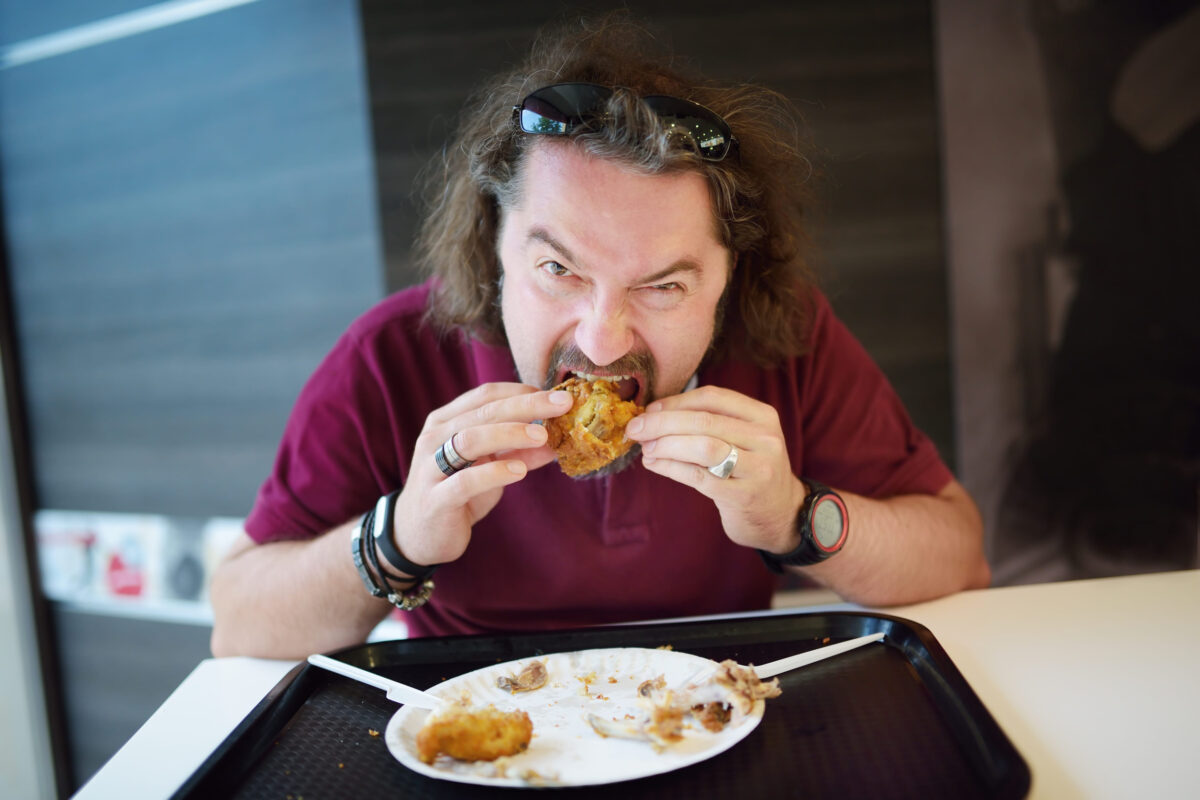
There are two spoonfuls of mashed potatoes left in the serving dish.
Not enough for tomorrow’s lunch. Too much to throw away without feeling guilty.
Naturally, you eat them while cleaning the kitchen.
Sound familiar?
Researchers have actually studied a related behavior called consumption closure. It describes how finishing something can create a satisfying sense of completion.
A study published in Appetite found that small amounts of leftover food could increase people’s desire to keep eating.
The researchers didn’t establish that childhood clean-plate rules caused this tendency. Nevertheless, the connection is easy to imagine for anyone who spent childhood hearing that every last bite mattered.
A small storage container can solve the problem without turning kitchen cleanup into a second dinner.
Still Refusing to Eat Certain Childhood Foods
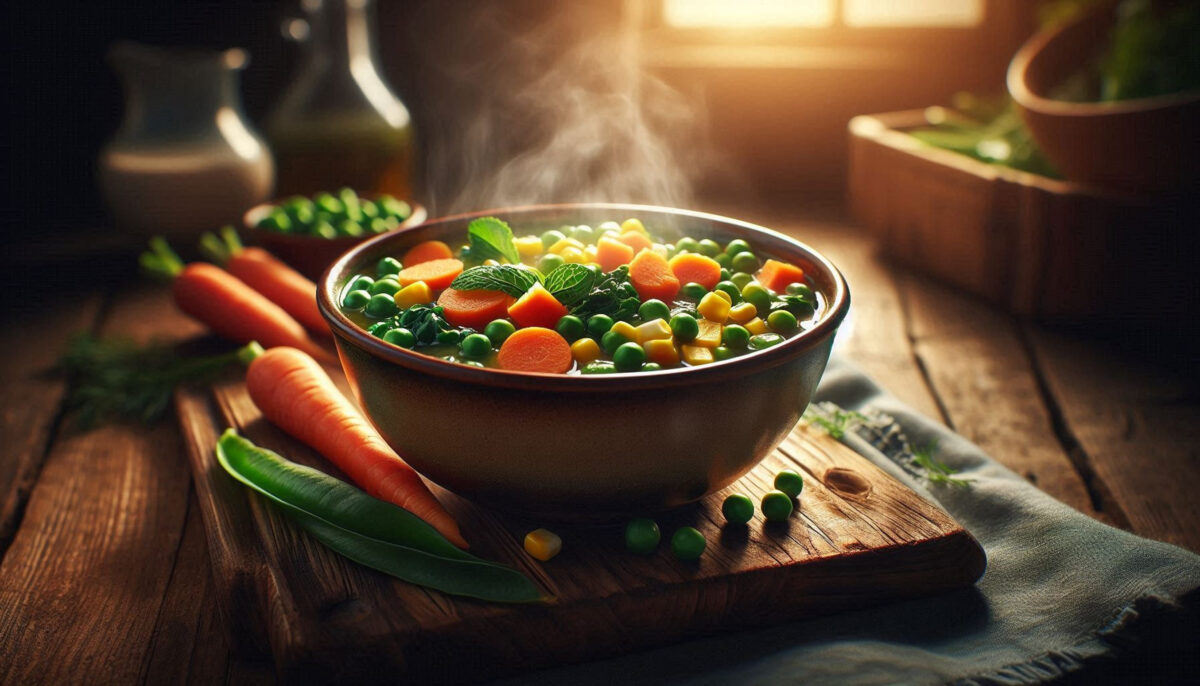
Not every childhood dinner rule leads to finishing more food. Sometimes it produces the opposite reaction.
Maybe you haven’t touched canned peas in 25 years. Maybe cooked carrots still remind you of sitting alone at the dinner table while your siblings watched television.
Those memories can be surprisingly stubborn.
In a 2002 study published in Appetite, researchers surveyed 407 college students and found that more than 69% remembered at least one experience of being forced to consume food or drink.
The research also explored how unpleasant experiences could be associated with lasting food dislikes.
Of course, plenty of people simply dislike certain foods because of their taste or texture.
But when your strongest memory of a vegetable involves an argument, it’s understandable that you might never become its biggest fan.
Catching Yourself Telling Your Own Kids to Finish Everything
Perhaps the most surprising habit happens when you become a parent.
Your child pushes away a half-finished dinner, and before you’ve even thought about it, the words come out.
“Just three more bites.”
Suddenly, you sound exactly like your mother or father.
Family habits can be powerful because they’re familiar. Even rules we disliked as children can become automatic when we’re responsible for feeding someone else.
A 2021 study involving 174 Israeli parents found an association between remembered pressure from their own mothers and the pressure they reported placing on their children.
That doesn’t mean everyone repeats the same rules, or that those rules are impossible to change.
Sometimes simply recognizing the familiar phrase is enough to reconsider whether it’s necessary.
The Dinner Table Rules Don’t Have to Last Forever
Growing up in a clean-plate household wasn’t necessarily a terrible experience. Many parents were doing their best to teach gratitude, discipline, and respect for food, often using lessons they had learned themselves.
And research doesn’t suggest that everyone raised with strict dinner rules develops the same habits.
Still, it’s fascinating how ordinary childhood expectations can influence decisions we barely think about decades later.
The next time you find yourself determined to finish the last three bites of dinner, ask yourself one simple question: Do I actually want this, or am I still following a rule from childhood?
Sometimes the most freeing thing you can do at the dinner table is realize you’re allowed to make your own rules.