12 Thanksgiving Traditions Boomers Remember From the 1970s That Younger Generations Rarely Experience
For many Baby Boomers, Thanksgiving in the 1970s was about more than putting a turkey in the oven and gathering around the dinner table. It was a full-day family occasion filled with familiar routines, special decorations, homemade dishes, and television programs that everyone seemed to know.
The holiday often began early in the morning, with the smell of food coming from the kitchen and the television playing in the background. Relatives arrived carrying covered dishes, children found ways to entertain themselves, and someone always seemed to be asking when dinner would finally be ready.
Not every American family celebrated in exactly the same way, but certain traditions became memorable features of the decade. Here are 12 things Boomers may remember about Thanksgiving in the 1970s.
The Macy’s Thanksgiving Day Parade Was Part of the Morning
For many families, Thanksgiving morning was incomplete without watching the Macy’s Thanksgiving Day Parade. Children gathered around the television to see enormous character balloons, marching bands, performers, and colorful floats moving through New York City.
Parents often watched while preparing food, making the parade part of the background atmosphere in the house. Children, however, were usually much more interested in the balloons and familiar characters.
The tradition was already well established by the 1970s. In 1976, the parade celebrated its 50th anniversary, making it an especially memorable part of America’s Bicentennial year.
Related: 8 ways ’80s kids enjoyed freedom that are simply unthinkable now
Grandma’s Kitchen Became the Center of Everything
Thanksgiving cooking could take over the entire kitchen. Mothers, grandmothers, aunts, and other relatives often worked together to prepare dishes that required hours of attention.
Someone peeled potatoes, another prepared stuffing, and someone else kept checking whether the turkey was ready. Recipe cards and handwritten instructions were frequently brought out for dishes that appeared only during special occasions.
Children sometimes watched from the kitchen doorway, hoping to sneak a taste before dinner. The kitchen could become crowded, noisy, and warm, but it was also where much of the holiday activity happened.
Related: Kitchen Turnoffs That Make Buyers Walk Away, According to Real Estate Experts
The Kids Were Sent to Their Own Thanksgiving Table
As a child at Thanksgiving, you sometimes ate separately from the adults.
In some households, children were assigned a smaller table in the kitchen, dining-room corner, or another available space. It might have been a folding table with mismatched chairs and simpler place settings.
For cousins who rarely saw one another, the arrangement could actually be exciting. They had room to talk, laugh, and occasionally misbehave without worrying too much about the adults’ conversations.
Growing old enough to join the main dining table could feel like a major achievement.
Jell-O Molds Were Treated Like Special Holiday Dishes
A colorful gelatin creation could be one of the most memorable sights on a 1970s Thanksgiving table.
Some families prepared cranberry gelatin with fruit, while others experimented with pineapple, nuts, vegetables, or other combinations. Some families shaped these dishes in decorative molds and carefully turned them out onto serving plates.
Not everyone enjoyed them, but they often attracted attention because of their appearance. For some households, a Thanksgiving meal didn’t feel complete without one.
Today, these elaborate gelatin dishes are often remembered as a distinctive feature of mid-century and 1970s entertaining.
The Turkey Was Carved in Front of Everyone
In many households, bringing the turkey to the dining table was a moment worth waiting for.
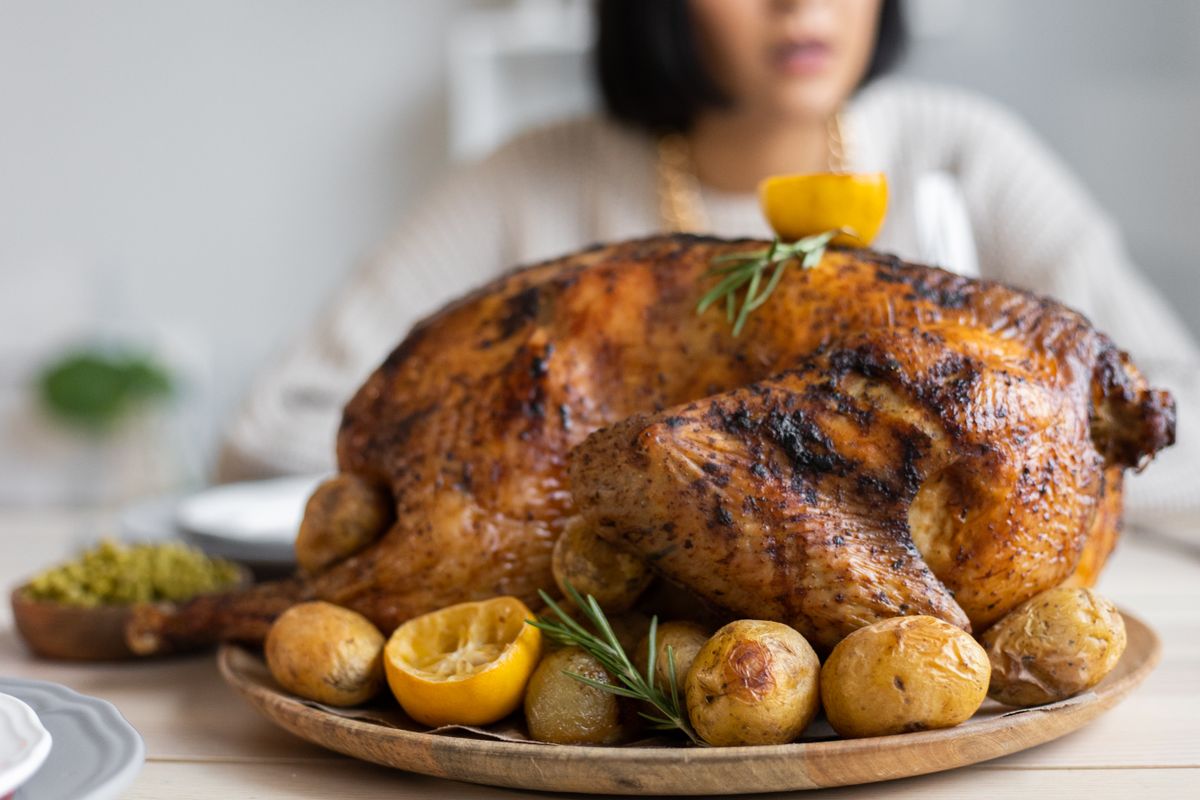
The bird was placed on a large serving platter, and someone, often the father or grandfather, took responsibility for carving it. Family members waited for their preferred portions, with some hoping for a drumstick and others requesting slices of breast meat.
There was usually a certain amount of ceremony involved. The carving knife and fork came out, plates were passed around, and everyone watched as the first slices were served.
For children, getting their favorite piece of turkey could be a highlight of the meal.
Everyone Had to Dress Properly for Thanksgiving Dinner
Although comfortable holiday clothing is common today, some families in the 1970s treated Thanksgiving as a formal occasion.
Children might be expected to wear pressed trousers, dresses, polished shoes, or their Sunday-best outfits. Adults sometimes dressed up before visiting relatives or sitting down for dinner.
The dining table could also receive special treatment. Good tablecloths, decorative napkins, serving dishes, and carefully arranged place settings were brought out for the occasion.
Of course, the formal appearance didn’t always last the entire afternoon. Once dinner was finished, many people changed into something more comfortable.
Football Was Almost as Important as the Turkey
For football-loving families, Thanksgiving meant having an NFL game playing somewhere in the house.
The Detroit Lions and Dallas Cowboys were familiar parts of the holiday football schedule. Relatives gathered around the television, discussed the teams, and sometimes argued over officials’ decisions.
The games could influence the entire afternoon. Some family members preferred eating before kickoff, while others wanted dinner scheduled around the action.
Even people not interested in football often knew when an important play happened because of the noise coming from the living room.
Canned Cranberry Sauce Had a Permanent Place on the Table
Few Thanksgiving foods were as recognizable as canned jellied cranberry sauce.
People often removed it from the can and placed it on a serving plate, sometimes keeping its distinctive cylindrical shape and ridges. Someone would then slice it into rounds for everyone to take.
Some families preferred homemade cranberry relish, but others considered the canned version essential.
It was not necessarily the most elaborate dish on the table, yet its familiar appearance made it part of the holiday for many households.
The Wishbone Was Saved for a Little Competition
After the turkey had been carved, the wishbone sometimes became the center of attention.
Two people, often children, would take hold of opposite ends of the dried bone and pull until it broke. The person left holding the larger piece was traditionally said to have their wish granted.
It was a simple activity, but it could create plenty of excitement around the table.
Some families saved the wishbone after dinner and allowed it to dry before the competition. Others preferred to break it immediately. Either way, it was a small tradition that gave children something extra to look forward to.
Backyard Football Was a Family Activity
Watching professional football was not the only way families enjoyed the sport.
In some neighborhoods, children and adults headed outside for an informal game before or after dinner. A backyard, driveway, or nearby open space was enough to get started.
The teams were often chosen quickly, and the rules depended on who was playing. Arguments might break out over touchdowns, questionable passes, and whether someone stepped out of bounds.
Eventually, someone would call everyone inside because dinner was ready or the weather had become too cold.
For many families, those informal games became just as memorable as the meal itself.
Related: 6 Family Reunion Games Everyone Will Want to Play
Thanksgiving Television Was Something You Had to Watch at the Right Time
The 1970s did not offer the convenience of streaming platforms or on-demand television. If you wanted to watch a particular holiday program, you generally had to be available when it was broadcast.
One memorable example was A Charlie Brown Thanksgiving, which first aired in 1973. The animated special became a familiar part of Thanksgiving viewing for many American households.
Families also watched parades, football, and holiday programming throughout the day. Children often planned their television time around the programs they did not want to miss.
Missing a broadcast could mean waiting until another opportunity to see it.
Leftover Turkey Became the Next Few Days’ Meal Plan
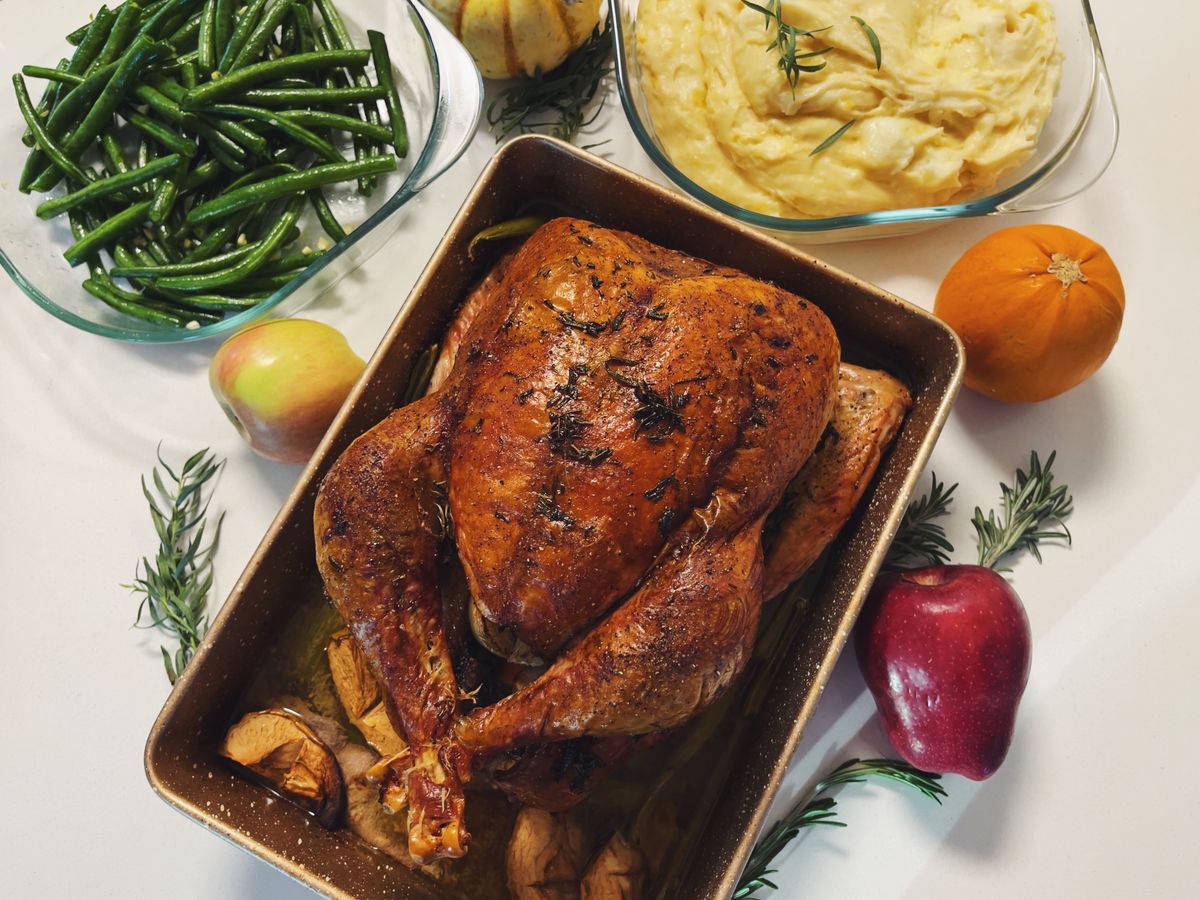
Thanksgiving did not necessarily end when everyone left the dining table.
A large turkey could leave families with plenty of leftovers, and finding ways to use them became part of the holiday routine.
Turkey sandwiches were a familiar choice, often made with white bread and mayonnaise. Some people added cranberry sauce or leftover stuffing, while others preferred simple sandwiches with nothing more than turkey slices.
Leftover meat could also show up in soups, casseroles, and other meals in the days that followed.
For children, the excitement of Thanksgiving sometimes lasted well into the weekend because there was still plenty of food to enjoy.
Related: 10 foods that saw a significant price increase this year
Why Thanksgiving in the 1970s Still Holds a Special Place in People’s Memories
Looking back, Thanksgiving in the 1970s was not necessarily about having the biggest turkey or the most expensive decorations. Much of its appeal came from familiar family routines.
It was the parade playing on the television, relatives filling the kitchen, children sitting at their own table, and the same favorite dishes appearing every November. Even the arguments over football and the wishbone competition became part of the experience.
Not every family followed these traditions, and Thanksgiving celebrations have always differed from one household to another. Nevertheless, for many Boomers, these small details help bring the decade back to life.
The food, the television programs, and the family gatherings may have changed over the years, but the desire to spend Thanksgiving with loved ones remains at the heart of the holiday.