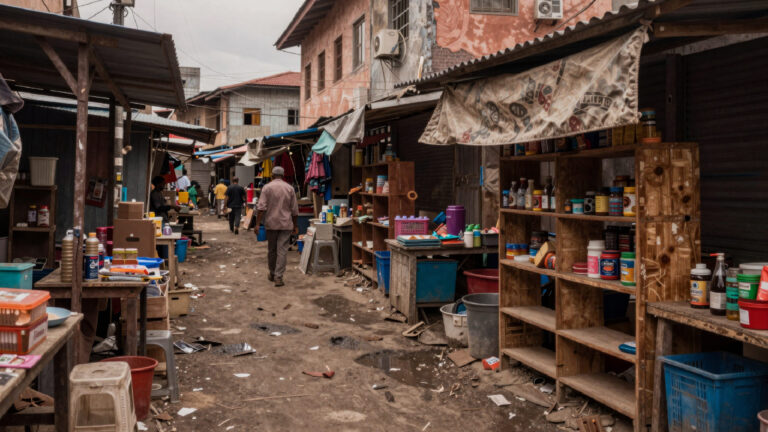
8 Food Mistakes Travelers Make That Can Turn an Affordable Vacation Into an Expensive One
Traveling offers an opportunity to experience different cultures, and food is often one of the most enjoyable parts of a trip. But restaurant bills, convenience purchases, and unfamiliar pricing can make vacation spending increase faster than expected.
Some travelers discover that they’ve spent more on food than on certain attractions. Others miss worthwhile local meals because they rely entirely on familiar restaurant chains. These eight mistakes are worth avoiding when you want to enjoy local food without losing control of your travel budget.

1. Eating Every Meal Near Major Attractions
Restaurants located beside popular tourist attractions often benefit from high foot traffic. Some charge premium prices because travelers prioritize convenience.
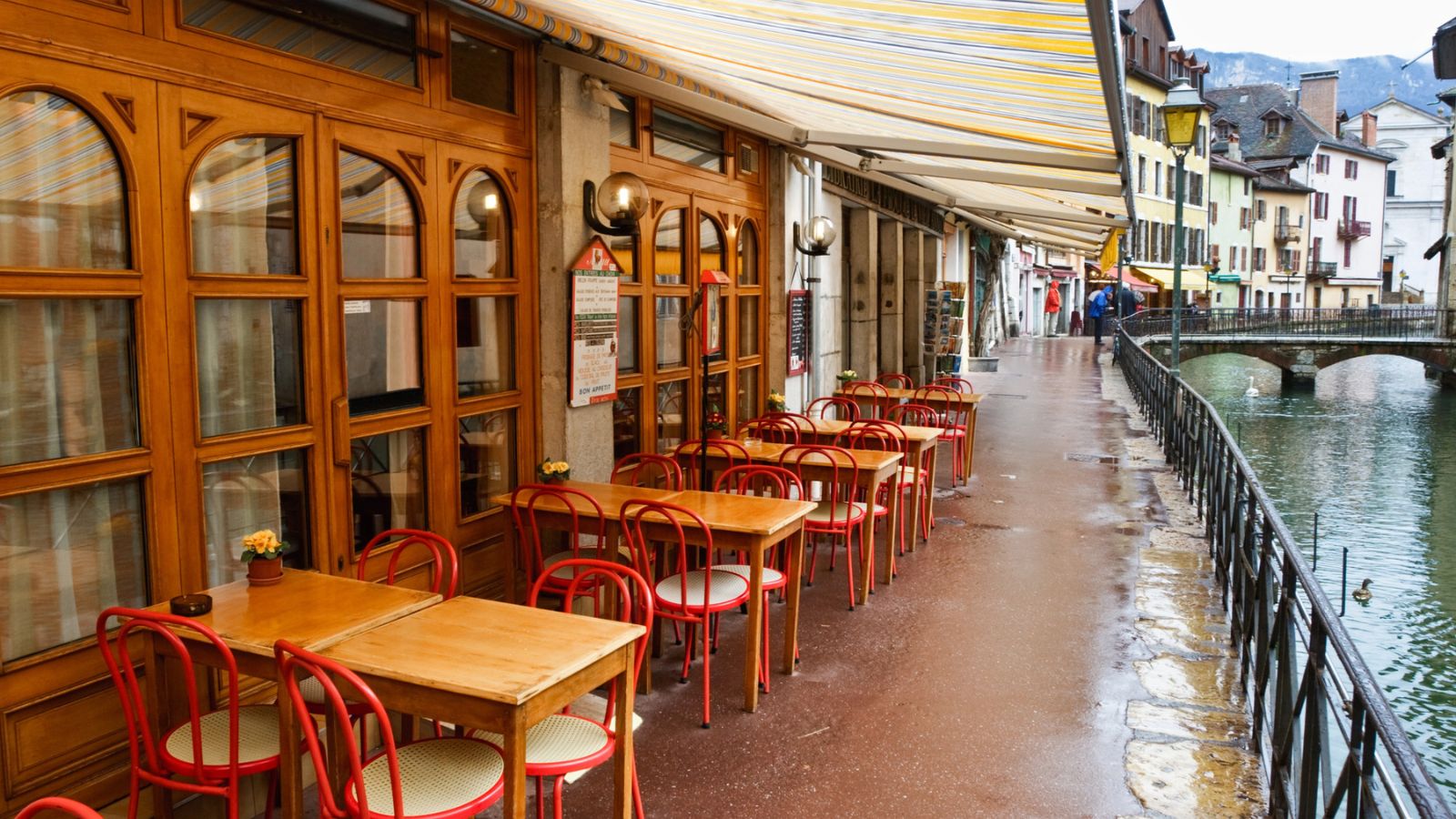
That doesn’t mean every restaurant in a tourist area is overpriced. But comparing menus a few streets away may reveal more affordable choices.
Local neighborhoods sometimes offer smaller restaurants serving familiar regional dishes. Reading recent reviews and checking menus can help identify suitable options.
The goal isn’t to avoid every restaurant near an attraction. It is to recognize that location can affect price.
2. Ignoring Breakfast Options
Breakfast spending can accumulate when travelers purchase expensive meals every morning. Hotels may offer breakfast, but the cost and quality vary.
A grocery store can provide simple options such as fruit, yogurt, bread, or other suitable foods. Travelers staying in accommodations with kitchen facilities may have additional choices.
The best arrangement depends on the destination and schedule. Some days, a restaurant breakfast may be part of the experience. Planning ahead helps travelers decide where breakfast deserves a larger share of the budget.
3. Ordering Without Checking Prices
Menus don’t always display prices in a familiar format, particularly when traveling internationally. Taxes, service charges, and currency conversion can create additional confusion.
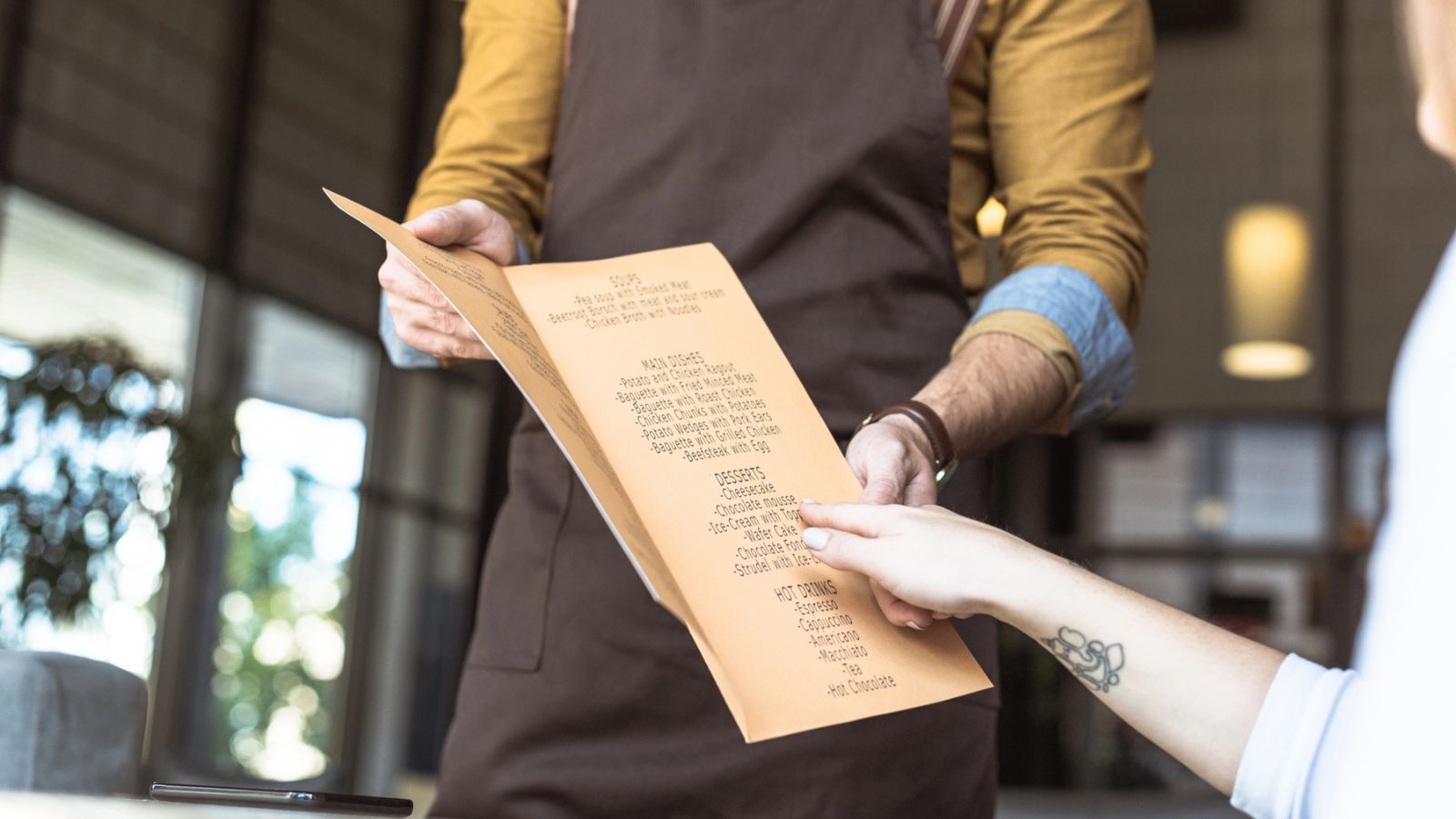
Checking the final cost before ordering helps prevent surprises. Some restaurants use market pricing for seafood or other ingredients, making clarification especially useful.
Travelers should also understand local tipping practices. Customs differ between countries, and assumptions based on home-country habits may not apply. A quick review of the menu and payment conditions can prevent an unexpectedly expensive meal.
4. Buying Every Drink From Restaurants
Beverages can add considerably to the cost of eating out. Soft drinks, bottled water, specialty coffees, and other drinks may cost more in restaurants than in grocery stores.
Travelers can sometimes save money by purchasing appropriate beverages separately. Safe drinking-water availability should guide decisions, particularly in unfamiliar destinations.
Refillable bottles are useful where tap water is safe to drink. In other locations, bottled or properly treated water may be necessary. The objective is to reduce unnecessary spending without compromising safety.
5. Avoiding Local Food Entirely
Some travelers choose familiar international restaurant chains because they know what to expect. This can be convenient, particularly when language barriers or dietary restrictions are involved.
But relying exclusively on familiar chains may mean missing affordable local dishes. Regional restaurants can provide opportunities to experience foods closely connected to the destination.
Researching a few traditional meals before arriving can help. It also makes menus easier to understand. A guide to affordable food while traveling explores practical ways to enjoy new dishes without unnecessary expense.
6. Ordering Too Much Food
Portion sizes differ considerably between restaurants and countries. A dish intended for sharing may be much larger than an individual traveler expects.
Ordering several courses immediately can lead to wasted food and higher bills. Starting with a manageable amount may be more sensible.
Travelers can ask staff about portion sizes when descriptions are unclear. Sharing dishes may also work when everyone has compatible preferences and dietary needs. The goal is to enjoy the meal rather than purchase more than anyone can finish.
7. Ignoring Food Safety
Trying local food can be one of the highlights of travel, but food safety deserves attention. Poor storage, inadequate cooking, and unsafe water can contribute to illness. The CDC’s travelers’ health guidance provides recommendations about food and water safety during international travel.
Travelers should consider whether food is thoroughly cooked and served at suitable temperatures. Raw or undercooked products may require particular caution in some destinations.
Food safety concerns vary by location and individual health circumstances. Researching destination-specific guidance helps travelers make informed choices.
8. Never Planning Food Spending
A travel budget often includes transport, accommodation, and attractions, but food may receive less attention. Daily restaurant purchases can become a substantial expense.
Setting a flexible daily food allowance helps travelers prioritize. Some days may include an expensive special meal, while others rely on simpler options.
Planning doesn’t mean eliminating spontaneity. It simply provides a reference point for decisions. Tracking spending during the trip can also reveal whether the budget needs adjustment.
How to Enjoy Food Without Overspending
Food should be part of the travel experience rather than a source of constant anxiety. The most useful approach is to combine planning with flexibility.
Travelers can save money on routine meals while reserving funds for memorable local dishes. A simple breakfast might leave room for a restaurant dinner worth experiencing.
The best choices depend on the destination, available facilities, dietary needs, and personal priorities. No single food budget works for every trip.
Researching local restaurants and common dishes before traveling can reduce uncertainty. It also makes it easier to recognize overpriced options.
A good vacation meal doesn’t need to be expensive. Sometimes, an affordable dish prepared well tells you more about a destination than a costly restaurant designed primarily for tourists.