9 Food Preparation Habits That Can Help You Waste Less in the Kitchen
Food waste can begin long before ingredients reach the refrigerator. Buying the wrong quantities, preparing too much, and discarding usable portions all contribute to unnecessary spending.
Some traditional cooking habits were developed because households needed to make ingredients last. Modern storage and food safety knowledge provide additional ways to reduce waste. These nine approaches can help you use food more efficiently without keeping ingredients beyond safe limits.

1. Plan Meals Around What You Already Have
Checking the refrigerator and pantry before shopping can reveal ingredients that need to be used. A few vegetables or leftover portions may provide the foundation for another meal.
Planning around available food reduces duplication. It also makes shopping lists more focused.
The method works particularly well for soups, casseroles, and rice dishes. These meals can accommodate several compatible ingredients. A flexible plan often prevents more waste than a rigid weekly menu.
2. Buy Realistic Quantities
A large package may offer a lower price per ounce, but that doesn’t guarantee savings. Fresh food can spoil when households purchase more than they need.
Estimating normal consumption helps. Smaller households may benefit from buying produce more frequently in modest quantities.
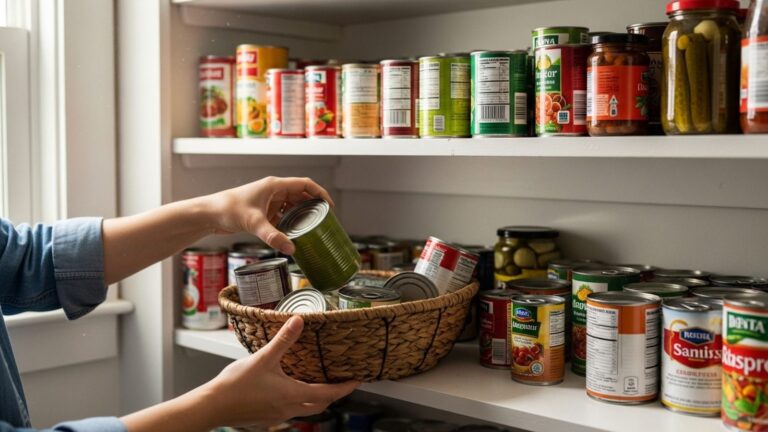
Frozen and canned alternatives can also provide flexibility. Their storage advantages may justify choosing them over fresh products for certain recipes. The best purchase is the amount that will actually be eaten.
3. Prepare Vegetables for Several Meals
Washing and chopping suitable vegetables in advance can make cooking easier during busy days. The same ingredients may appear in multiple recipes.

For example, chopped peppers can be used in omelets, stir-fries, and soups. Carrots may work in salads, stews, and roasted vegetable dishes.
Prepared vegetables require appropriate storage and have limited refrigerated life. Some are better left whole until needed. The goal is to reduce preparation work without shortening ingredient quality unnecessarily.
4. Save Suitable Vegetable Trimmings
Clean onion ends, celery leaves, and carrot trimmings can contribute flavor to homemade stock. The approach makes use of parts that might otherwise be discarded.
Not every vegetable scrap is appropriate. Spoiled ingredients and unsuitable plant parts should never be included.
Trimmings should be washed and stored safely. Some cooks freeze suitable scraps until enough have accumulated for stock. A small amount of planning can turn ordinary preparation waste into a useful cooking ingredient.
5. Use Leftover Bread
Bread that has become stale but remains safe to eat can be used in several recipes. Breadcrumbs, croutons, bread pudding, and certain breakfast dishes are familiar examples.
The appropriate preparation depends on the bread’s condition. Moldy bread should be discarded rather than trimmed.
Freezing extra bread before it becomes stale can also reduce waste. Sliced loaves are convenient because portions can be removed as needed.
Many traditional family recipes relied on using familiar ingredients in more than one way. That flexibility remains useful.
6. Freeze Meals in Useful Portions
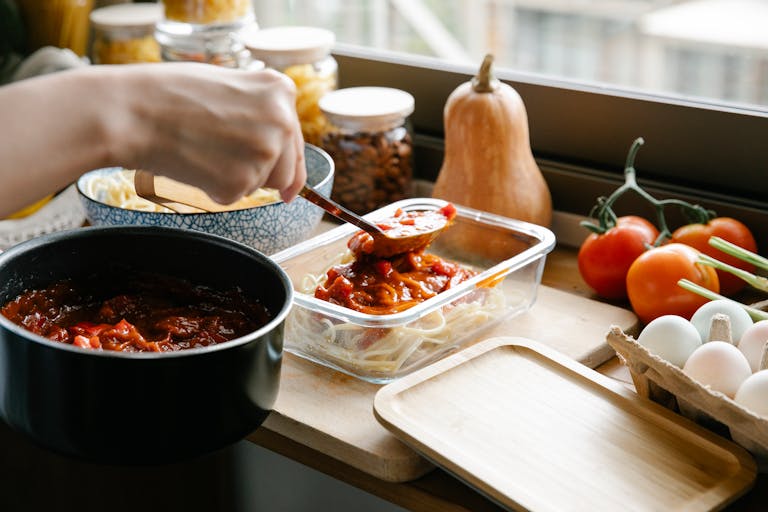
Large quantities of soup, stew, or cooked beans can be divided into smaller portions before freezing. This makes later meals easier to prepare.
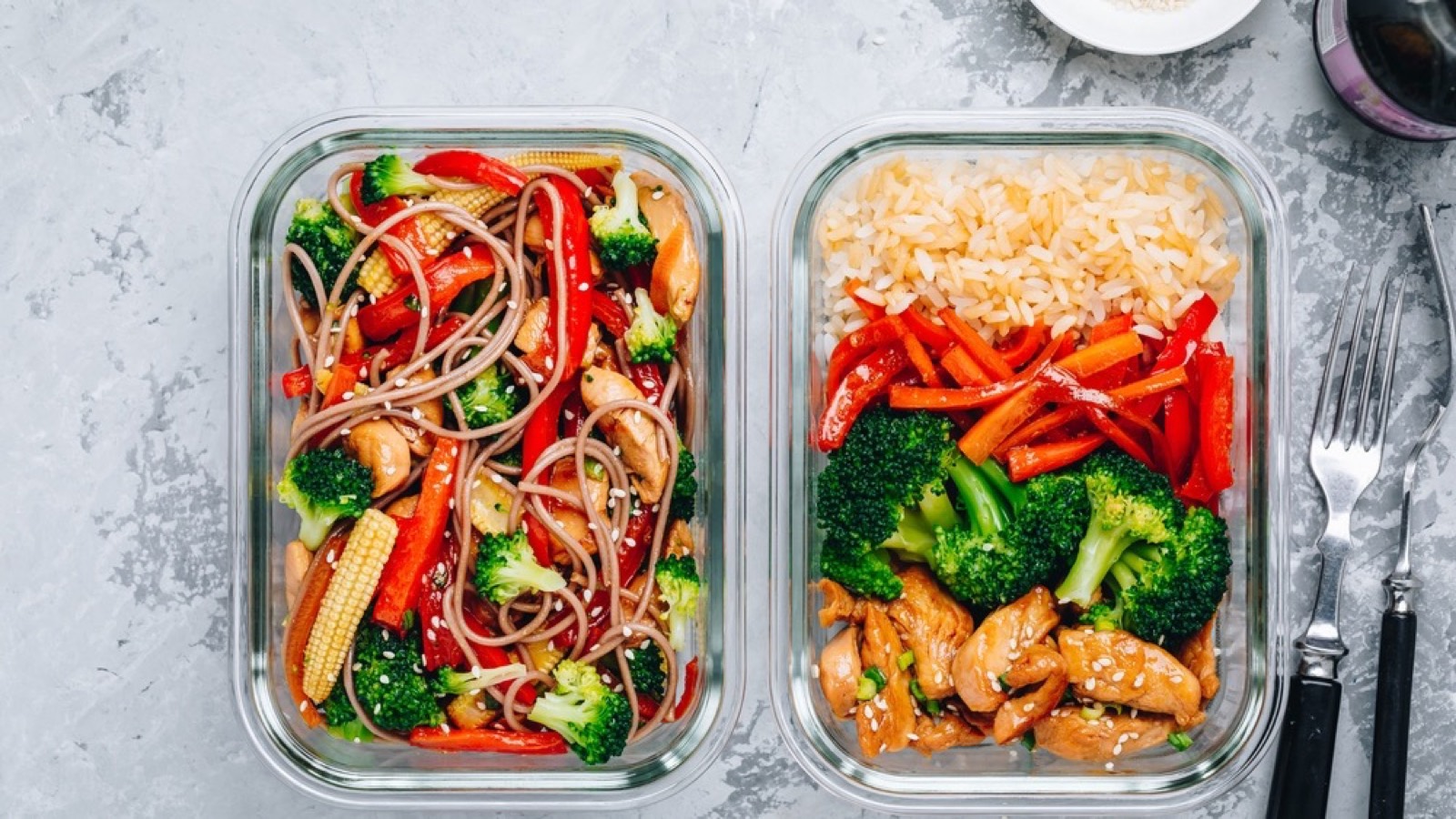
Freezing an entire pot in one container may create inconvenience when only one serving is needed. Portioning avoids unnecessary thawing.
Labeling containers also helps identify what is available. Dates provide guidance for managing quality over time. The USDA’s cold storage recommendations provide useful information about storing different foods.
7. Turn Leftovers Into Different Meals
Eating the same leftovers repeatedly can become unappealing. Transforming them into another dish may make them more useful.

Roast chicken can become soup, sandwiches, or a casserole. Cooked vegetables can be added to rice or eggs.
The approach works best when the original meal is planned with future uses in mind. That helps prevent leftovers from remaining forgotten.
Food should be stored promptly and used within safe periods. Creative cooking doesn’t make spoiled food safe.
8. Keep an Ingredient Inventory
An ingredient inventory can be as simple as a list on the refrigerator. Recording frequently used pantry and freezer foods helps prevent duplicate purchases.
The system should be easy enough to maintain. A complicated spreadsheet isn’t necessary for every household.
Checking the list before shopping reveals which ingredients need replenishment. It can also identify products that should be used soon.
The greatest benefit is visibility. Food is less likely to be wasted when someone remembers it exists.
9. Learn a Few Flexible Recipes
Some recipes require specific ingredients, while others allow substitutions. Flexible dishes can help use vegetables, proteins, and grains already available.
Soups, omelets, stir-fries, and casseroles are useful examples. They can accommodate different ingredients without requiring entirely new shopping lists.
Understanding basic cooking techniques makes substitutions easier. It also helps prevent disappointing results. A small collection of adaptable recipes can reduce the need to purchase specialty ingredients for every meal.
How to Reduce Waste Safely
Food waste reduction should never involve ignoring spoilage or food safety guidance. Some harmful bacteria can grow without creating obvious changes in appearance or smell. The FDA’s safe food handling guidance explains why appropriate storage and preparation are essential.
The most effective habits begin before food spoils. Planning realistic portions, storing ingredients properly, and using leftovers promptly can prevent waste.
A practical kitchen doesn’t require expensive systems. It requires understanding what is available and making thoughtful decisions.
The goal is to enjoy more of the food you’ve already purchased. That can help reduce grocery spending without requiring complicated changes to everyday cooking.