Trump Team Warns States: Follow Election Security Demands or Risk Federal Scrutiny
The battle over who controls America’s elections is becoming a direct federal-state showdown. Homeland Security Secretary Markwayne Mullin warned Friday that state officials could lose funding, face investigations, or encounter legal consequences if they reject the Trump administration’s election security demands.
His message came less than four months before the November midterms and one day after President Donald Trump delivered a televised address calling for tighter voting rules and greater scrutiny of voter rolls. The administration says the effort will restore public confidence. Several state officials and election experts say it relies on claims that have not been publicly proven.
Mullin Puts Federal Pressure Behind Trump’s Demands

Speaking from the White House complex on July 17, Mullin said states should strengthen voting-machine security and review voter registration lists for people who may not be United States citizens. He also urged officials to use the Department of Homeland Security’s expanded Systematic Alien Verification for Entitlements program, commonly known as SAVE.
“We absolutely can build confidence in the American people, but the states have to do their part,” Mullin said.
Mullin’s warning went beyond political criticism. He said election officials who receive federal information and refuse to act could face fines, penalties, investigations, and possibly prison time. However, the administration has not publicly explained the exact legal pathway it would use to prosecute state officials or which federal grants it could withhold.
The pressure campaign initially targets California, Nevada, New Jersey, and Pennsylvania. DHS claims it identified more than 250,000 potential noncitizens on voter rolls across those states and asked their election chiefs to respond within two weeks.
Yet the department did not publicly provide evidence supporting its total or fully explain the matching method used to reach it. Election specialists warn that public voter data can contain old addresses, duplicate names, incomplete identification numbers, or outdated citizenship information. Those problems can cause eligible voters to be mistakenly flagged.
States Push Back on the Numbers
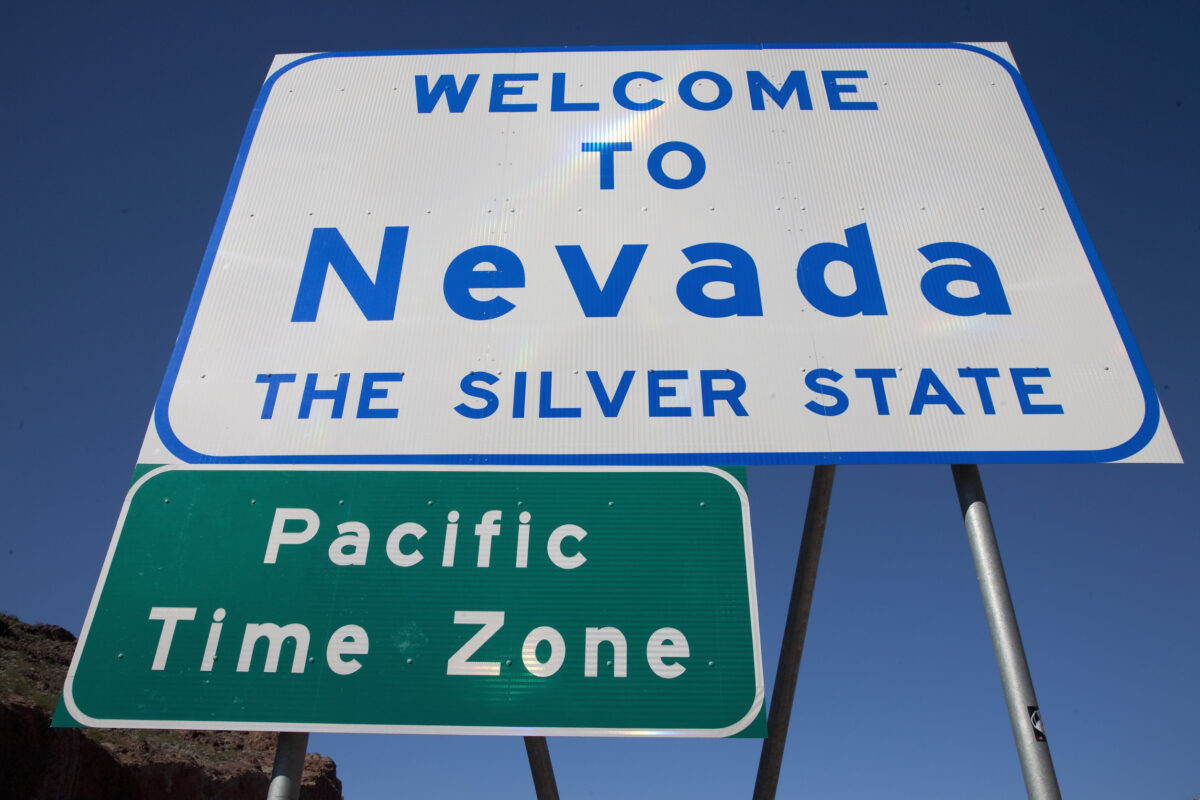
Nevada Secretary of State Francisco Aguilar rejected the federal figures as unsupported. He said his office had repeatedly described its voter roll safeguards to DHS and worked to keep registration records accurate.
Pennsylvania Secretary of State Al Schmidt said his state would review the information but would not provide citizens’ private data. Schmidt added that available evidence shows noncitizen voting is extremely rare in Pennsylvania and across the country.
California officials said they would examine the federal material, while Gov. Gavin Newsom offered a sharper response. He said California would defend what he described as free, fair, and secure elections, ending with the challenge, “Try us.”
New Jersey referred reporters to a statement from Democratic governors accusing Trump of using unsupported election claims to intimidate voters and state administrators.
The central dispute is not whether noncitizen voting is legal. Federal law bars noncitizens from voting in federal elections, and credible violations can be investigated and prosecuted.
The argument is whether DHS has reliable evidence of a widespread problem and whether the executive branch can force states to provide sensitive voter information or adopt a federal verification system.
That legal question could become the administration’s largest obstacle. The Constitution gives state legislatures primary authority over the times, places, and manner of congressional elections, while Congress may change those rules through legislation.
That framework does not automatically give the president unlimited authority to rewrite election procedures through agency directives. Courts have already blocked administration attempts to obtain the complete state voter files. A federal judge also recently restricted the expanded SAVE program due to privacy concerns and the risk of eligible voters being wrongly identified.
A Cybersecurity Fight With Political Consequences
Mullin also raised concerns about foreign access to voting technology. He said the Cybersecurity and Infrastructure Security Agency would release an updated election infrastructure plan within 30 days.
Election systems face genuine cyber risks. Officials typically counter them through equipment testing, physical controls, voter-verified paper records, ballot reconciliation, and post-election audits. These safeguards are designed to detect errors, hacking attempts, and unexplained differences in vote totals.
The administration’s approach would connect federal cybersecurity assistance more closely to state participation in SAVE. That creates a difficult choice for election administrators.
Federal grants can help states replace outdated equipment, strengthen computer networks, introduce paper records, and improve auditing systems. Withholding those resources could weaken security even as the government argues that threats are increasing.
Trump has also pressed Congress to approve legislation requiring documentary proof of citizenship for voter registration. The proposal remains stalled in the Senate, where Republicans lack enough votes to overcome procedural hurdles without Democratic support.
That deadlock helps explain the administration’s reliance on agency action, public warnings, investigations, and funding conditions.
The coming confrontation will test the line between federal assistance and political pressure. States must maintain accurate voter rolls, investigate credible violations, and protect election equipment. Washington also has an important role in sharing intelligence and providing cybersecurity resources.
But allegations involving hundreds of thousands of voters require clear, verifiable evidence, especially when accompanied by threats of funding cuts or criminal scrutiny.
Mullin has made the administration’s position unmistakable: cooperation may bring federal support, while resistance could invite investigation. The next question is whether DHS can prove its claims and defend its methods in court before Americans vote in November.