Trump Keeps Jeanine Pirro as $14.6 Million Reflecting Pool Failure Spirals Into a Federal Blame Game.
Trump kept Jeanine Pirro after the costly Reflecting Pool renovation led to failed prosecutions, agency infighting, and unanswered taxpayer questions.
A costly Washington renovation was supposed to demonstrate speed, competence, and national pride. Instead, Americans watched the Reflecting Pool’s new coating peel, four people face criminal charges, every prosecution collapses, and senior Trump administration officials blame one another.
President Donald Trump publicly accused U.S. Attorney Jeanine Pirro of choking under pressure, then summoned her to the White House. She survived the meeting, but the underlying failure remains: taxpayers funded the work, defendants endured prosecution, and no federal official has accepted clear responsibility.
A $14.6 Million Reflecting Pool Showcase Becomes a Public Embarrassment.
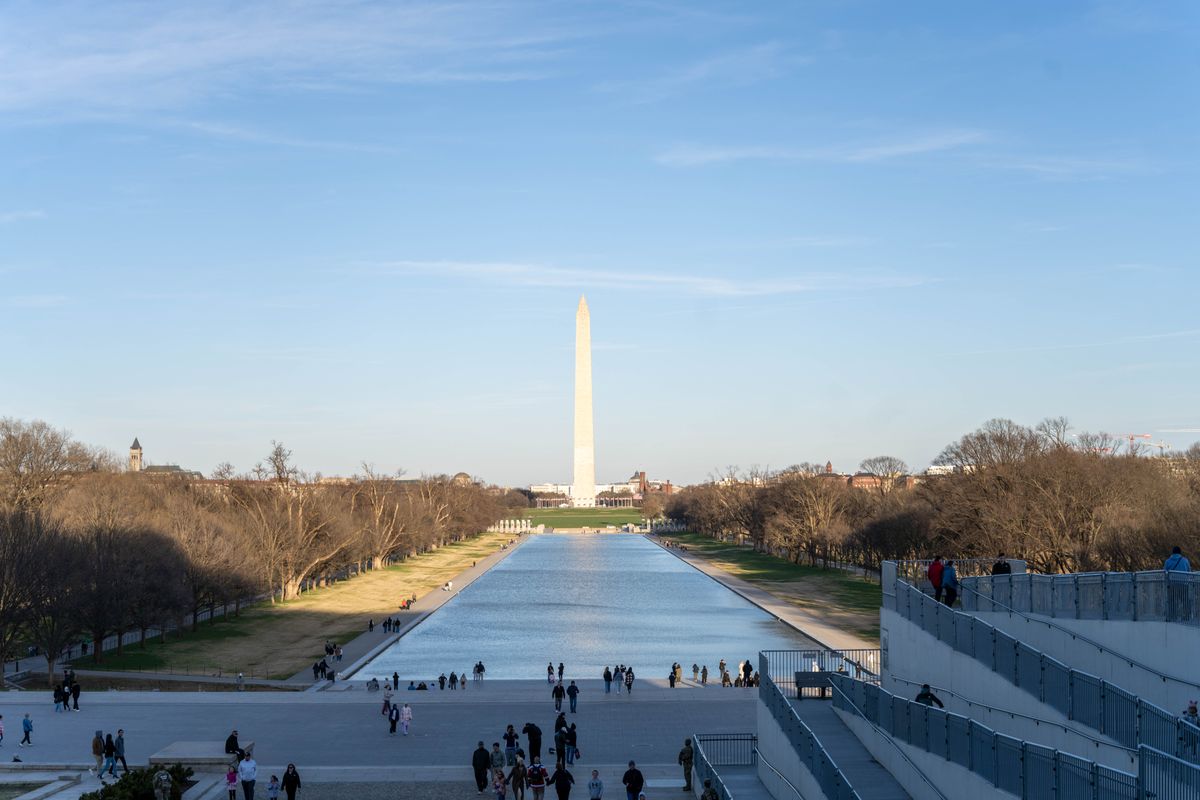
The Lincoln Memorial Reflecting Pool project was promoted as part of an ambitious effort to prepare Washington for America’s 250th anniversary. The administration wanted the work completed quickly so the landmark would be ready for July Fourth celebrations.
Atlantic Industrial Coatings received more than $14.6 million to resurface the pool through an expedited, no-bid process. The broader renovation was reported to cost more than $16 million, making the project a major public expense rather than a routine maintenance job.
Soon after the pool reopened, its new blue coating began peeling. Pieces of the material appeared in the water, algae spread across the basin, and officials eventually drained the pool again so the damage could be inspected and repaired.
For Americans who have paid a contractor only to watch newly completed work fail, the sequence is painfully familiar. The job was rushed toward a deadline, problems appeared almost immediately, and officials began arguing over who deserved the blame.
The difference is that taxpayers financed this project. They did not choose the contractor, negotiate the terms, or approve the rush to completion, yet they may ultimately bear the cost of correcting the work.
President Trump initially presented the renovation as proof that his administration could improve Washington quickly. When the coating deteriorated, however, his administration shifted attention toward suspected vandals.
Trump alleged that someone used a knife or box cutter to create a lengthy cut in the coating. He circulated security footage showing people reaching into the pool, although the recording did not clearly establish that anyone was holding a cutting tool.
Some visitors may have touched or removed pieces of coating. Yet the extensive damage later documented across the drained pool created a much larger problem for prosecutors: they could not reliably separate alleged vandalism from material that had already failed.
Prosecutors Charge Four People, Then Abandon Every Reflecting Pool Case
Former Olympic canoeist David Hearn became the most prominent person caught in the administration’s vandalism crackdown. Authorities accused the 67-year-old Bethesda resident of ripping away part of the coating during a June 19 visit.
A grand jury indicted Hearn on July 2 for felony destruction of property. Pirro publicly promised that her office could prove Hearn deliberately damaged the Reflecting Pool and caused more than $1,000 in harm.
The Justice Department’s original announcement described the alleged conduct as an affront to the country’s shared history. That forceful language placed the full weight of the federal government behind a prosecution involving a piece of peeling pool sealant.
Hearn pleaded not guilty. He said he reached into the water while stopping during a bicycle ride, examined material that was already loose, and released it when a park employee told him to stop.
Pirro’s position changed after she and senior prosecutors inspected the fully drained pool on July 17. Without water obscuring the surface, they discovered extensive damage throughout the basin, including areas far removed from the location associated with Hearn.
Her office then demanded complete installation records from the Interior Department. Prosecutors said they received approximately 695 megabytes of additional material that revealed repeated coating failures, weather-related complications, and efforts to rush the project toward its July Fourth deadline.
One June 11 email from a National Park Service engineer warned that overspray along the pool’s perimeter could leave a one-to-two-foot strip vulnerable to peeling. That was the same general area where Hearn was accused of damaging the material.
The newly produced documents pointed toward flawed installation by Atlantic Industrial Coatings. They also showed that problems had developed during the resurfacing process, before prosecutors portrayed Hearn’s alleged conduct as the primary explanation for the damage.
Pirro’s office ultimately admitted that the records undermined the indictment’s evidentiary foundation. Prosecutors said the widespread deterioration was difficult to attribute to vandalism, much less prove beyond a reasonable doubt.
That was not a minor legal adjustment. The same office that confidently accused Hearn of a deliberate felony later acknowledged that it lacked enough evidence to show he caused the damage assigned to him.
Prosecutors requested dismissal without prejudice, which technically leaves open the possibility of a future prosecution if new evidence appears. Hearn’s attorneys said the case should never have been filed and argued that the government owed him an apology.
Three other defendants, Justin Carreno, Sophie Dennison-Gibby, and Cameron Thiers, had faced misdemeanor property destruction charges involving alleged damage valued at less than $1,000. All three pleaded not guilty. Pirro’s office later dropped those misdemeanor cases as well. Four people had been accused, four cases were pursued, and all four prosecutions ended without a conviction.
Trump and Pirro Turn the Failure Into a White House Blame Game
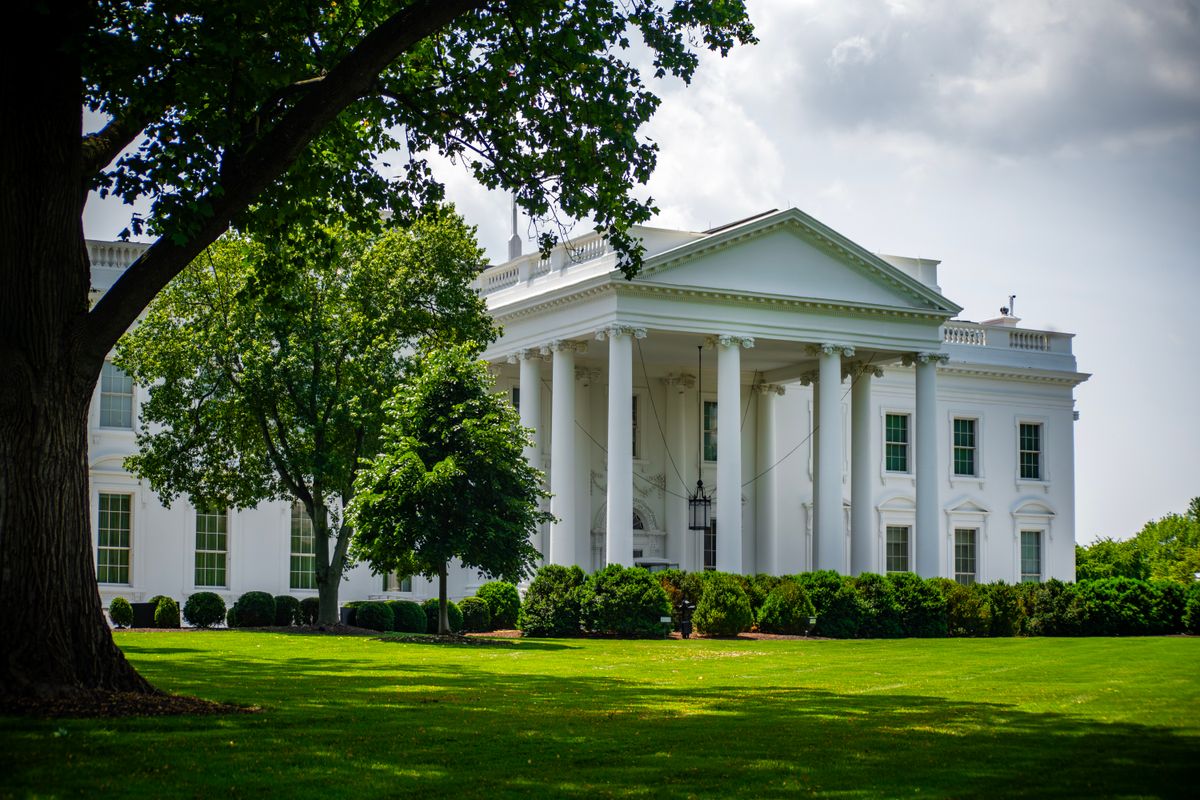
Instead of explaining how an expensive public project deteriorated so quickly, senior administration officials began fighting over the prosecution. The controversy moved from the pool to the Oval Office, but Americans still received no clear account of who approved the rushed work or who will pay for the repairs.
Pirro’s court filing accused the Interior Department of providing incomplete information before the government sought Hearn’s indictment. Her office said interior officials initially directed prosecutors toward suspected vandals without disclosing the full extent of the installation failures.
Interior Secretary Doug Burgum rejected that account. He said his department provided the U.S. Attorney’s Office with requested evidence, eyewitness information, and expert testimony supporting the vandalism allegations. Trump sided publicly with the vandalism explanation. He wrote that he disagreed “100%” with Pirro and later told reporters that she had “choked” and “folded like an umbrella.”
The president suggested Pirro retreated because the judge had been hostile toward her office. That explanation ignored the central problem described in the government’s own filing: newly obtained construction records had made it difficult to prove the charges beyond a reasonable doubt.
Trump and Pirro reportedly held several conversations about the case, including a tense weekend phone call. Pirro defended the filing by pointing to the career prosecutors who handled the matter, but the reversal still occurred under her leadership. Trump then met with Pirro and Burgum at the White House on Monday afternoon.
People familiar with the meeting said Pirro was not fired and did not resign. That outcome may have saved Pirro’s job temporarily, but it did nothing to resolve the administration’s credibility problem. Trump continued promoting a vandalism theory while his own prosecutors told a court that defective installation had severely weakened the government’s case.
The situation placed Pirro in an awkward position. She could support Trump’s public narrative or defend a filing based on the evidence her prosecutors reviewed, but the two positions could no longer fit comfortably together.
Americans Are Still Waiting for Accountability
Pirro remains the Senate-confirmed U.S. attorney for the District of Columbia. She won confirmation in August 2025 by a 50-to-45 Senate vote after serving in an interim capacity. Her confirmation does not guarantee job security. Federal law allows the president to remove a U.S. attorney, meaning Trump can still dismiss Pirro whenever he chooses.
The more important question is why personnel drama has overshadowed the underlying public failure. A multimillion-dollar renovation deteriorated, federal agencies apparently failed to share crucial information promptly, four people faced criminal proceedings, and senior officials responded with accusations against one another.
We now know that prosecutors did not possess the complete construction record when they pursued Hearn’s indictment. We also know that Pirro publicly claimed her office could prove the case before the drained-pool inspection exposed the scale of the installation problems.
What Americans still do not have is a complete accounting of responsibility. There has been no clear public explanation of who decided the work was ready, who accepted the coating, what the corrective repairs will ultimately cost, or whether the contractor will absorb those expenses.
The defendants paid their own price through arrests, court appearances, legal costs, and public accusations. Taxpayers paid for the renovation and may face additional costs associated with repairing it.
Trump’s decision not to fire Pirro may dominate the political headlines, but it should not distract from the larger issue. The Reflecting Pool controversy became a familiar Washington story in which the public paid for an expensive promise, the promise failed, and officials spent more energy blaming one another than explaining how they would prevent it from happening again.