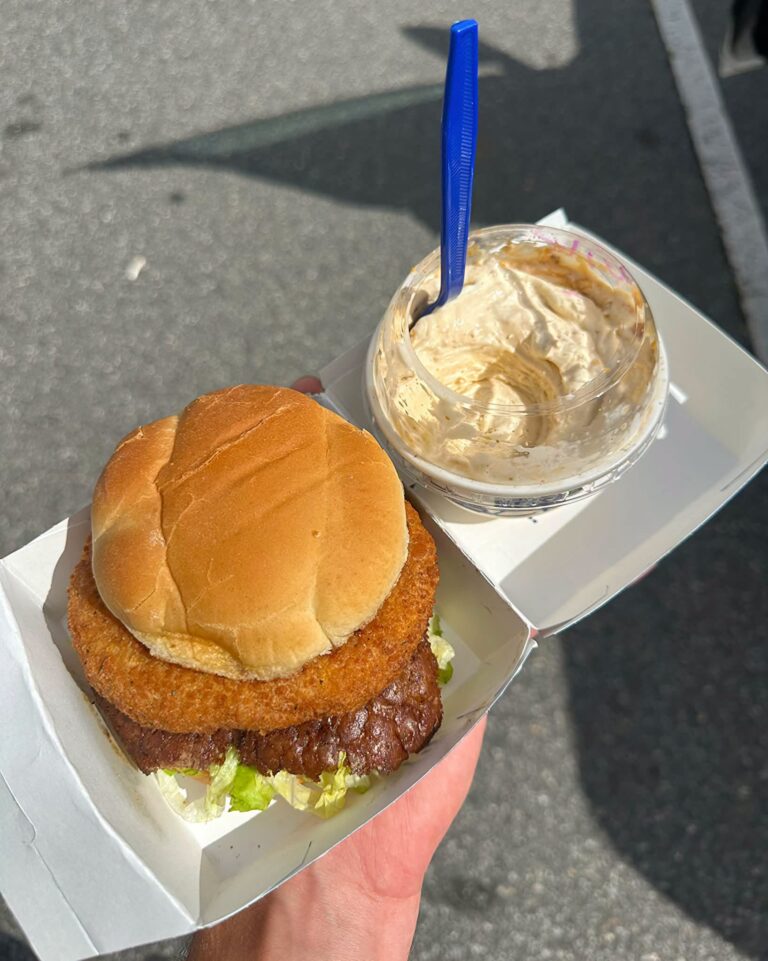
9 Restaurant Charges That Can Surprise Customers When the Bill Arrives
Ordering at a restaurant should involve understanding what a meal will cost. But taxes, service charges, optional extras, and other fees can make the final bill higher than expected.
Some charges are standard and clearly disclosed. Others are easy to overlook when customers concentrate on menu prices. These nine situations are worth understanding before ordering, particularly when dining with a group or visiting an unfamiliar restaurant.

1. Automatic Gratuities
Some restaurants add an automatic gratuity to bills for larger groups. The charge may be a percentage of the total and can be included regardless of individual tipping preferences.

Policies vary by restaurant and jurisdiction. Customers should check the menu or reservation conditions before assuming a gratuity is optional.
An automatic charge may be distributed differently from a voluntary tip, depending on the business and applicable law. Asking staff for clarification can help. Understanding the policy before ordering reduces confusion when the bill arrives.
2. Service Charges
A service charge may appear as a separate percentage or fixed fee. Restaurants use such charges for different purposes, including operational costs or employee compensation arrangements.
The name alone doesn’t always explain how the money is used. Customers may need to read the restaurant’s disclosure or ask for clarification.
Service charges should not be confused automatically with tips. Their treatment depends on the establishment and applicable rules. Checking posted information can prevent unpleasant surprises.
3. Delivery Fees
Restaurant delivery orders can include several charges beyond the listed food price. Delivery fees, service fees, taxes, and optional tips may all contribute.
The total can differ between ordering directly from a restaurant and using a third-party platform. Comparing final checkout amounts is more useful than comparing menu prices alone.
Some services offer subscriptions that reduce particular fees. Those plans only provide value when actual usage justifies their cost. Customers should review the final amount before confirming an order.
4. Premium Add-Ons
A restaurant may offer extra cheese, avocado, bacon, or other toppings for an additional charge. These options can make a meal more enjoyable, but the costs accumulate.
Adding several extras to an ordinary sandwich or salad can significantly increase the price. The final amount may be much higher than the original menu listing.
Checking add-on prices helps customers decide which ingredients are worthwhile. Some restaurants include certain toppings, while others charge separately. Customization is useful when customers understand the cost.
5. Bread or Table Extras
In some restaurants and countries, bread, olives, or other items brought to the table may carry a charge. Customers accustomed to complimentary bread can be surprised.
Practices vary considerably, so it’s unwise to assume every restaurant follows the same rule. Asking whether an item is complimentary is reasonable when the situation is unclear.
Travelers should also learn local dining customs. A familiar practice at home may not apply elsewhere. Clear communication helps avoid confusion without creating unnecessary conflict.
6. Corkage Fees
Restaurants that permit customers to bring their own wine may charge a corkage fee. The charge can cover service, glassware, and the restaurant’s policies regarding outside beverages.
Not every establishment allows outside alcohol. Customers should check before arriving with a bottle.
Fees vary, and some restaurants waive them under specific circumstances. Understanding the policy beforehand prevents surprises. A corkage fee can still provide value in certain situations, but it should be considered part of the total cost.
7. Cake-Cutting Fees
Restaurants may charge for cutting and serving a cake brought from outside. The fee can reflect staff time, tableware, and the use of dining space.
This is particularly relevant for birthdays and other celebrations. Customers may assume bringing a cake is automatically permitted.
Checking with the restaurant before the event is the safest approach. Some establishments require advance approval or offer their own desserts instead. Planning avoids arriving with food the restaurant cannot accommodate.
8. Specialty Beverage Prices
Coffee, bottled water, mocktails, and other beverages can increase the final bill. Customers may focus on entrée prices and overlook drinks.

Refills aren’t always complimentary, and different types of water may carry separate charges. Policies vary by restaurant.
Reviewing beverage prices can help control spending. Guests may also choose ordinary water where it is available and appropriate. The most expensive beverage isn’t necessarily essential to enjoying the meal.
9. Shared-Plate or Minimum-Spend Charges
Some restaurants charge a shared-plate fee when customers divide one entrée. Others impose minimum spending requirements for certain tables, events, or reservations. These policies may help businesses manage operational costs, but they can surprise customers who weren’t expecting them.
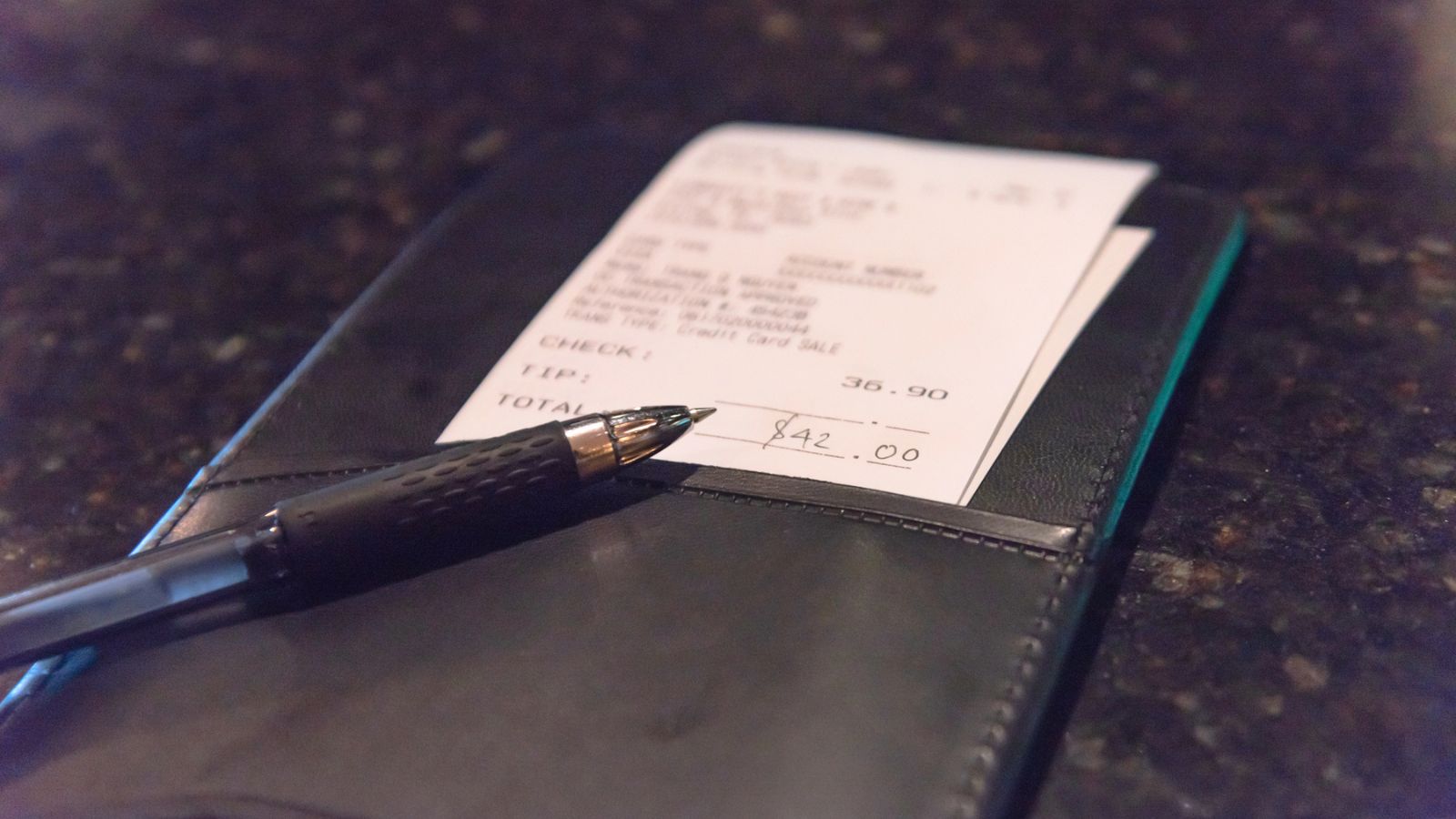
The FTC’s consumer guidance provides information about marketplace practices and consumer rights. Rules concerning disclosure and fees can also differ by location. Customers should review reservation conditions and menus before confirming plans.
How to Avoid an Unexpected Restaurant Bill
The most useful habit is checking the full pricing information rather than focusing only on entrée costs. A restaurant meal can include several legitimate charges that change the total.
Customers should ask about unclear fees before ordering. Staff can often explain policies more easily before the bill is finalized.
Good restaurant etiquette also includes communicating concerns respectfully. A pricing question doesn’t need to become a confrontation.
A restaurant visit should be enjoyable, not financially confusing. Understanding the possible charges makes it easier to select a venue that fits your budget.
Clear prices benefit both customers and restaurants. They help establish expectations before anyone orders food.