When Winter Became the Enemy: 8 Unusual Tricks U.S. Soldiers Used to Stay Warm During WWII
Winter during World War II was more than an uncomfortable season for American soldiers. In parts of Europe, freezing temperatures, heavy snow, icy winds, and waterlogged foxholes made everyday survival a serious challenge. For troops fighting in the European theater, particularly during the Battle of the Bulge in 1944–1945, staying warm could be just as difficult as facing enemy fire.
Many soldiers entered the winter months without adequate cold-weather clothing. Standard leather combat boots offered little protection against prolonged exposure to snow and freezing mud. Gloves were sometimes insufficient, and wet socks could turn an ordinary night in a foxhole into a miserable experience.
With proper supplies often unavailable, American troops became resourceful. They used ordinary objects, discarded materials, and unconventional techniques to protect themselves from the cold.
Some of these solutions might sound strange today, but they reflected the difficult conditions soldiers faced. Here are eight unusual ways U.S. soldiers tried to keep warm during brutal World War II winters.
Burning Waxed K-Ration Boxes for Extra Heat
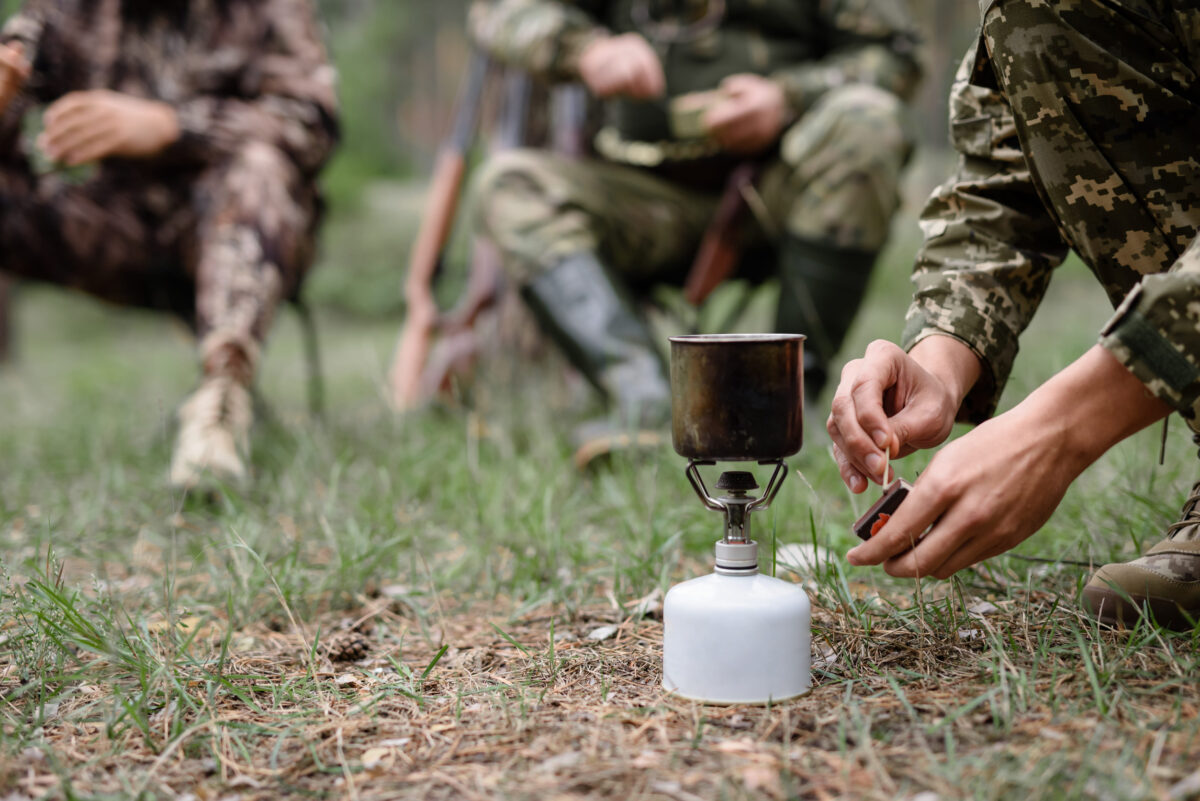
A discarded food container could become surprisingly useful during a freezing night.
Some American soldiers used the waxed cardboard packaging from their K-rations as an improvised heat source. The boxes could produce a small flame, providing temporary warmth in the cold conditions of a foxhole.
Veteran accounts describe soldiers using burning K-ration boxes to warm their feet while changing socks. The material also let them dry damp clothing when circumstances allowed.
It was hardly a replacement for proper heating equipment, but even a little warmth could make a difference after hours of exposure to freezing temperatures.
Related: 9 Hidden Dangers of Candles That Most People Ignore
Heating Pebbles to Dry Their Wet Socks
Wet footwear was one of the biggest problems American soldiers encountered during the European winter.
Rather than simply putting wet socks back into their boots, some soldiers developed an unusual drying technique. They heated small pebbles in metal cans, then transferred the warmed stones into wet socks and shoes.
The retained heat helped dry the damp material and made the footwear more comfortable.
This was particularly important because prolonged exposure to cold and moisture could cause trench foot, a painful condition that sometimes resulted in serious tissue damage.
The U.S. Army’s medical history of the European campaign documents this improvised method, illustrating how soldiers used whatever materials were available to protect their feet.
Stuffing Straw Inside Their Overshoes
Straw might seem better suited to a barn than a military uniform, but it served a practical purpose in freezing weather.
Army medical records on cold-weather protection mentioned using straw inside oversized footwear. The material could insulate while still leaving room for the feet.
The idea was not entirely unfamiliar. Military medical officers also noted that people in extremely cold northern regions used straw inside large shoes to provide insulation and ventilation.
American soldiers struggling with inadequate footwear could benefit from similar improvised protection.
A key consideration was avoiding footwear that squeezed the toes too tightly, since restricted circulation could worsen cold-weather injuries.
Turning Army Blankets Into Oversized Mittens
Standard military gloves were not always enough to protect soldiers’ hands during extremely cold conditions.
Some American infantrymen responded by cutting oversized mitten patterns from army blankets and sewing the pieces together.
These homemade mittens offered an additional insulating layer and helped protect exposed hands from the freezing air.
They were not particularly fashionable or convenient, but soldiers cared more about keeping their fingers functional than looking presentable.
The U.S. Army’s official medical history of the Battle of the Bulge records this improvisation as one of the practical lessons soldiers learned while fighting through the brutal winter.
Related: 9 Dark Realities Behind Our Unpreparedness for Death
Wrapping Their Feet in Newspapers
Newspapers did more than keep soldiers informed about developments elsewhere in the war.
Some troops used paper as an additional insulating layer around their feet. The material provided a barrier between the skin, socks, and cold footwear.
Other soldiers used strips of blankets or old cloth when they had suitable materials.
The idea was simple: add another layer to help retain warmth inside the footwear.
However, paper was only useful as long as it remained reasonably dry. Once soaked, it could lose much of its insulating value.
For soldiers who had limited access to replacement socks and proper winter boots, improvised insulation offered another way to cope with the conditions.
Related: 7 Things You Probably Have at Home if You Grew Up Poor
Wearing Wool Socks Against Their Bodies
Sometimes the best place to keep spare clothing was not inside a backpack.
Some soldiers carried their replacement socks close to their bodies, including inside their shirts or long underwear. Body heat helped keep the spare pair warm until it was needed.
This practice was especially useful when soldiers had spent hours standing in snow or sitting in damp foxholes.
A veteran account published in the U.S. Army’s historical coverage of the Battle of the Bulge describes how one soldier kept an extra pair of socks against his belly before changing into them.
It was a small adjustment, but having a warm, dry pair of socks could make an uncomfortable situation considerably more bearable.
Making Foot Muffs From Army Blankets
The battle against the cold didn’t end with warmer socks.
American soldiers also improvised ways to protect their feet while resting. Some made blanket foot muffs that could be worn over their feet, particularly at night.
These homemade coverings provided an additional insulating layer when soldiers removed their wet combat boots and socks.
The U.S. Army’s medical history specifically records blanket muffs as one of the measures infantrymen adopted during the Ardennes winter.
The practice also reflected an important lesson learned during the campaign: keeping feet dry was just as important as keeping them warm.
Putting Rocks and Branches Beneath Their Feet in Foxholes
A foxhole offered protection from enemy fire, but it was not necessarily a comfortable place to spend a freezing night.
Many soldiers had to remain in muddy, waterlogged positions for extended periods. Their feet could end up in direct contact with freezing ground and standing water.
One practical solution was to place rocks and branches beneath their feet, creating a makeshift barrier between their footwear and the wet ground.
Army medical training materials also recommended using available objects, such as food containers and packboards, to keep feet off muddy foxhole floors.
It was a simple technique that required no special equipment, yet it addressed one of the most persistent problems soldiers faced during winter operations.
The Cold Was an Enemy of Its Own
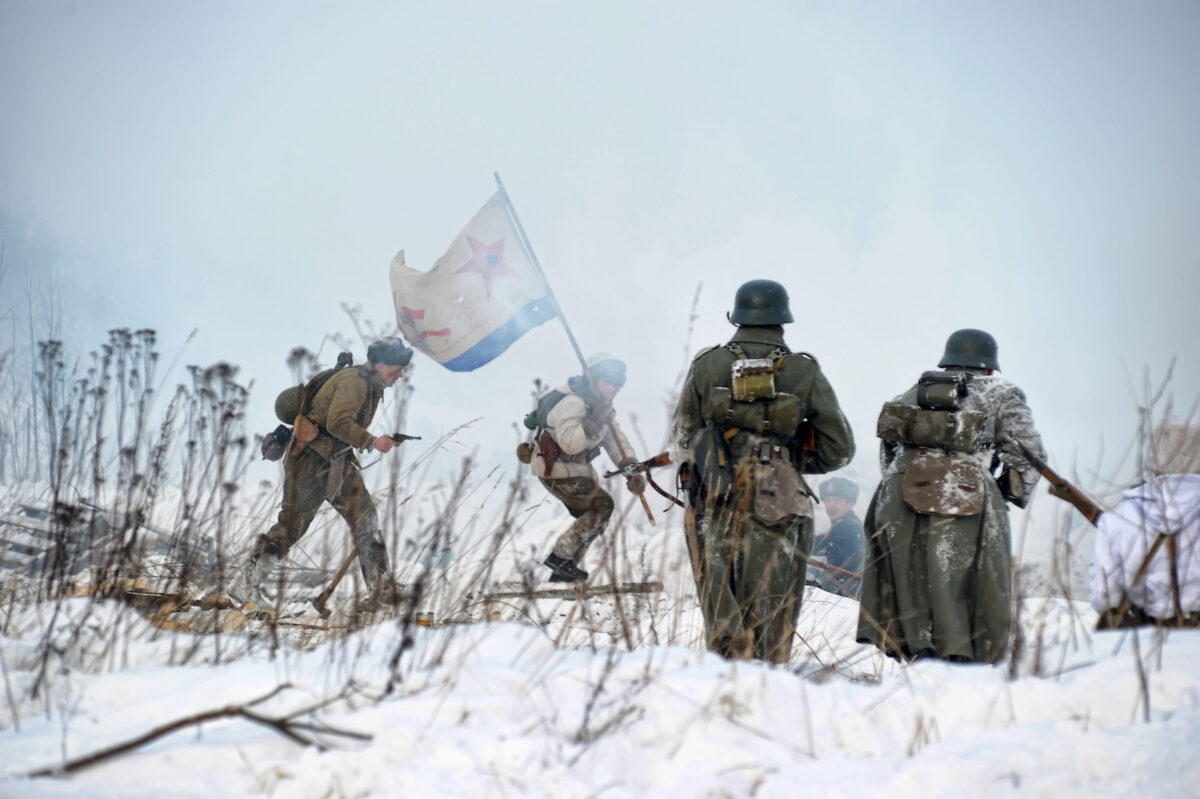
The winter of 1944–1945 demonstrated that soldiers could face serious dangers even when they were not directly engaged in combat.
During the Battle of the Bulge, American troops struggled with inadequate winter equipment, freezing temperatures, wet footwear, and prolonged exposure. The consequences included frostbite, hypothermia, and trench foot.
According to the U.S. Army’s historical account of the campaign, cold-weather injuries became a major problem, sometimes taking soldiers away from their units even when they had escaped enemy fire.
The unusual tricks soldiers developed were not perfect solutions. They were practical responses to difficult circumstances, often using materials that would otherwise have been discarded.
Looking back, these improvised methods reveal an overlooked part of World War II history. Beyond the weapons, military strategies, and famous battles, ordinary soldiers were finding extraordinary ways to endure another freezing night.
For many, survival sometimes depended on something as simple as a dry pair of socks, a blanket, or a handful of heated pebbles.