Firefighters Keep Warning Homeowners About This One Kitchen Appliance: Unplug It Before Going to Bed
Most people have a familiar bedtime routine. They turn off the lights, lock the doors, check the windows, and head upstairs. But there is one small kitchen habit that many households overlook, and firefighters have repeatedly highlighted its importance: unplugging the toaster.
It may seem harmless to leave a toaster plugged into the wall after breakfast, especially when its heating elements are no longer glowing. However, fire safety authorities warn that small kitchen appliances can present unnecessary risks when left connected to electricity.
A toaster deserves particular attention because it combines electrical components, extremely hot heating elements, and food crumbs that can accumulate inside the appliance.
The concern is not that every plugged-in toaster will start a fire. Modern appliances have safety features, and many include automatic shutoff mechanisms. Nevertheless, unplugging a toaster after use is a simple precaution that can reduce avoidable electrical and fire hazards.
Here is why firefighters want homeowners to pay closer attention to this everyday kitchen appliance.
Crumbs Can Become a Hidden Fire Hazard
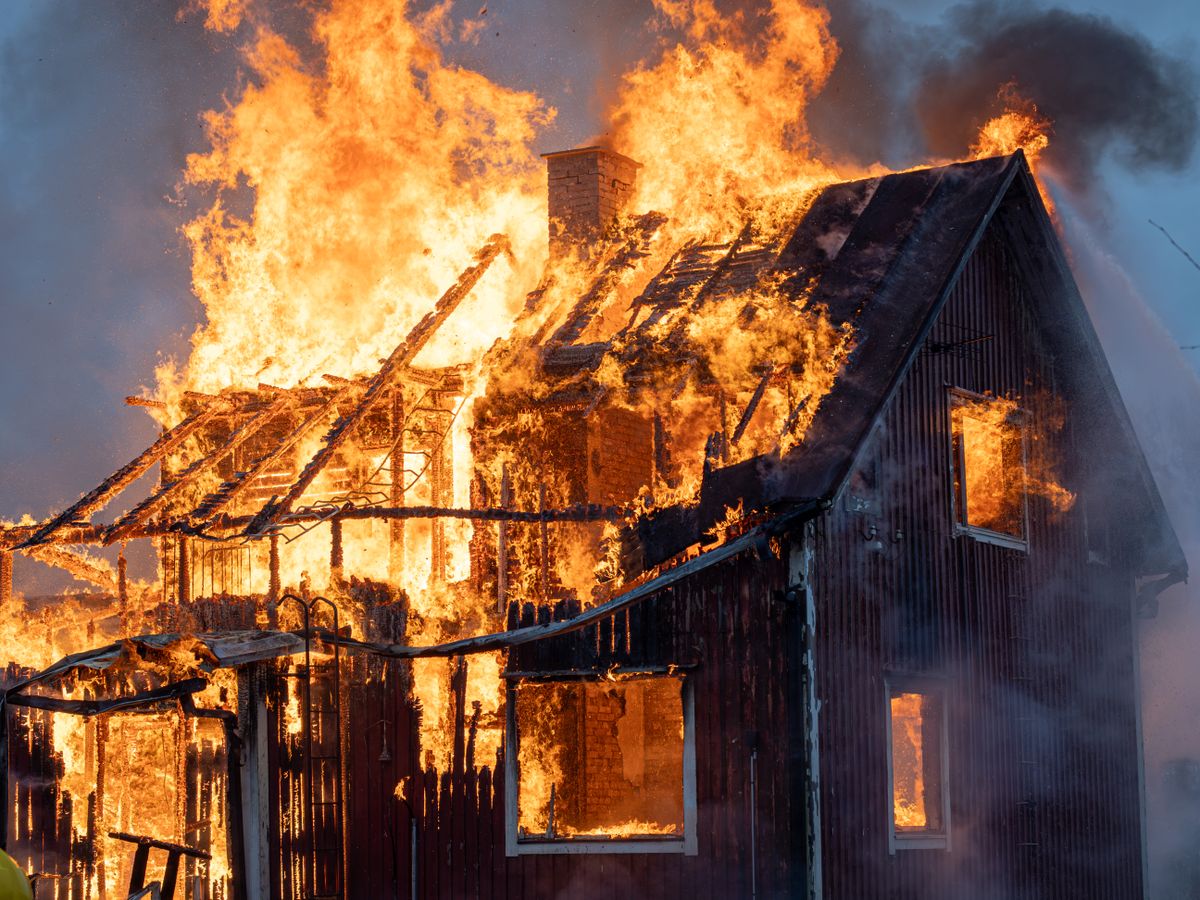
One reason toasters deserve regular attention is the amount of food debris that collects inside them.
Every time someone makes toast, tiny pieces of bread can fall through the slots and accumulate around the heating elements and crumb tray.
Over time, these leftovers can become a potential fire hazard, particularly when the appliance is used repeatedly without proper cleaning.
The Queensland Fire Department specifically advises homeowners to unplug their toasters when not in use and clean the crumb tray regularly.
This easy household task takes very little time but shouldn’t be overlooked.
The Heating Elements Become Extremely Hot
A toaster works by passing electrical current through heating elements that generate intense heat.
During normal operation, these elements become hot enough to toast bread within minutes. The appliance is designed to contain that heat safely, but problems can arise when food gets trapped inside, or the appliance develops a fault.
According to Electrical Safety First, toaster heating elements can exceed 600 degrees Celsius.
This is one reason homeowners should avoid inserting metal objects into a toaster, even when trying to remove a stuck piece of bread.
Unplugging the appliance before cleaning or inspecting it helps prevent accidental electrical contact.
A Stuck Lever Does Not Always Mean the Appliance Is Completely Disconnected
Many people assume that pushing the toaster lever back up means everything inside has been disconnected from electricity.
However, switching off the heating cycle and disconnecting an appliance from its power source are not necessarily the same thing.
Leaving the plug connected means the appliance remains attached to the electrical supply.
Unplugging it adds an extra precaution, especially for older appliances, damaged equipment, or models showing signs of electrical problems.
This does not mean every modern toaster remains actively heating after use. Automatic shutoff mechanisms are designed to stop normal toasting cycles.
The key distinction is that unplugging disconnects the appliance from the power supply.
Related: How to Install an Electric Baseboard Heater Thermostat
Faulty Wiring Can Create Problems When Nobody Is Watching
A damaged electrical cord or faulty internal connection can turn an ordinary kitchen appliance into a safety concern.
Warning signs include frayed cables, damaged plugs, unusual buzzing, burning smells, scorch marks, and sockets that become unusually hot.
These problems should never be ignored.
The U.S. Fire Administration advises homeowners to replace appliances with cracked, damaged, or loose electrical cords.
If your toaster shows any of these warning signs, stop using it, disconnect it if safe to do so, and have it inspected or replaced.
Leaving a questionable appliance connected overnight is an unnecessary risk.
A Clean Toaster Is a Safer Toaster
Unplugging your toaster is important, but regular maintenance matters too.
The crumb tray is particularly easy to forget because it is usually hidden underneath the appliance.
Accumulated crumbs can contact hot components during later use.
Fire safety guidance recommends cleaning the tray regularly and removing trapped food debris as the manufacturer’s instructions say.
Always disconnect the toaster and allow it to cool completely before cleaning.
Avoid shaking it aggressively or inserting knives, forks, and other metal objects into the slots.
The Kitchen Should Be Part of Your Bedtime Fire Check
Firefighters often encourage households to develop a simple bedtime routine.
The kitchen deserves special attention because it contains several potential ignition sources.
Before bed, check that the cooker and oven are switched off, candles are extinguished, and portable heating appliances are disconnected where appropriate.
Unplug small appliances that are not designed to remain connected overnight.
The U.S. Fire Administration recommends unplugging small appliances when they are not being used.
The London Fire Brigade also includes switching off and unplugging electrical appliances, except those designed to remain on, in its bedtime fire-safety checklist.
Not Every Kitchen Appliance Should Be Unplugged
There is an important distinction between small countertop appliances and equipment designed to operate continuously.
For example, your refrigerator and freezer need to stay plugged in to keep food fresh.
Unplugging them every night would defeat their purpose.
Instead, focus on appliances you don’t need overnight, including toasters and other small countertop devices.
Always follow the manufacturer’s instructions because different appliances have different electrical and safety requirements.
Related : How to Organize a Small Kitchen
Working Smoke Alarms Matter Just as Much
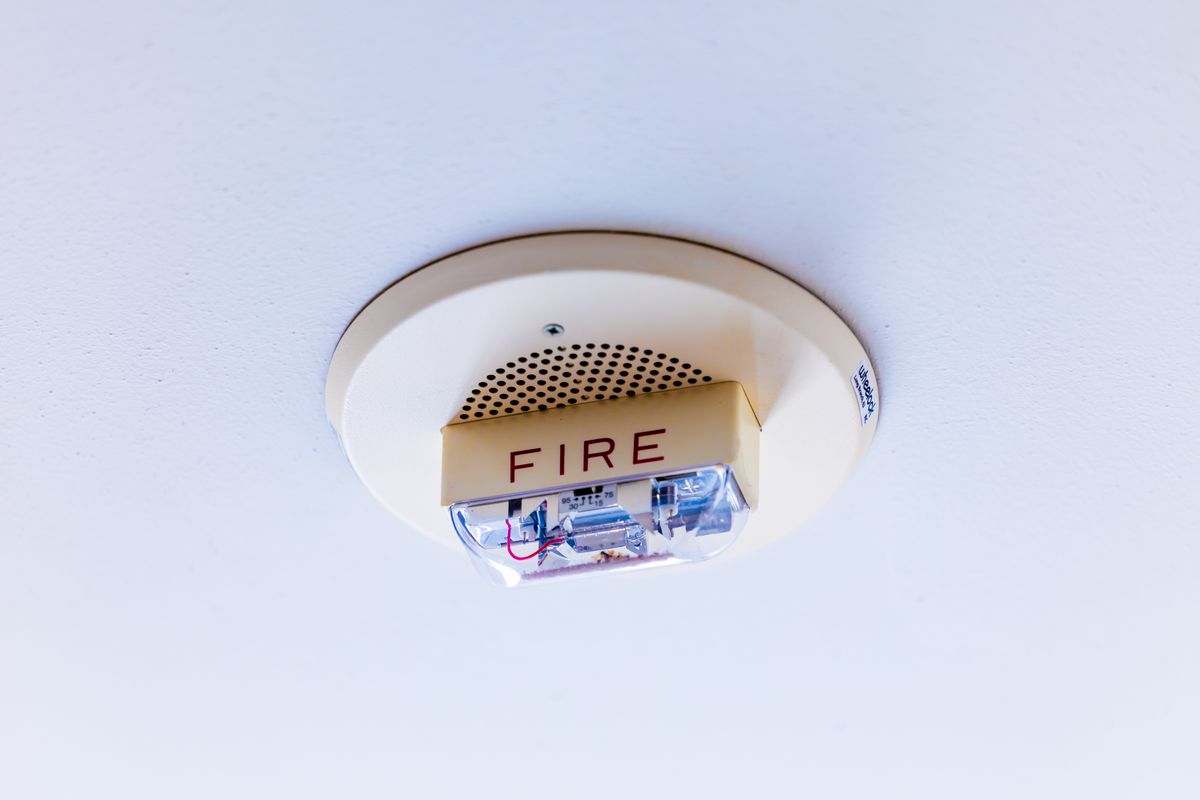
Even the most careful household cannot eliminate every possible fire hazard.
That is why functioning smoke alarms remain an essential part of home protection.
Install appropriate smoke alarms, follow local fire safety recommendations for their placement, and test them regularly according to the manufacturer’s instructions.
A smoke alarm can provide an early warning if a fire develops while everyone is asleep.
Also keep hallways and exits clear so household members can leave quickly in an emergency.
Related: 7 Things You Probably Have at Home if You Grew Up Poor
A Small Habit That Could Make Your Home Safer
Unplugging a toaster might seem like an insignificant addition to your evening routine, but it is a sensible precaution supported by fire safety guidance.
The Queensland Fire Department specifically recommends unplugging toasters when they are not in use, while the U.S. Fire Administration advises disconnecting small appliances after use.
Neither recommendation suggests that every plugged-in toaster is about to cause a fire. Rather, they reinforce a straightforward principle: avoid leaving unnecessary electrical appliances connected when they are not needed.
The next time you finish making breakfast, remember to clean the crumbs, switch off the appliance, and unplug it.
Sometimes, one of the simplest ways to make a home safer is to remember a small task before going to bed.