9 Southern Foods That Tell a Bigger Story Than Their Ingredients Suggest
At first glance, many Southern dishes look simple. A bowl of beans and rice, a wedge of cornbread, a pot of stew bubbling on the stove. They are made with humble ingredients that almost any family could afford, and they are often served without much fuss.
But behind many of these foods are stories of survival, migration, and cultures blending together over centuries. Native American, African, and European traditions all left their mark on the Southern table. Some dishes carry memories of hard times, while others celebrate luck, community, and family. Here are nine Southern foods that tell a much bigger story than their ingredients suggest.
1. Hoppin’ John
Hoppin’ John is a dish of black-eyed peas, rice, and pork, traditionally eaten on New Year’s Day for good luck. Its roots trace back to West African cooking traditions brought to the Carolina Lowcountry by enslaved people. Rice was a major crop in the region, and their knowledge was essential to growing it.
The dish is closely tied to Gullah Geechee culture along the coasts of South Carolina and Georgia. The National Park Service recognizes the Gullah Geechee Cultural Heritage Corridor for preserving these traditions. Today, families across the South still eat Hoppin’ John with collard greens on January 1st, hoping for luck and prosperity in the year ahead.
2. Gumbo
Gumbo is one of Louisiana’s most famous dishes, and it reflects many cultures in one pot. The word is often linked to a West African word for okra, while filé powder, made from ground sassafras leaves, comes from Native American cooking. French cooks contributed the roux, a mixture of flour and fat that thickens the stew.
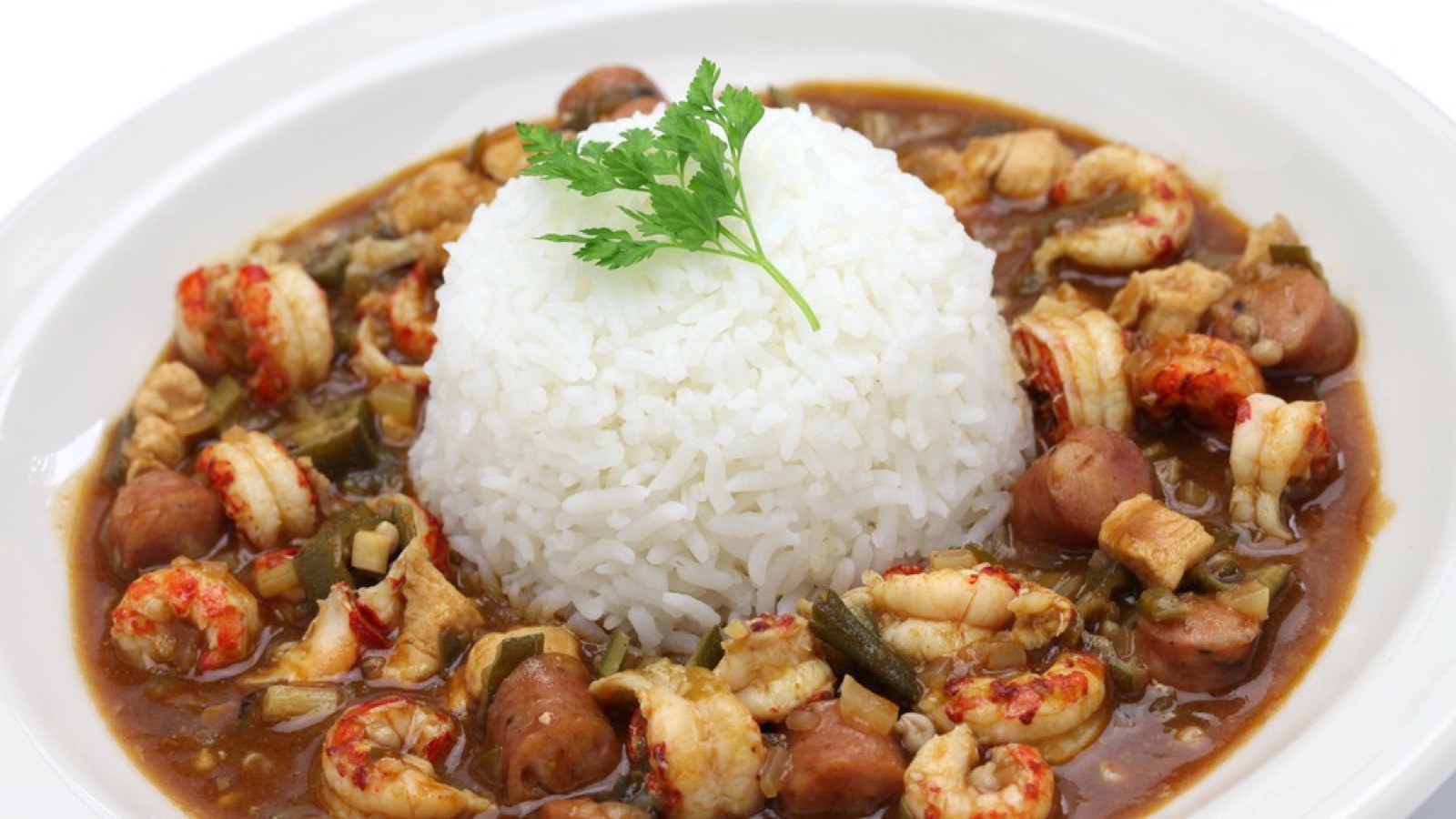
Spanish, German, and Caribbean influences are also found in gumbo. Every family has its own version, with chicken, sausage, shrimp, or crab. A pot of gumbo tells the story of Louisiana’s mixed heritage better than any history book.
Many Louisiana families also argue about whether gumbo should include tomatoes. Creole versions often do, while many Cajun cooks say tomatoes have no place in the pot. The debate shows how one dish can carry the identity of an entire community.
3. Red Beans and Rice
In New Orleans, red beans and rice has long been a Monday tradition. Monday was once wash day, and women needed a meal that could simmer all day while they did laundry. Leftover ham bones from Sunday dinner added flavor to the beans.
The dish became a symbol of the city’s culture. Musician Louis Armstrong was famously fond of it and even signed letters with “Red beans and ricely yours.” Many New Orleans restaurants still serve red beans and rice every Monday.
4. Brunswick Stew
Brunswick stew is a thick, tomato-based stew made with meat, corn, lima beans, and other vegetables. Both Brunswick County, Virginia, and Brunswick, Georgia, claim to have invented it. The argument has gone on for generations.
Early versions were often made with squirrel or other game, cooked in large pots for community gatherings. Today, chicken and pork are more common. The stew remains a popular dish at church suppers and barbecue restaurants across the South.
5. Sweet Potato Pie
Sweet potato pie is a holiday favorite in many Southern homes, especially in African American families. It has deep roots in the traditions of enslaved cooks, who made use of sweet potatoes because they grew easily. The pie became a symbol of family gatherings and celebrations.
Some families prefer it to pumpkin pie at Thanksgiving. The filling is often spiced with cinnamon, nutmeg, and vanilla. Each slice tells a story of resilience, creativity, and love passed down through generations.
6. Cornbread
Cornbread has its roots in the corn-based foods of Native Americans, who introduced settlers to the crop. Early versions were simple cakes made from cornmeal, water, and salt. Over time, cooks added buttermilk, eggs, and bacon fat.
Southerners often debate whether cornbread should include sugar. Many traditional cooks insist it should not. Baked in a hot cast-iron skillet, cornbread remains a staple of Southern meals.
Cornbread also became a symbol of making do. During hard times, it stretched a meal of beans or greens and filled hungry children. In many homes, a skillet of cornbread was on the table nearly every night.
7. Lowcountry Boil
Lowcountry boil, also called Frogmore stew, is a one-pot feast of shrimp, sausage, corn, and potatoes. It’s often credited to a cook from St. Helena Island, South Carolina, in the 1960s. The dish is named after the small community of Frogmore.
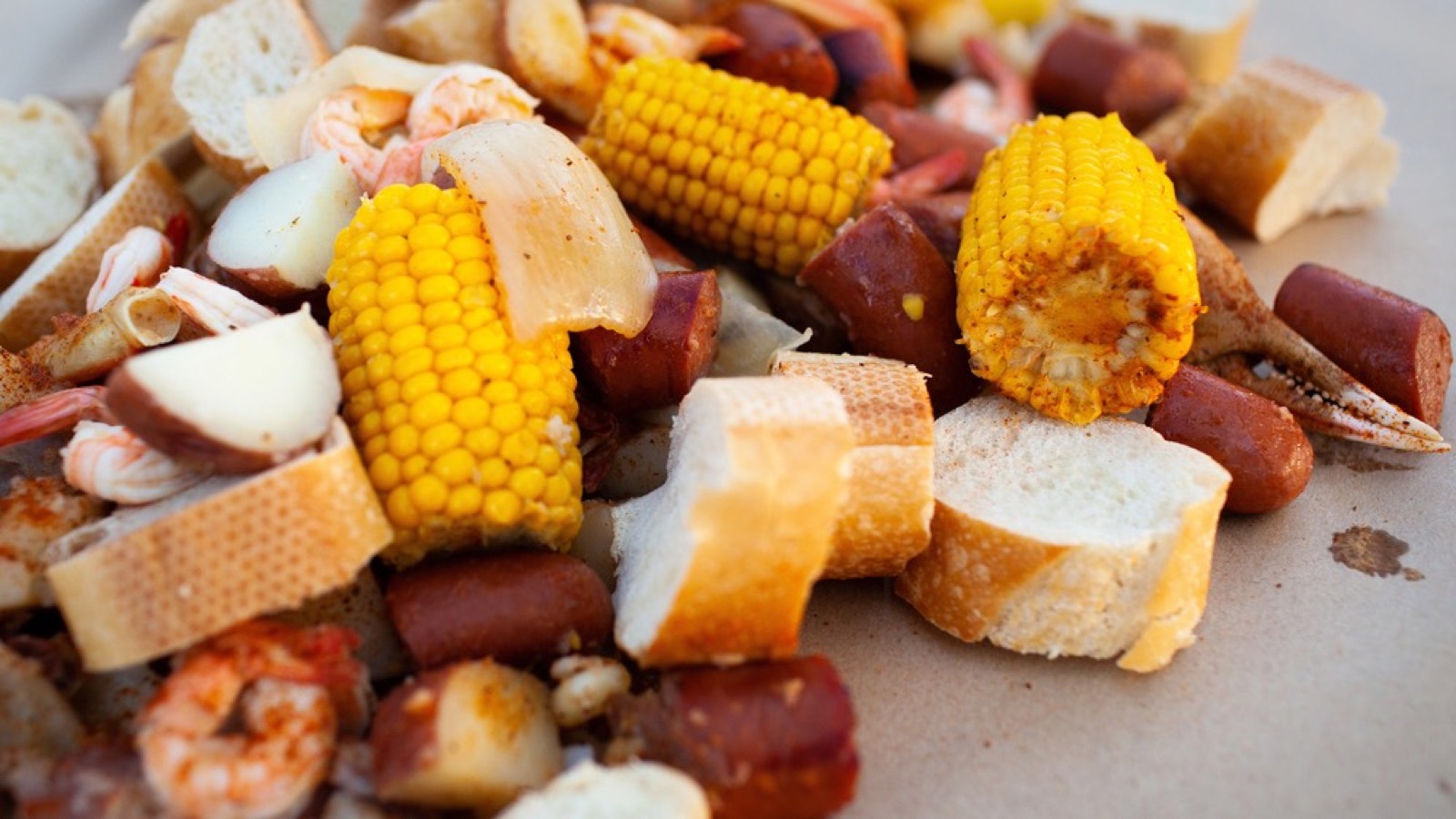
Lowcountry boil is usually poured onto a table covered with newspaper. Everyone gathers around to eat with their hands. It is a celebration of the region’s seafood and a symbol of community and hospitality.
8. Hushpuppies
Hushpuppies are deep-fried balls of cornmeal batter, often served with fried fish. Their name has inspired many legends. One popular story claims cooks tossed them to barking dogs to keep them quiet.
The truth behind the name is uncertain, but the dish has been part of Southern cooking for generations. Hushpuppies are especially common at fish fries and seafood restaurants. They’re simple, affordable, and delicious.
Many fish camps along Southern rivers and coasts still serve hushpuppies by the basket. Some cooks add onion, jalapeño, or a little sugar to the batter. Every family seems to have a slightly different recipe they swear by.
9. Barbecue
Barbecue is more than food in the South. It’s a tradition that varies by region, with different styles in the Carolinas, Tennessee, Texas, and beyond. Some prefer vinegar-based sauces, while others like tomato-based or mustard sauces.
Barbecue has roots in Native American, African, and European cooking methods. Pit masters often pass down their techniques through families. A plate of barbecue reflects local pride and history.
Why Food History Matters
These dishes are more than recipes. They tell stories of the people who created them and the communities that kept them alive. Learning their history helps us understand the South and its diverse cultures.
Many forgotten Southern desserts deserve to be remembered too. The South is also known for colorful Southern phrases that leave outsiders guessing. Which Southern dish holds special meaning for your family?