8 Memories of Grandpa That Stay With Grandkids for Years
Grandpa’s most lasting gift might be something nobody thought to photograph: the way he slipped an extra pancake onto a plate, waited through a rambling story, or announced the same terrible joke as though he had just invented it.
After he is gone, those details can become precious. The expensive presents may blur together, while an ordinary afternoon stays clear. Not every relationship with a grandfather is close or uncomplicated. These memories won’t belong to everyone.
But where affection existed, it often lives on through habits, shared moments, and familiar expressions. These eight things capture how someone can remain present in family life long after goodbye.
The Stories They Could Almost Tell for Him
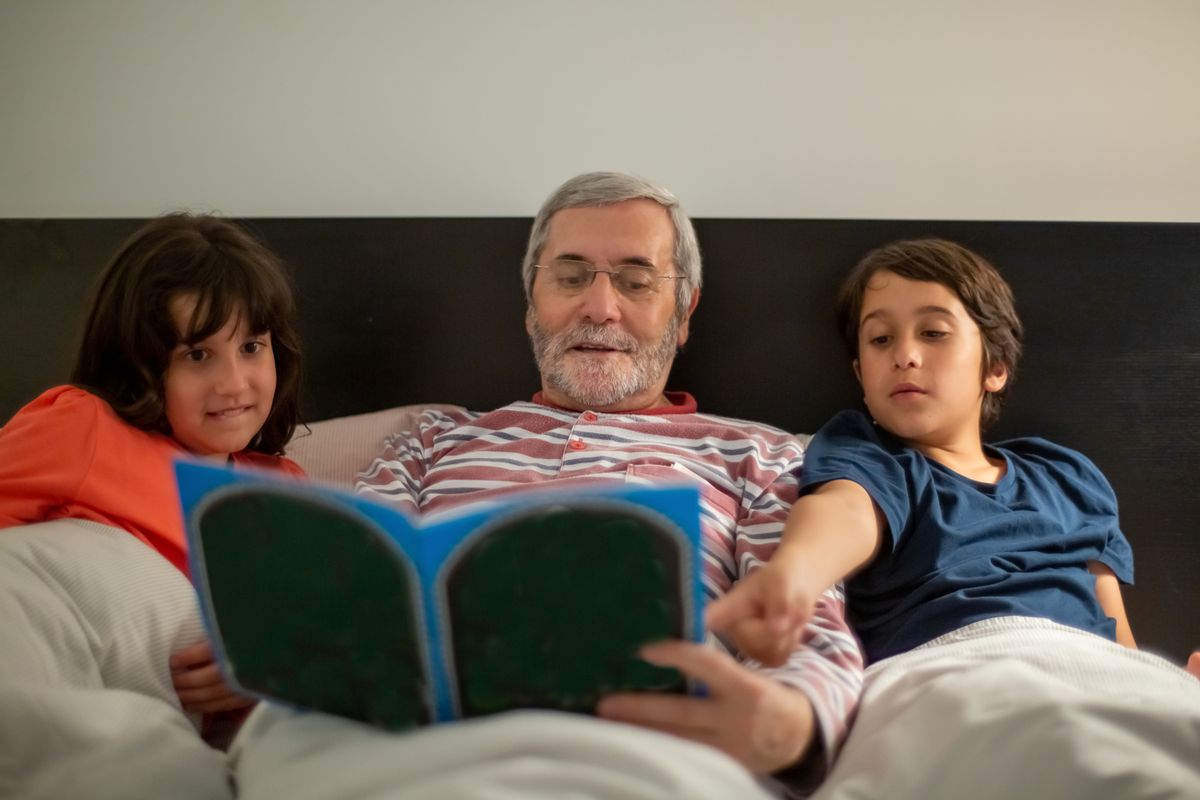
Everyone probably recognized one story from the opening sentence. His first job. The fishing trip that went wrong. The moment he first noticed Grandma across a crowded room.
Grandchildren might have rolled their eyes or interrupted with the next detail. Grandpa probably told it anyway. Later, they miss the repetition. They remember where he paused, which part made him laugh, and how the story changed slightly depending on his audience.
Family stories can help connect personal experiences with a wider family identity. His familiar tale offered a glimpse of who he was before anyone called him Grandpa.
The Jokes That Were Funny Because They Were His
Some grandfathers had excellent timing. Others relied on enthusiasm, questionable puns, and grandchildren willing to play along. Maybe he gave everyone ridiculous nicknames or pretended to mistake a teenager for a visitor who needed introducing. Perhaps his favorite joke earned more groans than laughter.
What lasts is often the whole performance: his raised eyebrows, the delighted grin, the way he started laughing before reaching the punch line.
Years later, a grandchild might repeat that joke at dinner and hear the same groan from a younger generation. For a moment, his particular brand of silliness has somewhere familiar to land.
The Errands That Made Them Feel Included
A hardware store visit rarely makes a family scrapbook. Neither does buying milk, collecting the mail, or helping wash the car on Saturday morning. Yet those outings could feel important to a child who had been invited along.
There might have been a job to do: holding the list, choosing the apples, keeping track of the change. Perhaps Grandpa asked for an opinion and actually waited for an answer.
The destination matters less than the feeling those afternoons carried. A place beside him mattered, and he wanted company. Years later, that invitation may mean more than anything they brought home.
The Patience He Gave Their First Attempts
Learning something with Grandpa could be messy. Bicycle patches refused to stick. Bread dough clung to fingers. A carefully shuffled deck ended up scattered across the table.
The lesson became memorable partly because of what happened next. Did he sigh and take over, or pull up a chair and explain it again? Did he make a mistake himself and laugh?
Being allowed another attempt could make a child feel capable, even while struggling. Later, the skill carries a second memory. Every repaired tire or loaf of bread recalls someone who made room for learning at its untidiest.
The Traditions Nobody Needed to Write Down
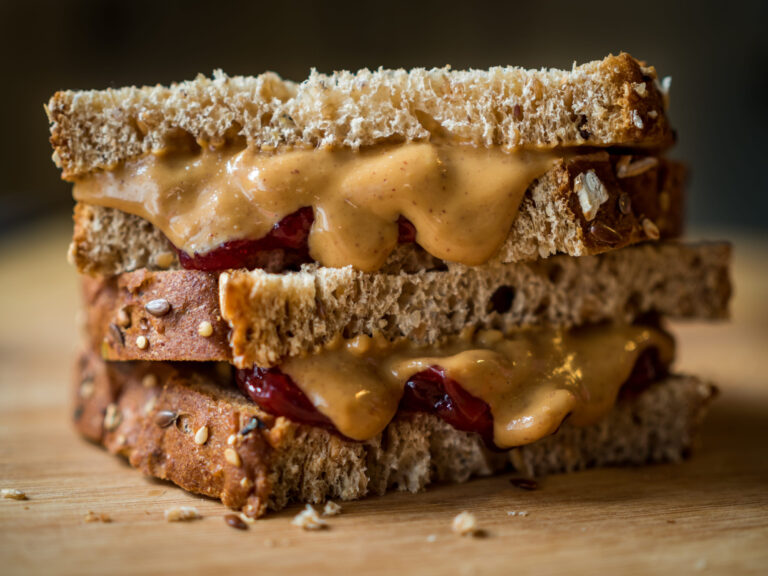
Some traditions belonged entirely to Grandpa and his grandchildren: pancakes after a sleepover, checking the garden before dinner, or listening to a favorite song during the drive home.
Nobody needed a calendar reminder. They knew what happened next. The details gave those routines their character. He used the same chipped bowl, insisted on sitting in the same chair, or saved the crispiest pancake for whoever reached the table first.
Food, music, and gatherings can prompt nostalgia. A grandchild repeating one of those routines may find that the connection survives imperfect results, changed surroundings, and pancakes slightly darker than Grandpa intended.
The Kindness They Understood Better With Age
As children, grandchildren might have noticed Grandpa making an extra stop on the way home or bringing a neighbor’s bins back from the curb. They might not have understood why he checked whether someone needed groceries or quietly paid for another person’s lunch.
With age, those memories can take on meaning. That extra stop was a visit to somebody living alone. The groceries saved a neighbor another difficult trip.
These recollections don’t require him to be flawless. They show a thoughtful habit worth remembering. Sometimes his strongest lesson was simply something he did while a grandchild happened to be watching.
The Way He Made Their World Worth Hearing About
Grandpa might never have understood the video game, playground disagreement, or complicated rules of a newly invented sport. But he could still ask who won.
He might remember a friend’s name, check how the school play went, or listen while a grandchild explained something in exhausting detail. What stays is often a gesture: the newspaper folded down, the television turned quieter, the telephone conversation allowed to continue.
He didn’t need perfect advice for every problem. His attention gave those conversations their value. A grandchild could leave feeling that their small world had mattered to someone whose own life had been considerably longer.
The Little Quirks That Made Him Grandpa
His keys rattling by the door. The cardigan over his chair. Two taps before entering a room. These details make a memory unmistakably his. Even the stubborn habits belong.
What remains may be ordinary, but it is personal: a way of laughing, listening, or making pancakes that another generation now carries forward.