9 Grocery Labels That Can Make Ordinary Foods Sound More Impressive Than They Are
Food packaging has become a little like advertising on a billboard. Words like “natural,” “multigrain,” and “protein-packed” jump out from the front of the box, promising that what’s inside is healthier, fresher, or better than the alternatives. For busy shoppers, those words can be enough to make a decision.
But many popular label claims don’t mean as much as they seem. Some have loose definitions or none at all, while others are technically true but misleading. Understanding what these words really mean can help you make better choices and avoid paying extra for clever marketing. Here are nine grocery labels that can make ordinary foods sound more impressive than they are.
1. Natural
“Natural” is one of the most common words on food labels. Many shoppers assume it means healthy or free of additives. But the term has no strict definition for most foods.
The FDA has said it generally considers “natural” to mean nothing artificial or synthetic has been added, but it hasn’t established a formal definition. A product labeled natural can still be high in sugar, salt, or fat. It’s always worth reading the ingredient list.
The FDA has asked the public for input on whether and how to define the term. Until it does, companies can use “natural” quite freely. That is why shoppers see it on everything from potato chips to sodas.
2. Multigrain
“Multigrain” sounds healthy, but it simply means the product contains more than one type of grain. Those grains may be refined, meaning they have lost much of their fiber and nutrients. Multigrain doesn’t necessarily mean whole grain.
To find whole grain products, look for words like “100% whole wheat” or “whole grain” as the first ingredient. The Whole Grains Council’s Whole Grain Stamp can also help identify products with significant whole grain content. Checking the fiber content on the nutrition label is another useful step.
3. Made With Real Fruit
“Made with real fruit” suggests a product is full of fruit. But the amount of fruit can be very small. Some products contain mostly sugar, with a little fruit concentrate.
Fruit snacks and cereal bars often use this label. Checking the ingredient list can show how much fruit is actually included. Whole fruit is usually a better choice than processed fruit products.
Some products also use pictures of fresh fruit on the box, even when the ingredient list shows only a small amount. The images make the food look healthier than it is. Turning the package over to read the label is the only way to know for sure.
4. Protein-Packed
Protein has become a popular selling point. Many snacks now advertise high protein content. But some products only contain a few grams of protein.
High-protein products may also contain added sugar or processed ingredients. Checking the nutrition label helps you see how much protein you’re actually getting. Natural sources like eggs, beans, and yogurt are often better choices.
Many protein-packed products also cost more than their regular versions. Adding a few grams of protein to cereal or pasta often comes with a higher price tag. Comparing the cost per gram of protein with simple foods like eggs or beans can be eye-opening.
5. Low Fat
Low-fat products became popular in the 1980s and 1990s. Many people believed they were healthier. But to make up for lost flavor, manufacturers often added sugar.

A low-fat product may have more sugar than the original version. It’s important to look at the full nutrition label. Healthy fats can be part of a balanced diet.
Fat itself isn’t always the problem. Foods like nuts, olive oil, and avocados contain healthy fats that support heart health. Choosing these whole foods is often better than relying on processed low-fat products.
6. No Added Sugar
“No added sugar” means no sugar was added during processing. But the product may still contain natural sugars from fruit or milk. Some products also contain sugar substitutes.
Juices labeled “no added sugar” can still be high in sugar. Reading the nutrition label shows total sugar content. Whole fruits are usually a healthier option than juice.
Products with sugar substitutes can be helpful for some people, such as those managing diabetes. But they may still be highly processed. Reading the full label helps you decide whether a product fits your needs.
7. Gluten-Free
Gluten-free products are essential for people with celiac disease or gluten sensitivity. But they aren’t necessarily healthier for everyone. Many gluten-free products are made with refined starches and added sugar.
According to the FDA, foods labeled gluten-free must contain less than 20 parts per million of gluten. That standard protects people who need it. For others, gluten-free foods may simply cost more without added benefit.
8. Organic
Organic products must meet specific USDA standards for how they are grown and processed. This includes limits on synthetic pesticides and fertilizers. Many people choose organic for environmental or personal reasons.
However, organic doesn’t automatically mean healthier. Organic cookies and chips can still be high in sugar and fat. It’s important to consider the overall nutrition of the product.
Organic products often cost more than conventional ones. For families on a budget, it may make sense to choose organic for some items and not others. Washing produce well is important no matter which kind you buy.
9. Made With Whole Grains
“Made with whole grains” sounds healthy, but the product may contain only a small amount. Some products contain mostly refined flour with a little whole grain added. The label can be misleading.
Look for products where whole grains are the first ingredient. Checking the fiber content can also help. Choosing truly whole grain foods provides more nutrients and fiber.
How to Read Labels More Carefully
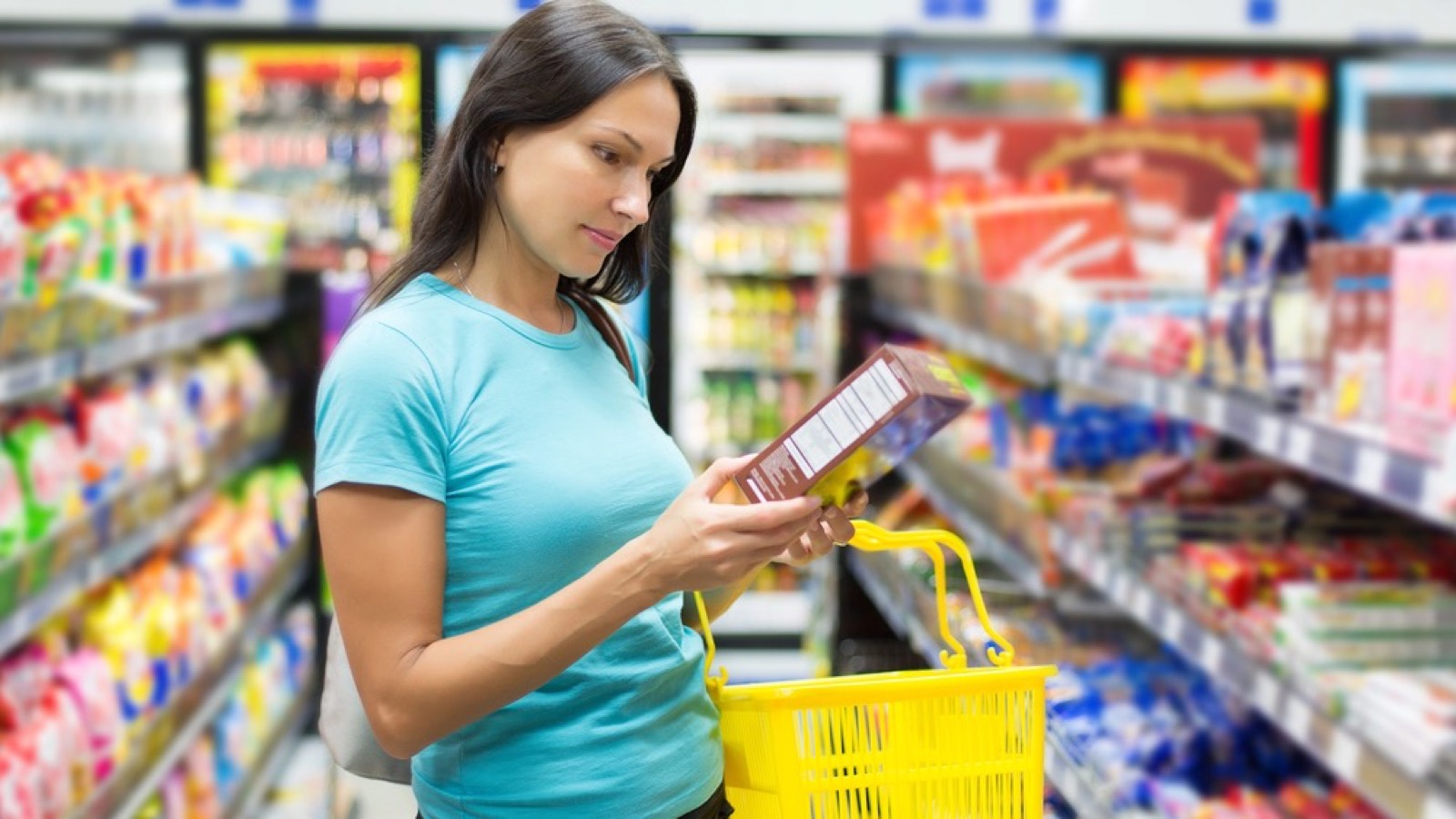
Reading the ingredient list and nutrition facts panel gives a clearer picture of what you’re buying. Front-of-package labels are designed to attract attention, but they don’t tell the whole story. Comparing products can help you make better choices.
Food companies are also changing ingredients, as when Kellogg moved to remove artificial dyes from its cereals. Many foods seem healthy but aren’t, so checking labels is always worth it. Which food label claim do you trust the least?